ब्लॉग
बदलत असलेला भारतीय कायदा — निकाल, नियम, आणि त्यांचा तुमच्यासाठी खरा अर्थ.

Insurance Is a Contract of Indemnification Unveiling the Supreme Court’s Groundbreaking Bridge Collapse Ruling
The Supreme Court has reaffirmed that insurance is a contract of indemnity, not profit.Compensation must strictly reflect actual financial loss.Policy terms govern liability and cannot be rewritten in equity.Insurance restores the insured it does not create windfalls.

Possession Is Key: Supreme Court Clarifies Hindu Succession Rights Under Section 14(1)
Overview The Supreme Court of India has reaffirmed a critical principle under Section 14(1) of the Hindu Succession Act, 1956 where a Hindu female is in possession of property, her limited right enlarges into absolute ownership.The Court clarified that possession is the determining factor. If property is possessed by a female Hindu under any pre-existing […]
2 मिनिटांचे वाचन →
Restoring Justice Through Restitution
The Supreme Court has reaffirmed that restitution is a mandatory judicial duty when a decree is reversed.No party can retain benefits obtained from an erroneous order.Courts must restore parties to the position they would have occupied but for the mistake.Justice demands undoing unjust enrichment not merely correcting the record.
2 मिनिटांचे वाचन →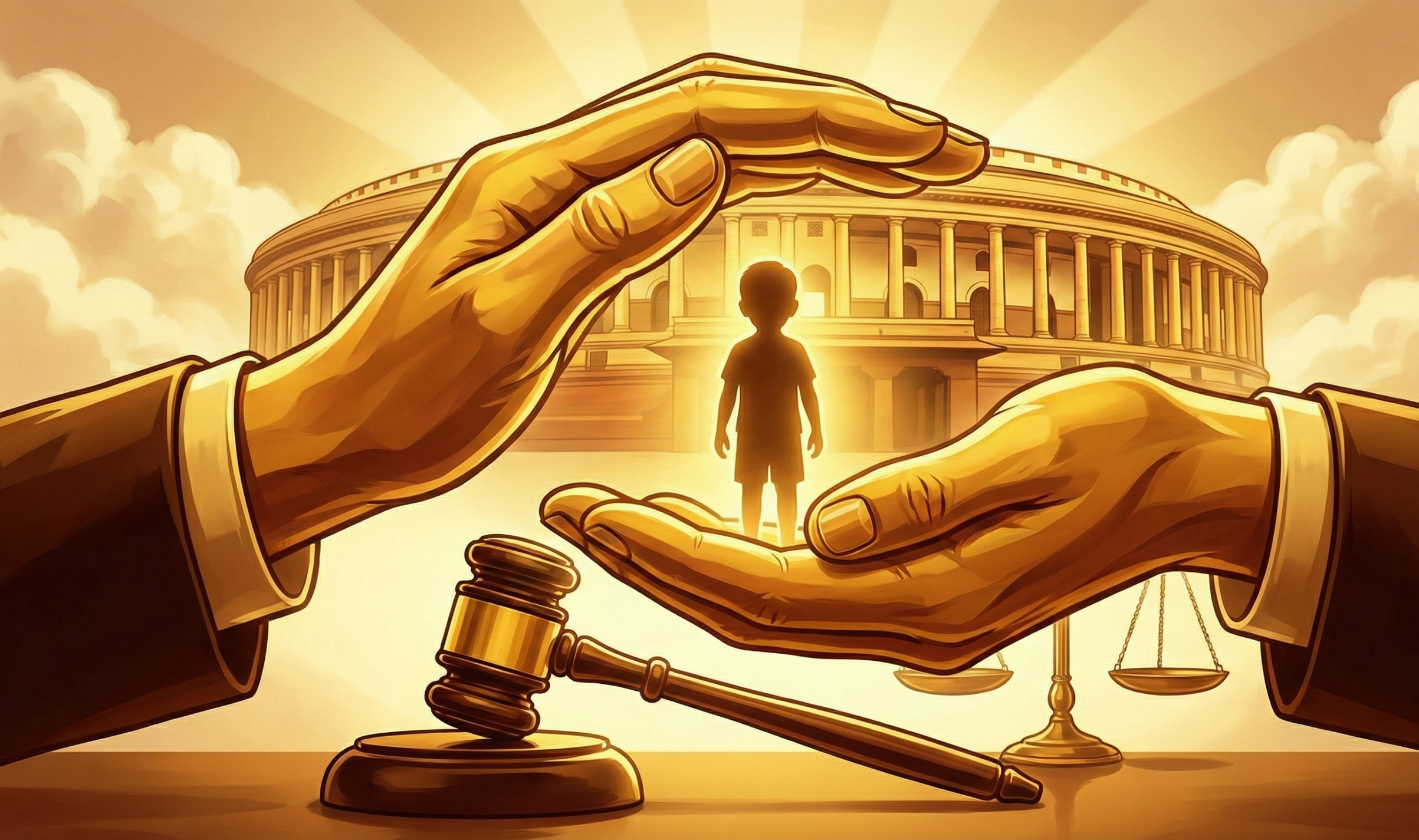
Welfare of the Minor Children is the Paramount Consideration
Welfare of the child overrides parental rights.Custody is determined by best interests, not entitlement.Emotional and psychological well-being are central.Courts adopt a child-centric, not parent-centric, approach.
2 मिनिटांचे वाचन →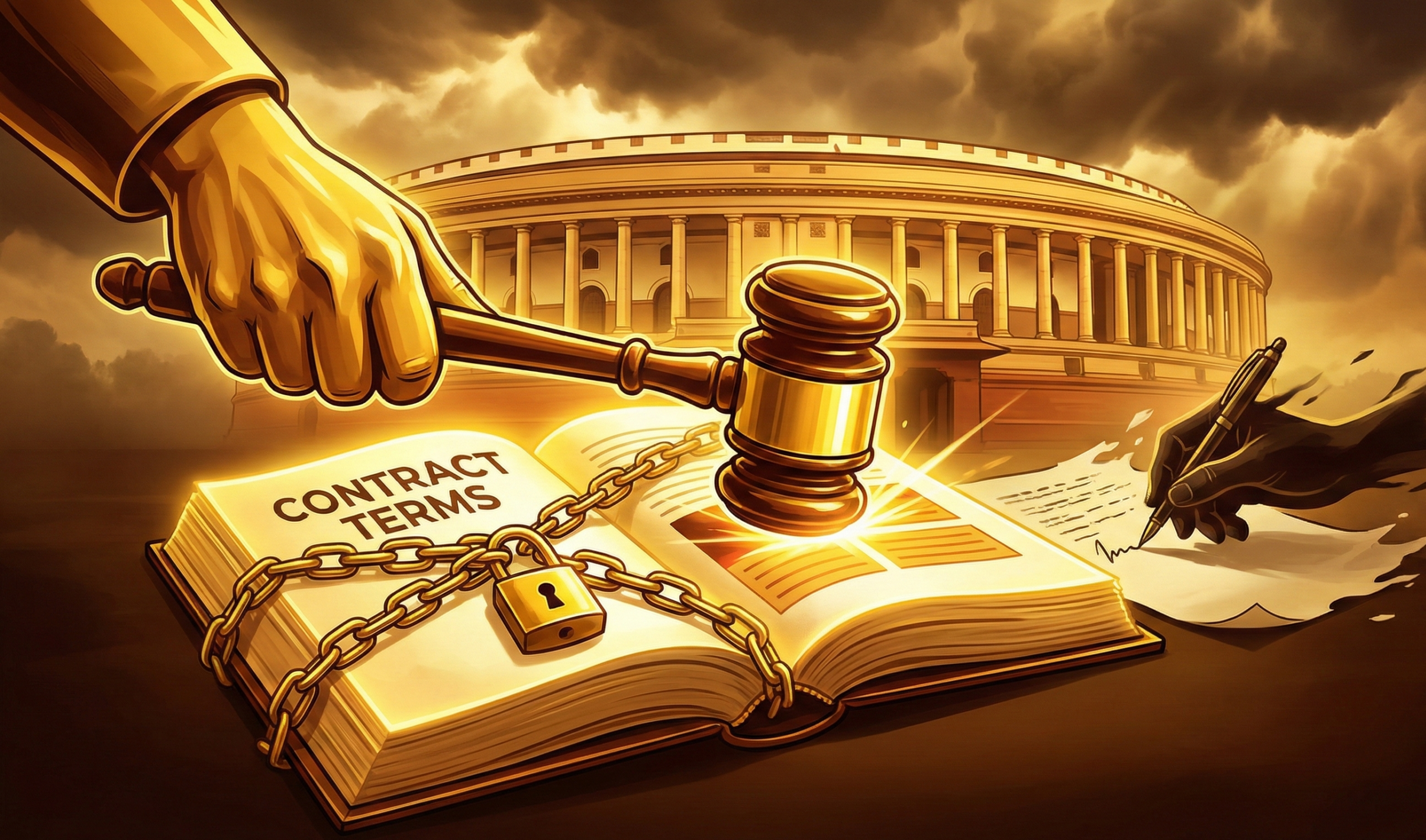
Arbitral Tribunal Must Decide in Accordance with Contract Terms
Arbitral tribunals must decide strictly as per contract terms.Equity cannot override express contractual provisions.Awards contrary to contract amount to jurisdictional error.Tribunals interpret agreements they cannot rewrite them.
1 मिनिटांचे वाचन →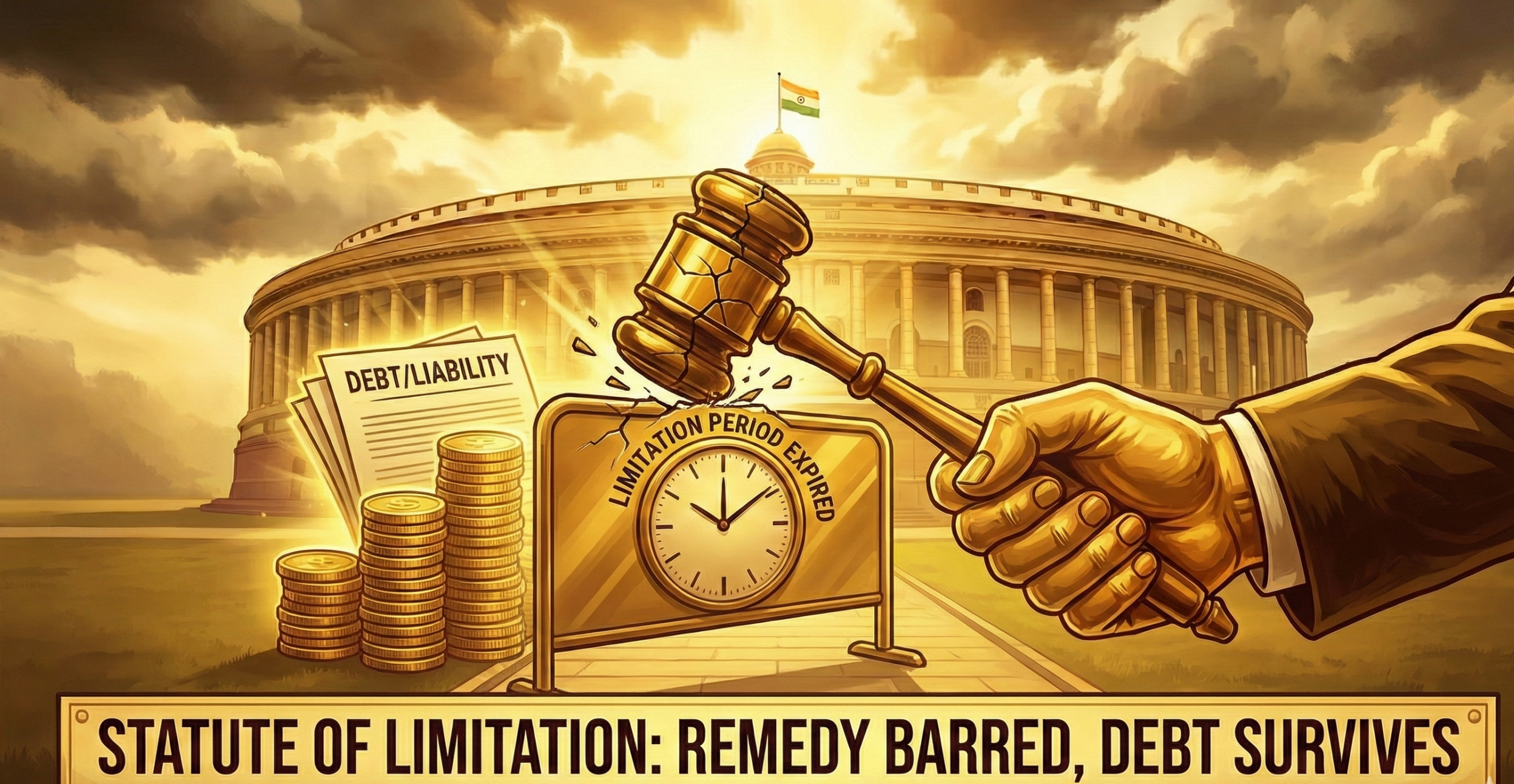
The Statute of Limitation Only Bars the Remedy and Does Not Extinguish the Debt
The Supreme Court clarifies that limitation bars the remedy, not the debt.A time-barred claim does not extinguish the underlying obligation.Expiry of limitation prevents suit it does not erase liability.Only express statutory extinguishment can destroy the right itself.
1 मिनिटांचे वाचन →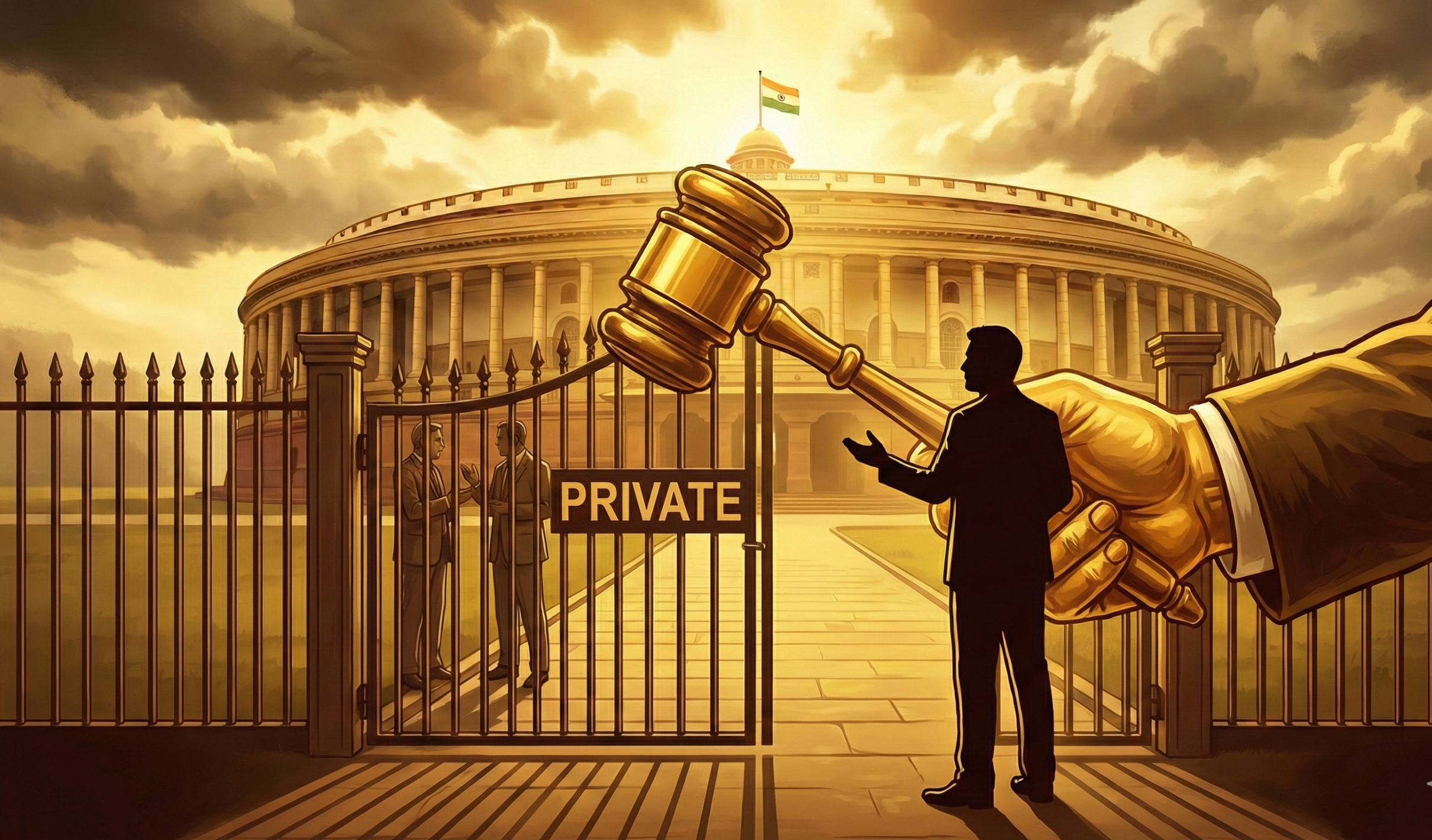
Entertaining an Application Filed by a Stranger is Totally Unsustainable in Law
The Supreme Court reinforces strict locus standi in civil proceedings.Strangers to litigation cannot file applications in private disputes.Procedural discipline cannot be diluted on equitable grounds.Courts are not open forums for indirect or proxy intervention.
1 मिनिटांचे वाचन →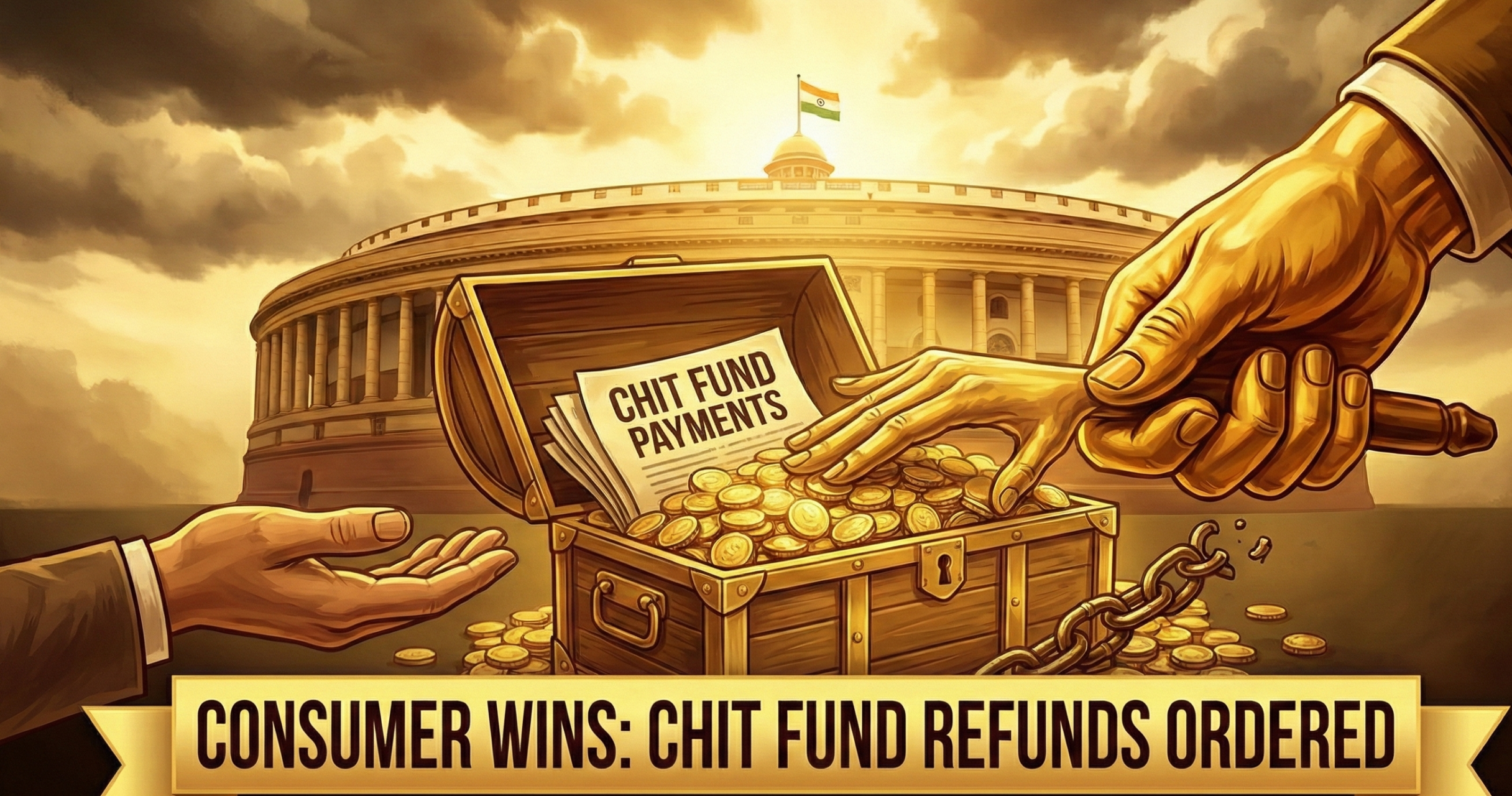
Consumer Wins in Supreme Court: Chit Fund Payments Must Be Refunded
The Supreme Court has ruled that chit fund companies must refund consumer payments if promised benefits are not delivered.The burden of proof lies on the service provider not the consumer. Contractual clauses cannot override statutory consumer protection.Failure to refund amounts constitutes deficiency in service under consumer law.
2 मिनिटांचे वाचन →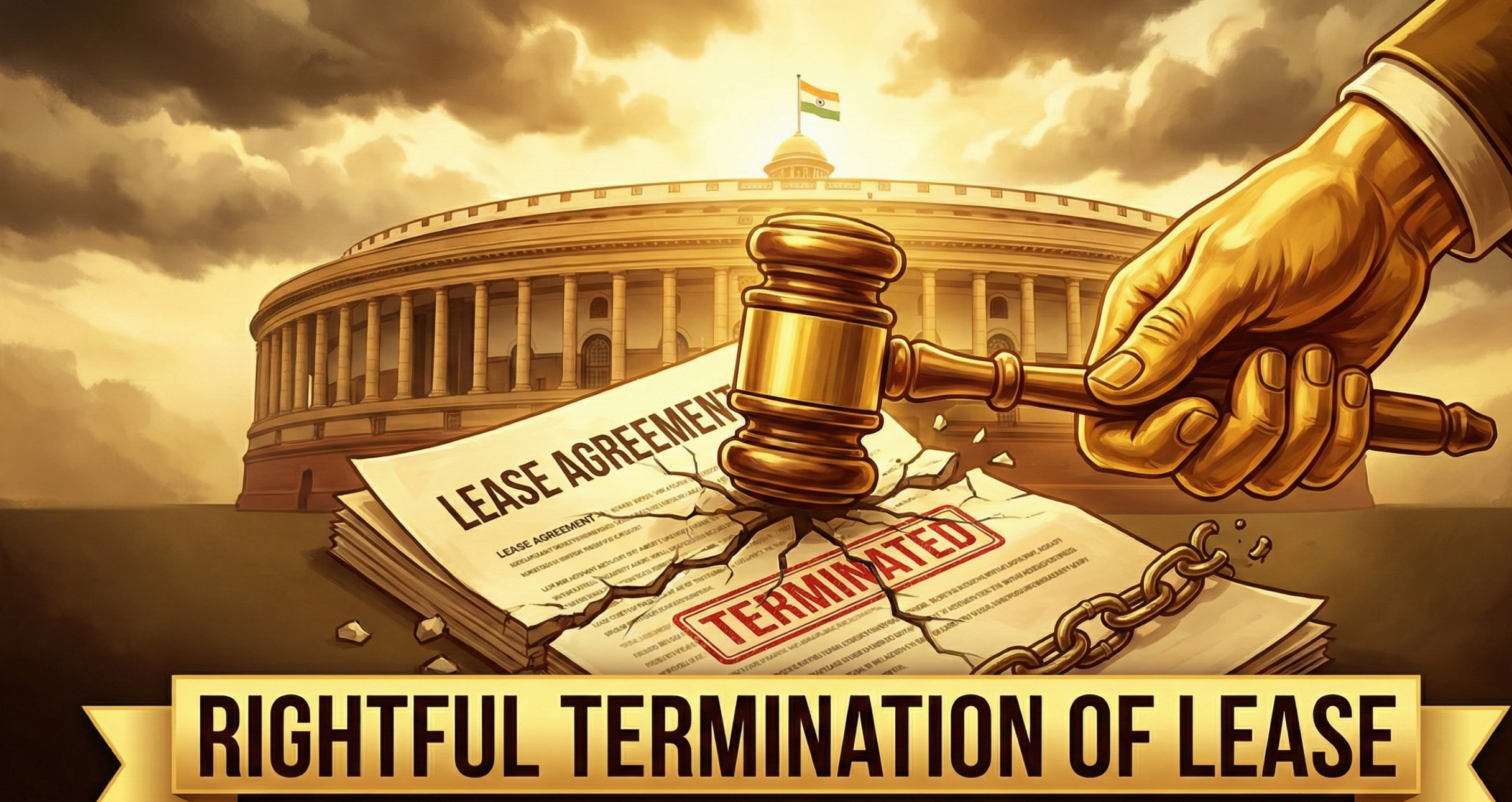
Rightful Termination of Lease Agreements
he Supreme Court has ruled that blatant violations of lease terms justify termination. Leasehold rights are conditional upon compliance with contractual obligations. Courts will not grant equitable relief to willful defaulters. The judgment strengthens certainty and discipline in lease law.
1 मिनिटांचे वाचन →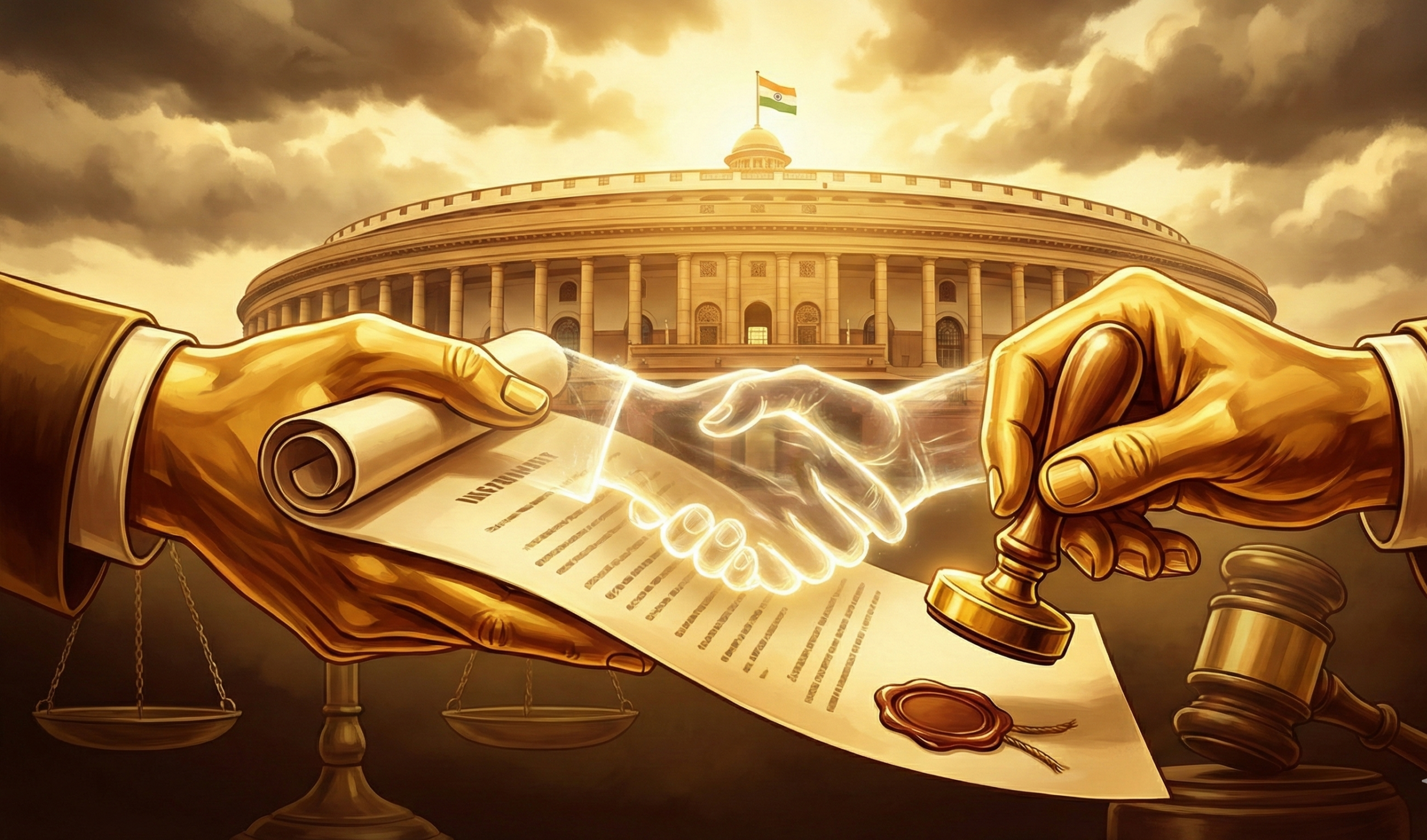
Acceptance of Insurance Proposals and Formation of Contract
The Supreme Court has ruled that an insurance contract is formed only upon clear and communicated acceptance by the insurer. Mere submission of a proposal or payment of premium does not create liability. Acceptance must be explicit and conveyed before risk commences. The judgment reinforces foundational principles of contract law in insurance matters.
2 मिनिटांचे वाचन →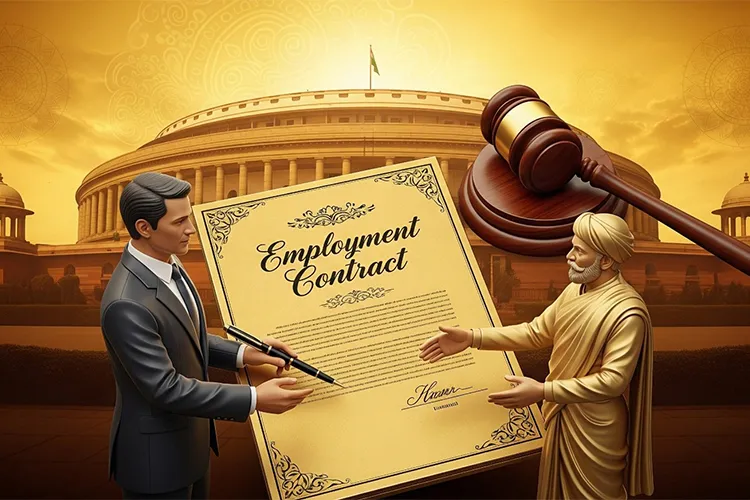
Legality and Enforcibilty of employment contracts in India
The Supreme Court of India recently reinforced the enforceability of exclusive jurisdiction clauses in employment contracts, even in the context of remote work. This ruling clarifies a critical aspect of dispute resolution for both employers and employees.
2 मिनिटांचे वाचन →
Your Right to Say ‘Yes’ or ‘No’: The Law on Medical Decisions in India
Informed consent is a cornerstone of medical ethics and law in India, safeguarding patient autonomy and ensuring transparency in healthcare decisions. Courts consistently emphasize that valid consent requires comprehensive disclosure of information, patient understanding, and voluntariness, making it crucial in cases of medical negligence.
3 मिनिटांचे वाचन →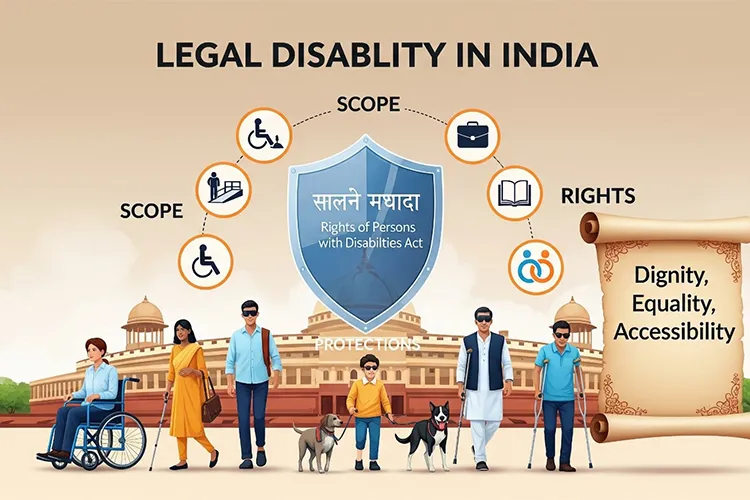
The Law on Disability in India: What You Need to Know
In India, ‘legal disability’ refers to conditions like minority and unsoundness of mind that impact a person’s legal capacity to contract or initiate legal action. While the law provides protections via the Limitation Act, the Rights of Persons with Disabilities (RPwD) Act, 2016, has significantly expanded the legal framework to promote autonomy and non-discrimination for individuals with disabilities.
4 मिनिटांचे वाचन →
The 2021 Surrogacy Act: Navigating the Path to Parenthood
India’s Surrogacy (Regulation) Act, 2021, and its recent amendments continue to shape the landscape of assisted reproduction, primarily allowing altruistic surrogacy for eligible Indian heterosexual married couples. While recent changes permit donor gametes, ongoing legal challenges question the Act’s restrictive nature and its impact on diverse family structures.
3 मिनिटांचे वाचन →
The 2017 Mental Healthcare Act: What It Means for You
India’s Mental Healthcare Act, 2017, marks a significant shift to a rights-based framework, decriminalizing suicide and mandating equal healthcare access. While a 2023 amendment addresses student mental health, ongoing challenges persist in full implementation and tackling the societal stigma around mental illness.
3 मिनिटांचे वाचन →
Orissa High Court: Educated Wives Cannot Demand Maintenance If They Choose Not to Work
In a significant ruling, the Orissa High Court has reiterated that educated and capable wives cannot simply choose to remain unemployed and solely rely on their husbands for maintenance. The judgment emphasizes that maintenance laws are meant to support those genuinely unable to support themselves, not to encourage idleness.
3 मिनिटांचे वाचन →
Health as a Right: India’s New Legal View
While not explicitly stated, the ‘Right to Health’ has been consistently interpreted by the Supreme Court of India as an integral part of the fundamental Right to Life under Article 21 of the Constitution. This judicial activism mandates the State’s obligation to ensure accessible, affordable, and quality healthcare for all citizens.
3 मिनिटांचे वाचन →
A Peaceful End: The Law on End-of-Life Decisions in India
India continues to grapple with the complex legal and ethical questions surrounding assisted dying, particularly its intersection with the constitutional right to privacy and a dignified death. While passive euthanasia is permitted under strict guidelines, active euthanasia remains illegal, with ongoing debates on individual autonomy in end-of-life choices.
3 मिनिटांचे वाचन →
Supreme Court Backs Employment Bonds: What It Means for You
The Supreme Court’s recent ruling (Vijaya Bank & Anr. v. Prashant B. Narnaware, May 14, 2025) has affirmed the validity of employment bonds requiring liquidated damages for premature resignation, citing organizational costs and efficiency. While providing a significant boost to employers, its full applicability to private companies remains a key question.
3 मिनिटांचे वाचन →
A Big Change for Arbitration in India: The Supreme Court’s Decision
The Supreme Court, in a recent 4:1 majority judgment (Gayatri Balasamy v ISG Novasoft Technologies Limited), has clarified that courts have only limited power to modify arbitral awards under Sections 34 and 37 of the Arbitration and Conciliation Act, 1996, aiming to balance judicial oversight with arbitration’s finality.
3 मिनिटांचे वाचन →