ब्लॉग
बदलता हुआ भारतीय कानून — फ़ैसले, नियम, और आपके लिए उनका असल मतलब।

How Government Policies Are Implemented
Government policies achieve real impact only when they are effectively implemented. Implementation transforms policy goals into programs, services, and actions that directly benefit citizens.
What is Public Policy?
Public policy is the roadmap governments use to solve public problems and improve citizens’ lives. It guides decision-making in areas such as education, healthcare, employment, environment, and public welfare.
1 मिनट का पाठ →
What is a Joint Sitting?
A Joint Sitting is a special constitutional mechanism used to resolve disagreements between the Lok Sabha and Rajya Sabha over an Ordinary Bill. It helps prevent legislative deadlocks and allows Parliament to complete the law-making process.
2 मिनट का पाठ →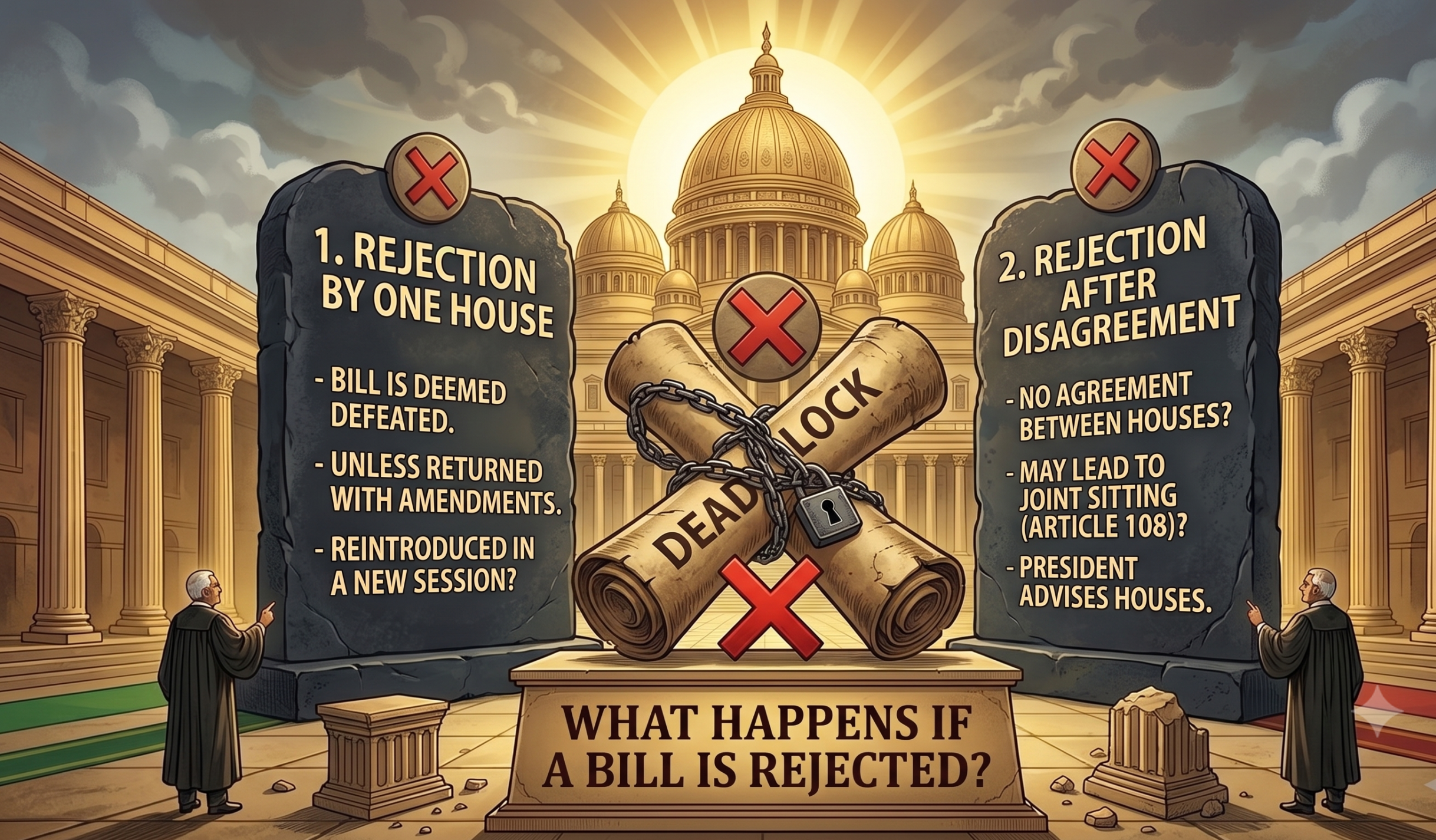
What Happens if a Bill is Rejected?
Not every bill introduced in Parliament becomes law. If a bill is rejected during the legislative process, it may fail completely or trigger special constitutional procedures depending on the type of bill involved.
2 मिनट का पाठ →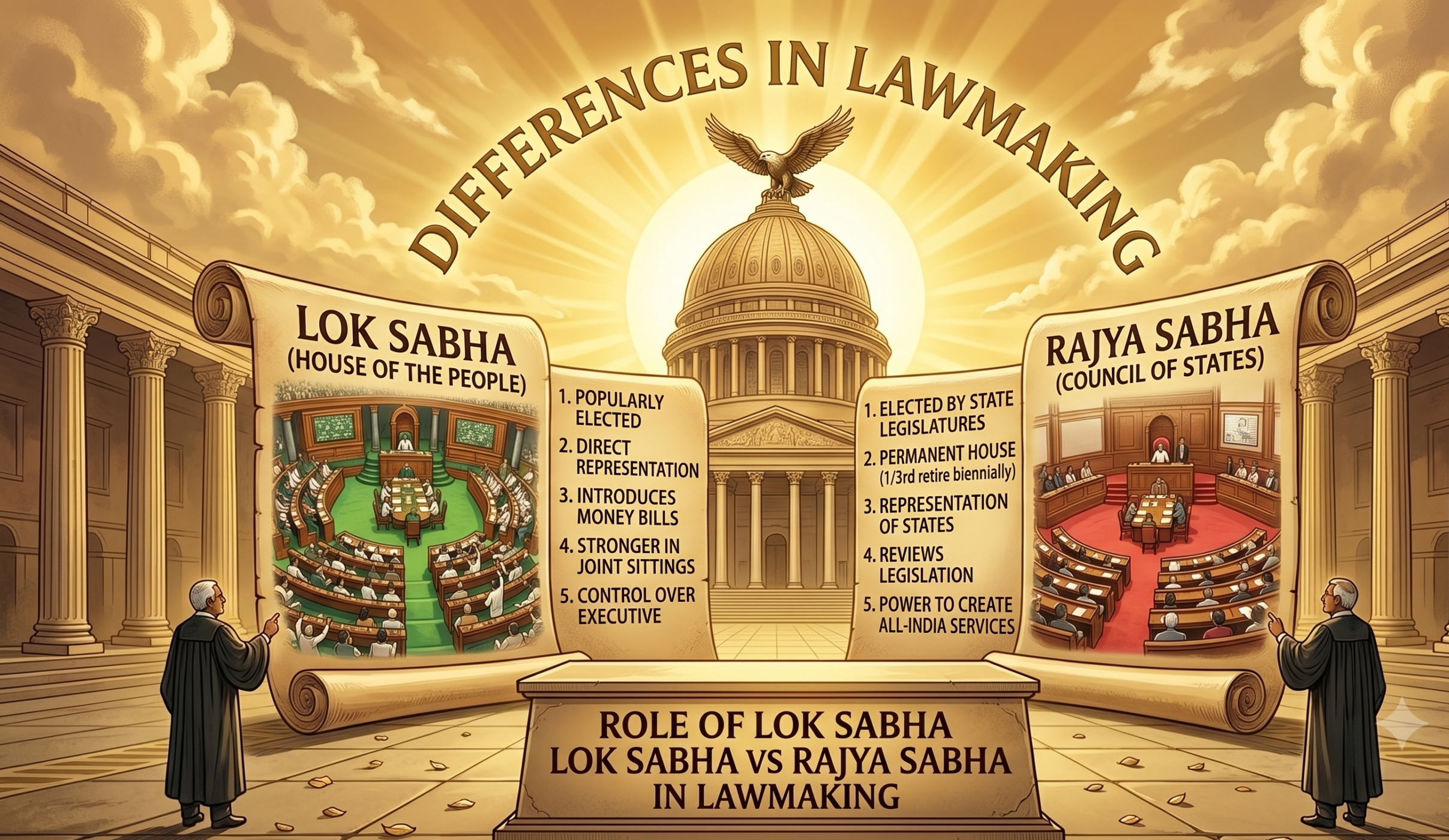
Role of Lok Sabha vs Rajya Sabha in Lawmaking
Lok Sabha and Rajya Sabha are the two Houses of Parliament that work together to make laws in India. Their bicameral structure ensures representation of both the people and the states while providing multiple levels of legislative scrutiny.
2 मिनट का पाठ →
Types of Bills in India (Money Bill, Ordinary Bill, and Others)
Bills are proposals for new laws or amendments to existing laws. The Indian Constitution recognizes different types of bills, each following a specific legislative procedure based on its subject matter and importance.
2 मिनट का पाठ →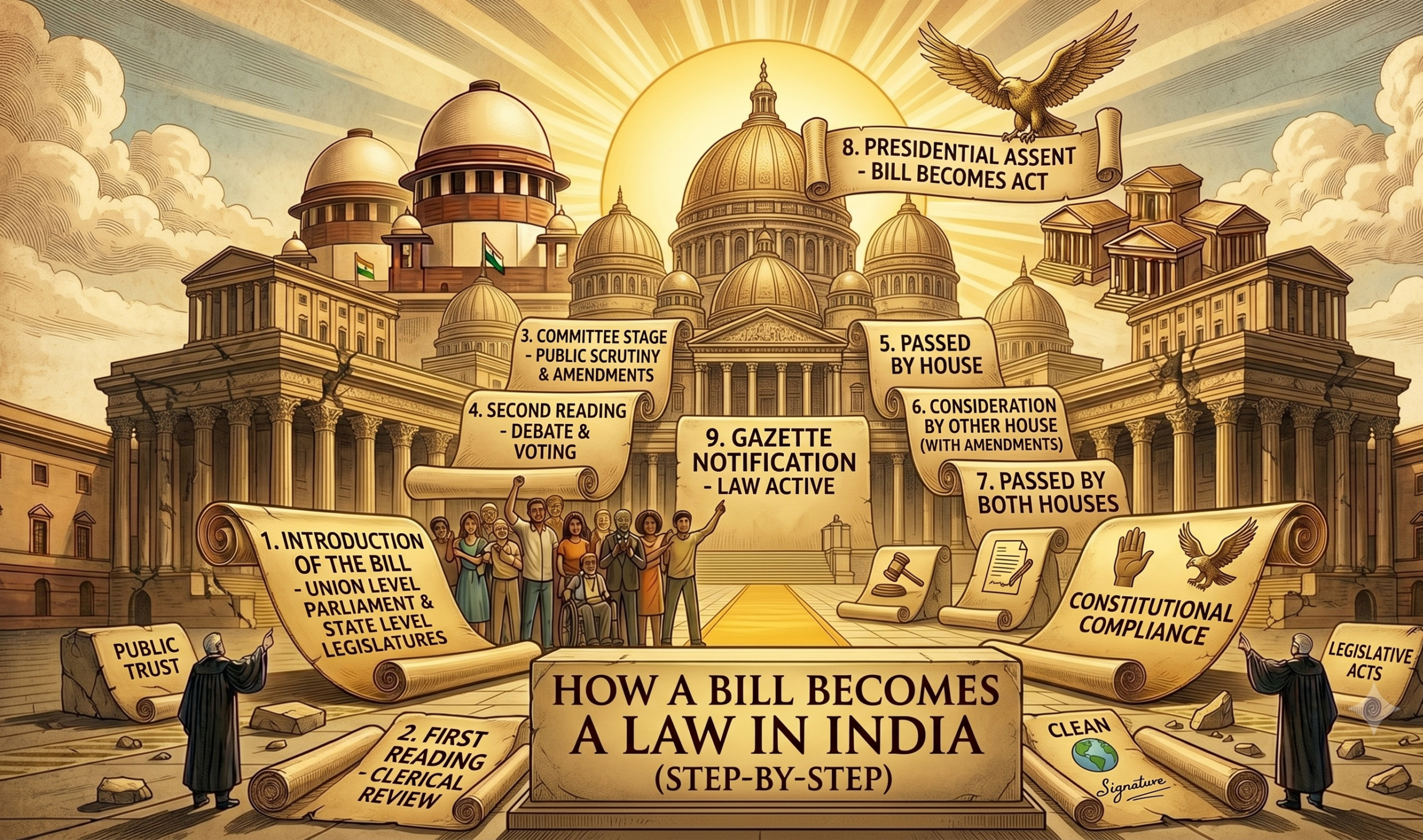
How a Bill Becomes a Law in India (Step-by-Step)
A bill is a proposal for a new law or a change to an existing law. Before becoming a law, it must pass through several stages of scrutiny, debate, approval, and Presidential assent.
1 मिनट का पाठ →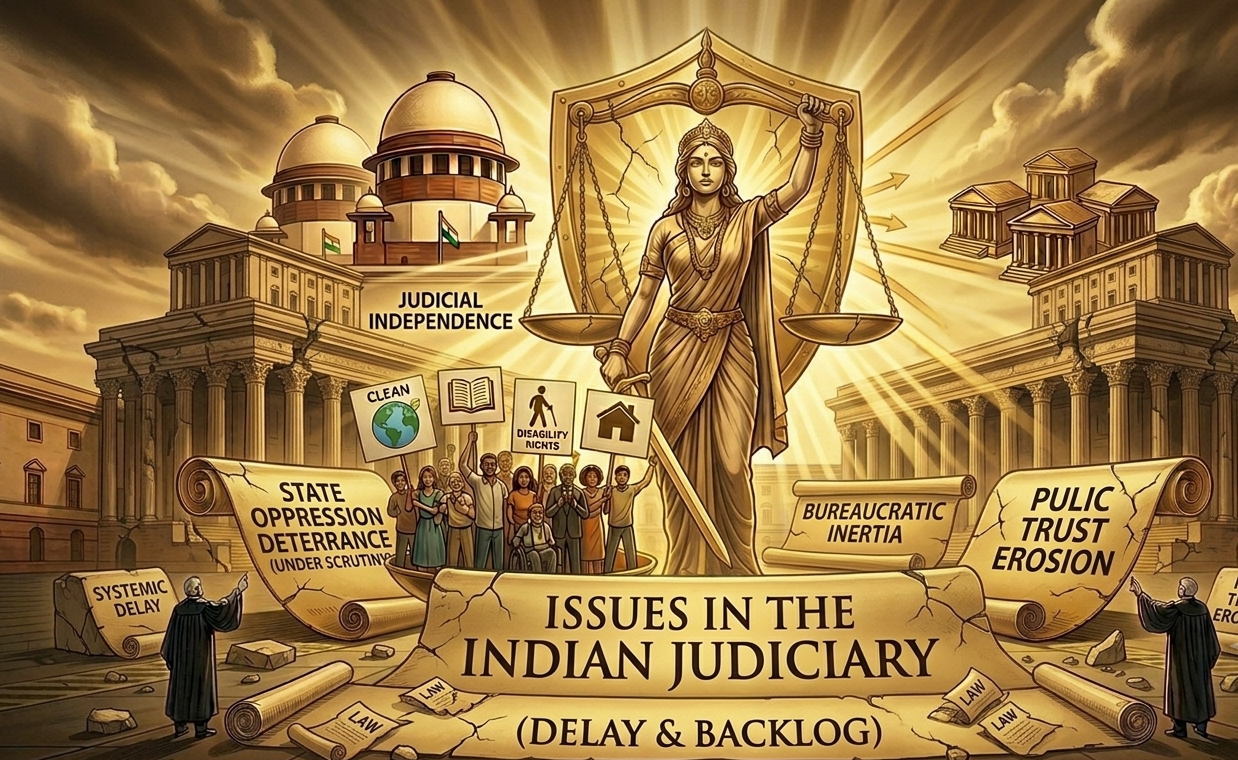
Issues in the Indian Judiciary (Delay and Backlog)
Judicial delays and case backlogs are among the most serious challenges facing India’s justice system. They affect access to justice, increase litigation costs, and reduce public confidence in the courts.
2 मिनट का पाठ →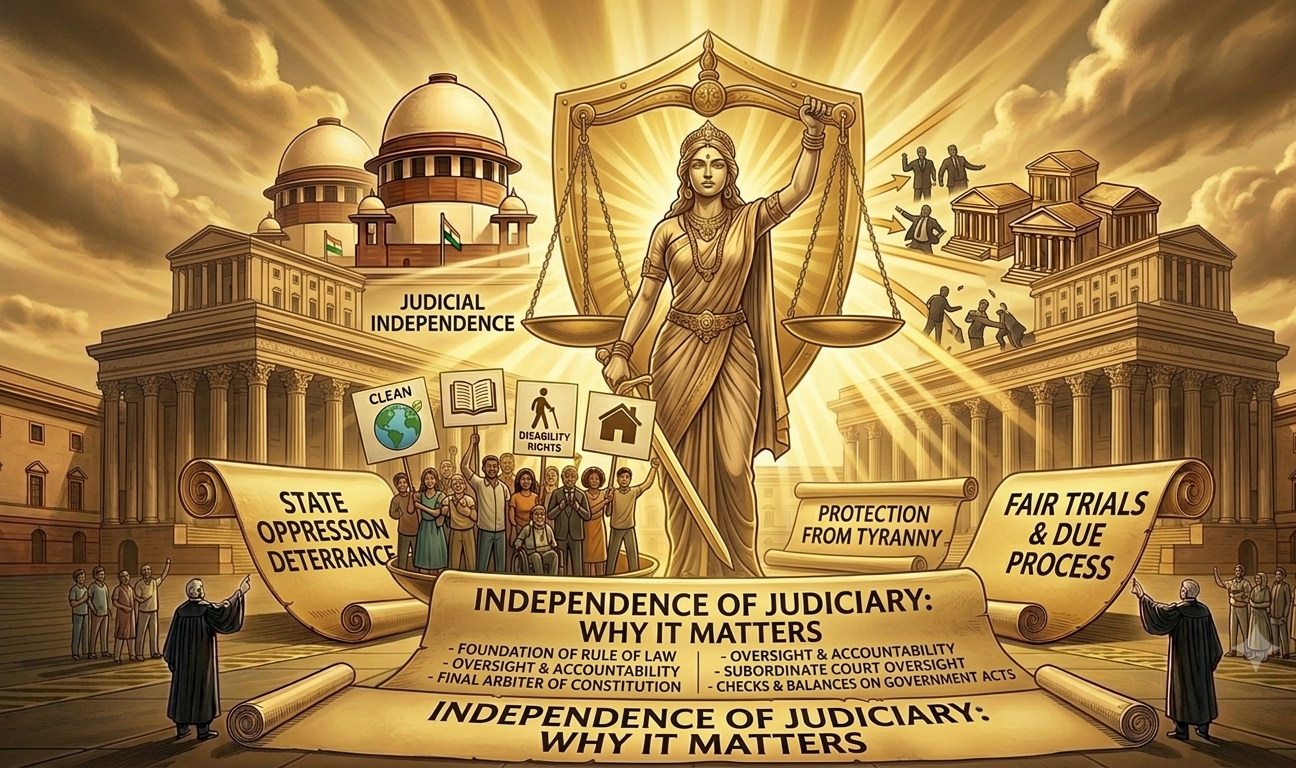
Independence of Judiciary: Why It Matters
Judicial independence ensures that judges can decide cases based solely on the Constitution and the law, free from political influence or external pressure. It is a fundamental pillar of democracy and the rule of law.
2 मिनट का पाठ →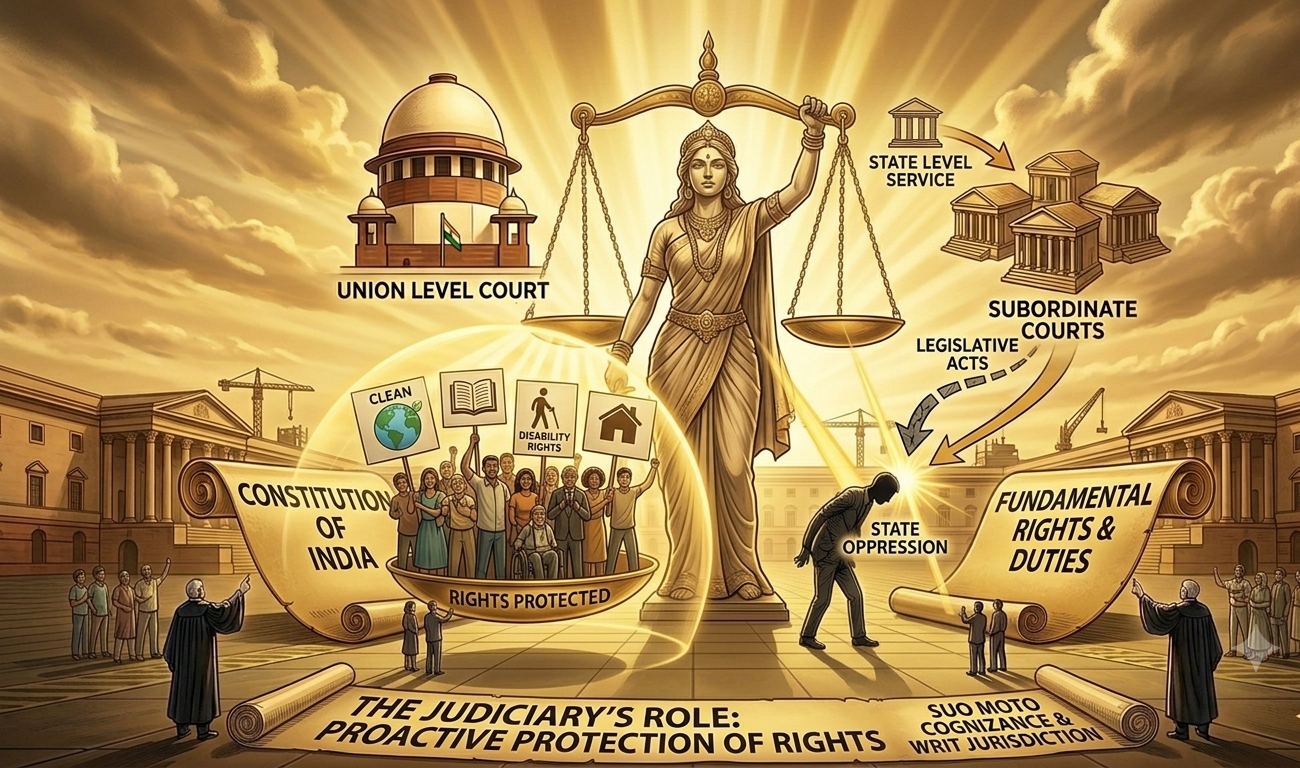
595
The judiciary acts as the guardian of citizens’ rights by ensuring that laws and government actions comply with the Constitution. Through judicial review and constitutional remedies, courts protect individual freedoms and uphold the rule of law.
2 मिनट का पाठ →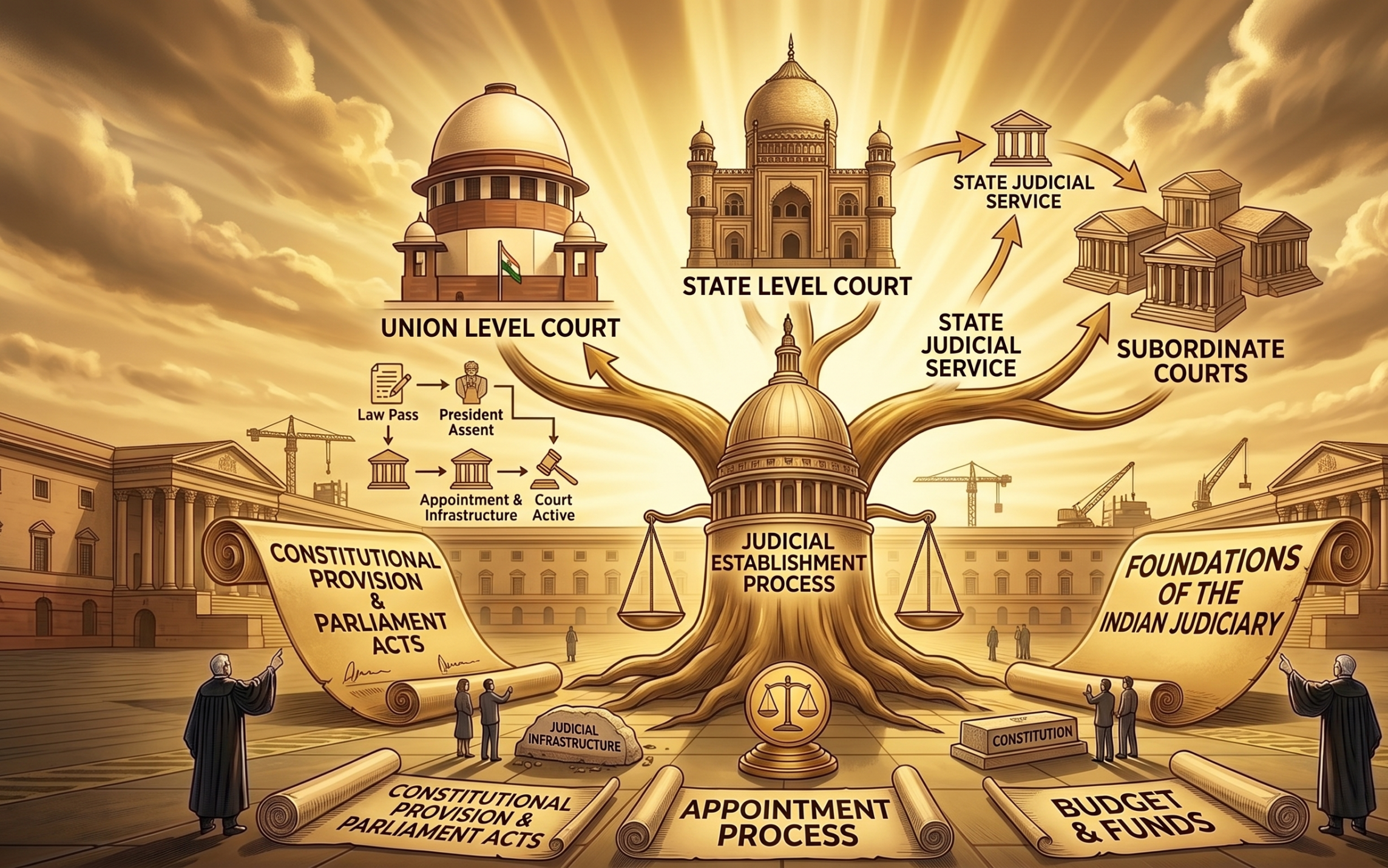
How Courts Are Established in India
Courts in India are established through constitutional provisions and legislation to ensure justice at national, state, and local levels. Their structured hierarchy helps protect rights, resolve disputes, and uphold the rule of law.
2 मिनट का पाठ →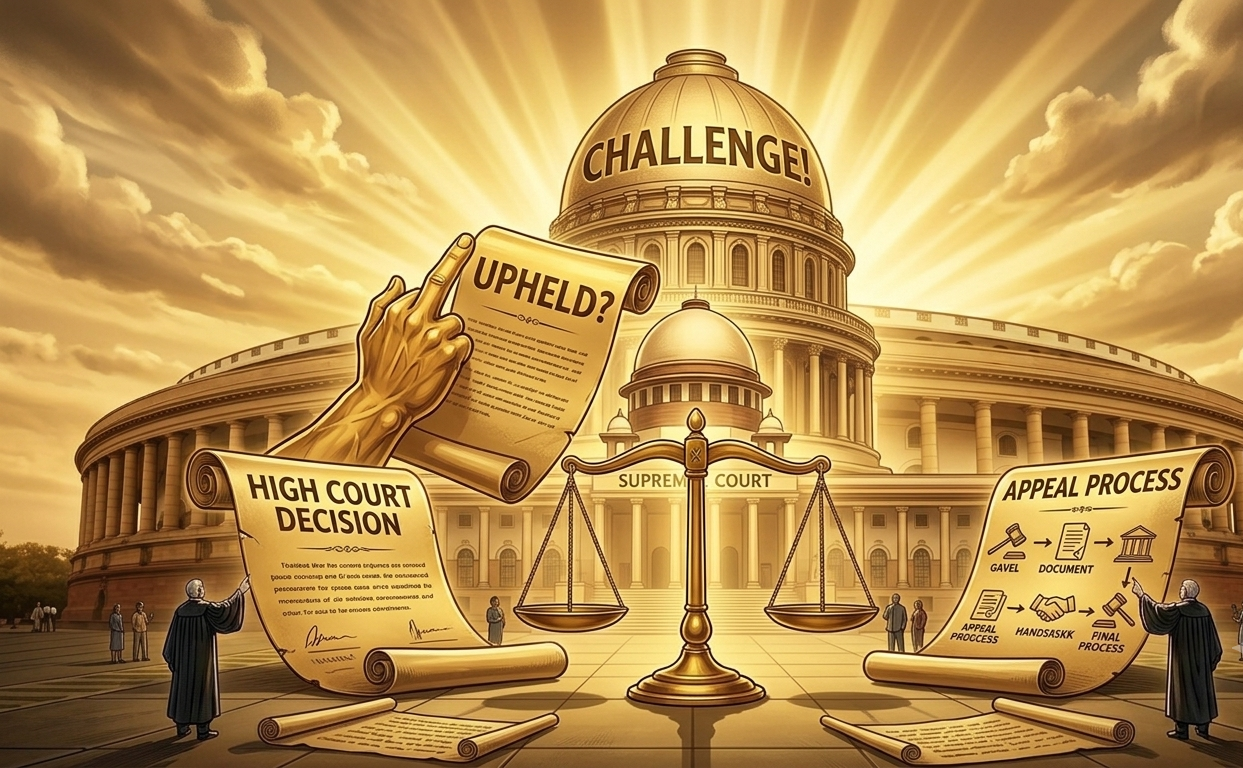
Can a High Court Decision Be Challenged?
A High Court decision can be challenged before the Supreme Court of India through various appellate mechanisms. This ensures judicial review, correction of legal errors, and uniform interpretation of laws across the country.
2 मिनट का पाठ →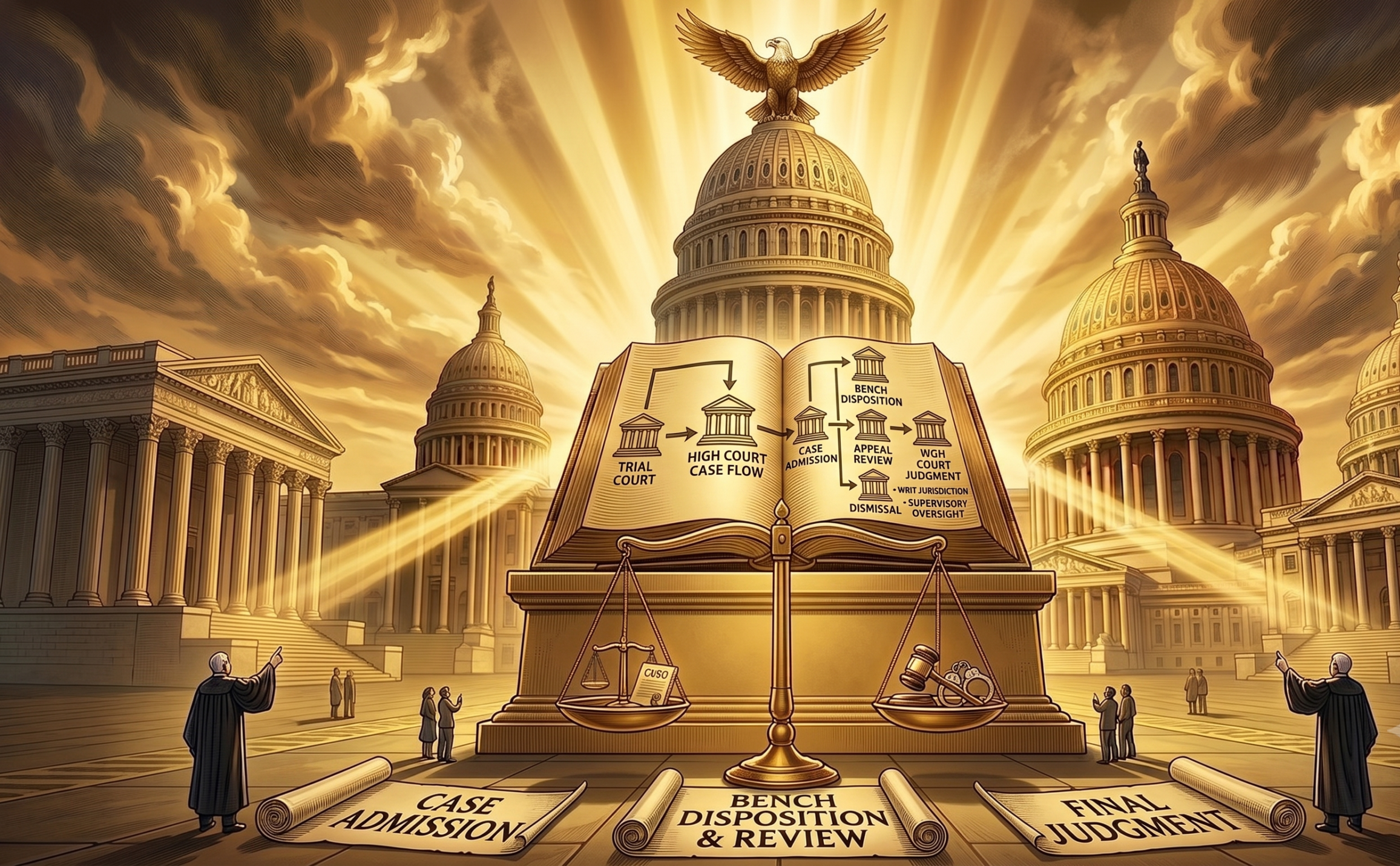
Difference Between High Court and Supreme Court
The High Court and Supreme Court are key pillars of India’s judicial system. While High Courts operate at the state level, the Supreme Court serves as the highest judicial authority in the country.
2 मिनट का पाठ →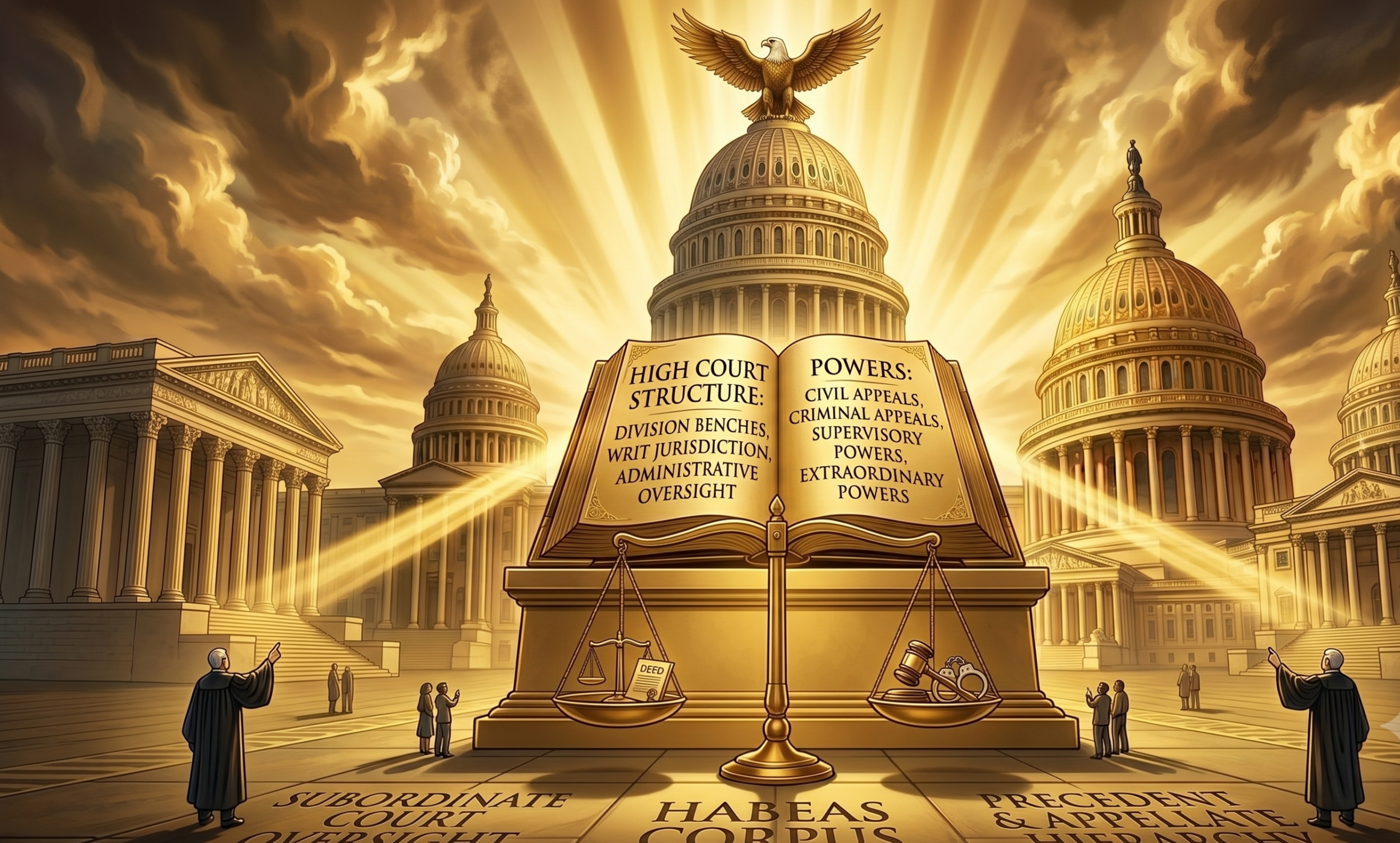
Structure and Powers of High Courts
High Courts are the highest courts at the state level in India. Their structure and constitutional powers enable them to protect rights, supervise lower courts, and ensure the proper administration of justice.
2 मिनट का पाठ →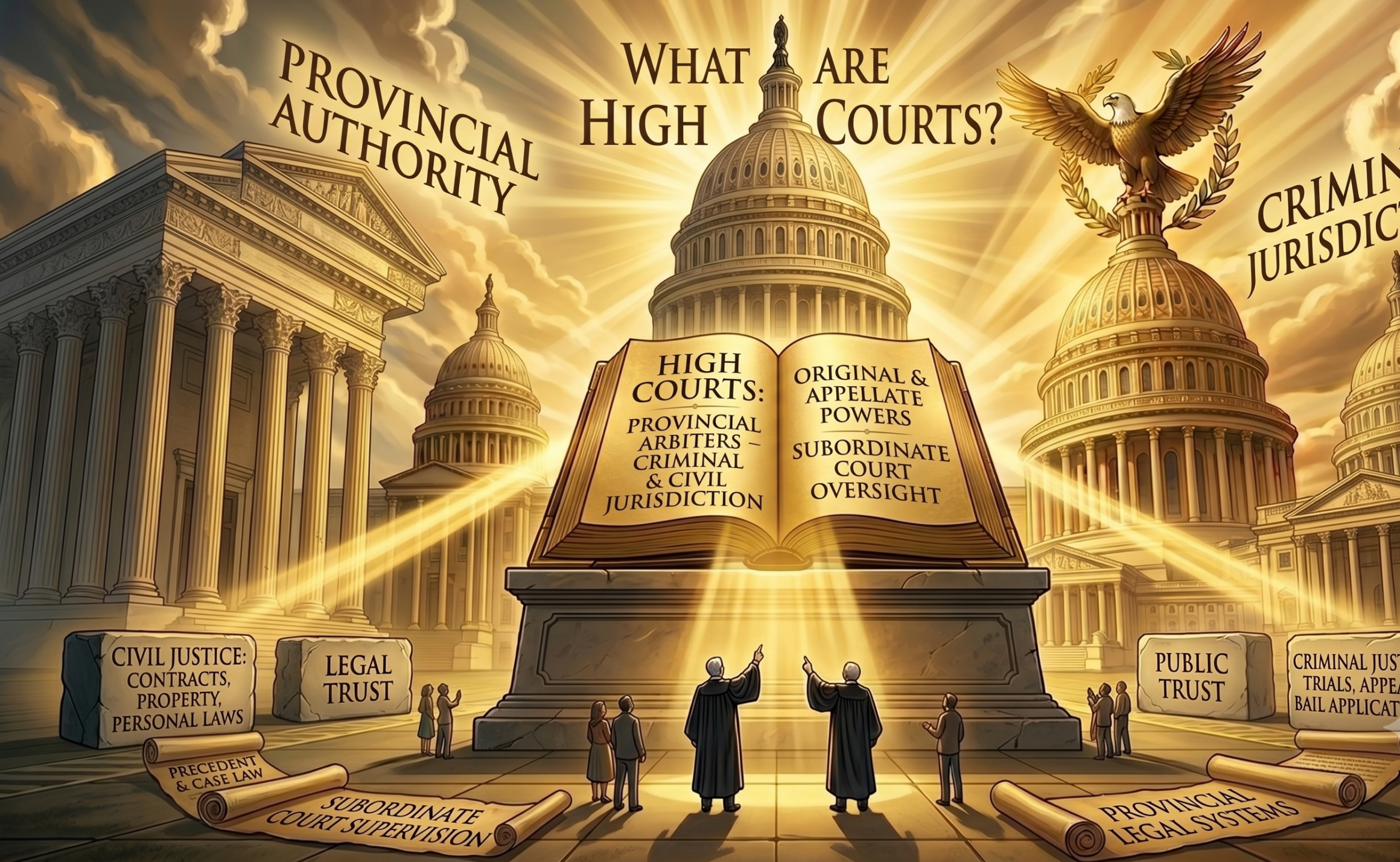
What are High Courts?
High Courts are the highest judicial authorities at the state level in India. They protect rights, supervise lower courts, and ensure that laws are applied fairly and constitutionally within their jurisdiction.
2 मिनट का पाठ →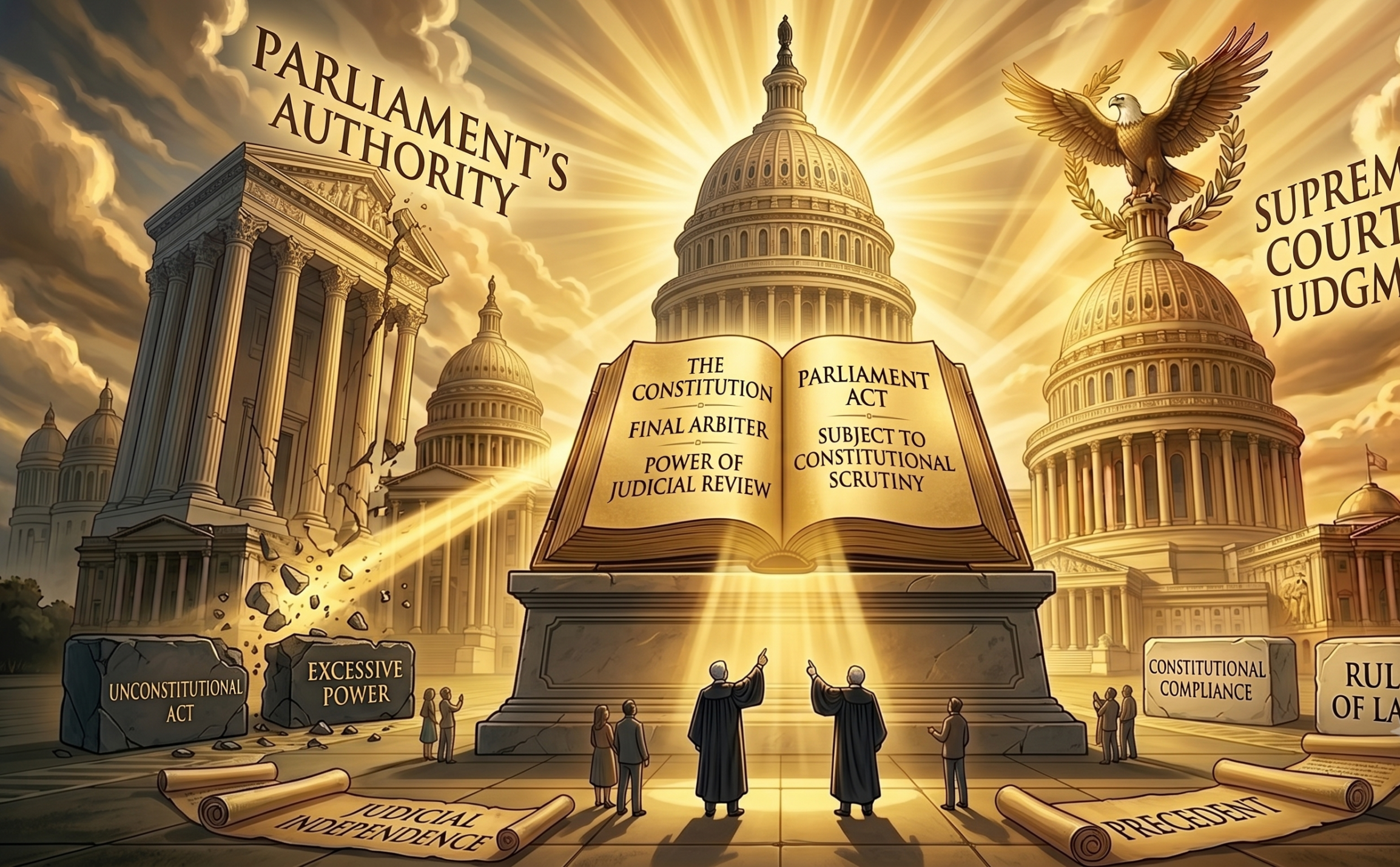
Can Supreme Court overrule Parliament?
The Supreme Court cannot replace Parliament or make laws on its behalf. However, it can review laws passed by Parliament and strike them down if they violate the Constitution.
2 मिनट का पाठ →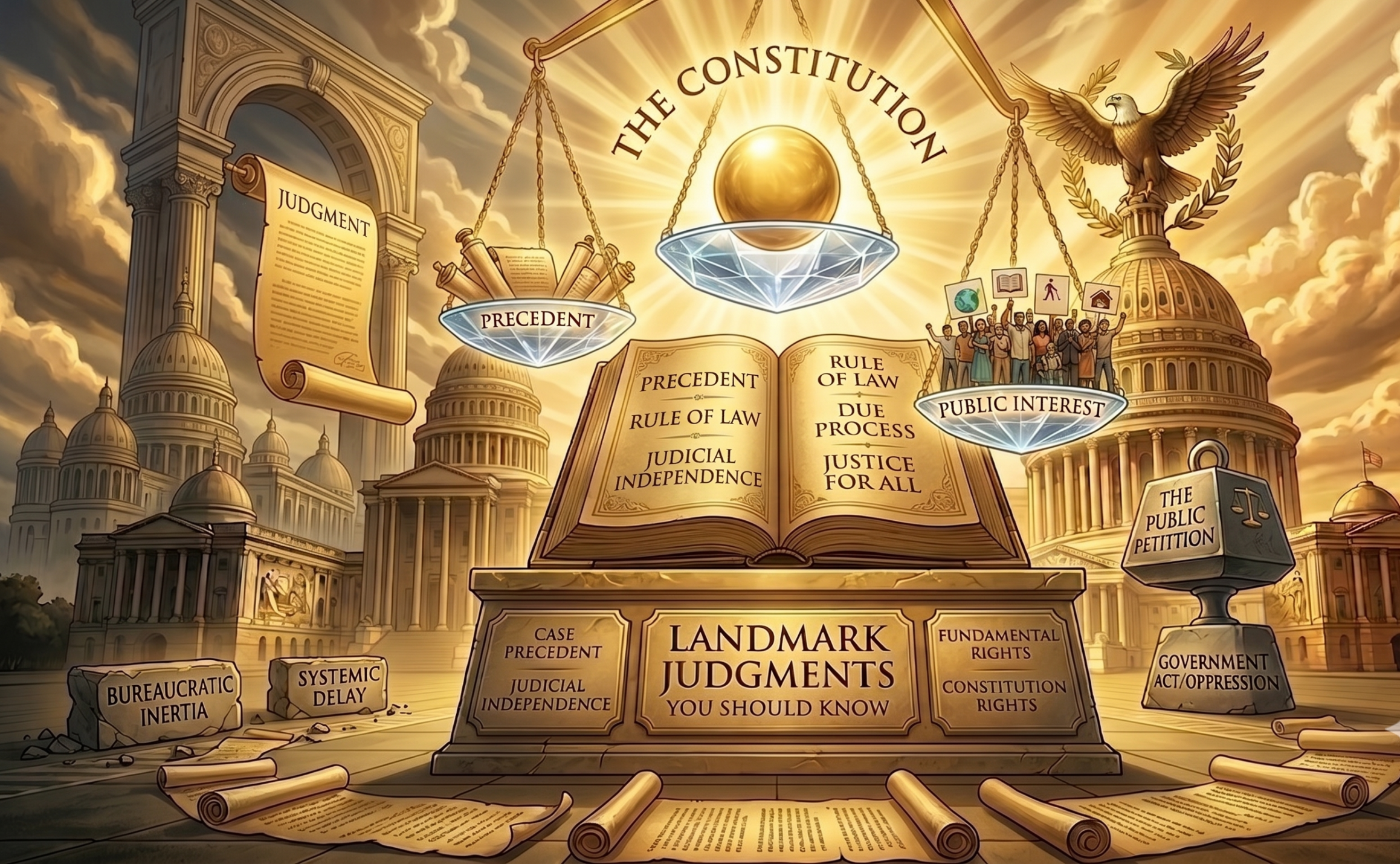
Landmark Judgements You Should Know
Landmark judgments are court decisions that shape constitutional interpretation, strengthen rights, and influence future legal developments. These cases form the foundation of modern Indian constitutional law.
2 मिनट का पाठ →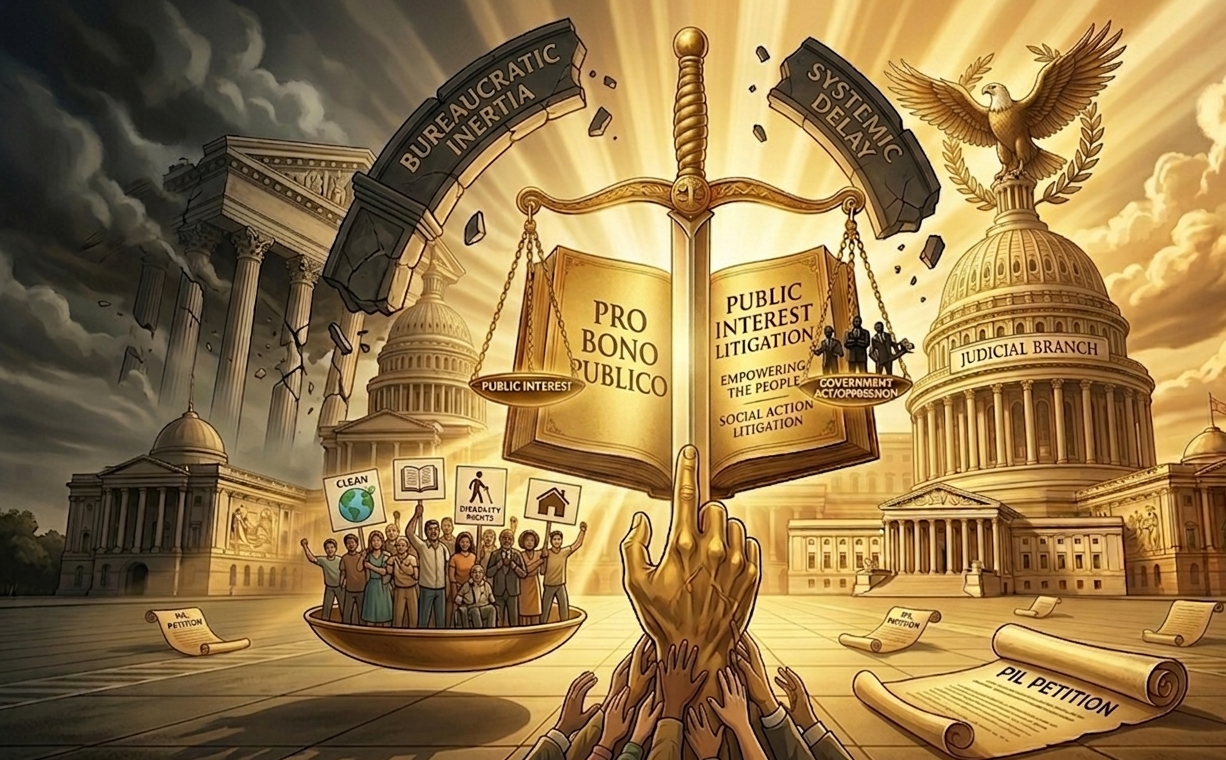
What is Public Interest Litigation (PIL)?
Public Interest Litigation (PIL) allows individuals and organizations to approach courts for matters affecting public welfare and constitutional rights. It has become a powerful tool for expanding access to justice and ensuring government accountability.
2 मिनट का पाठ →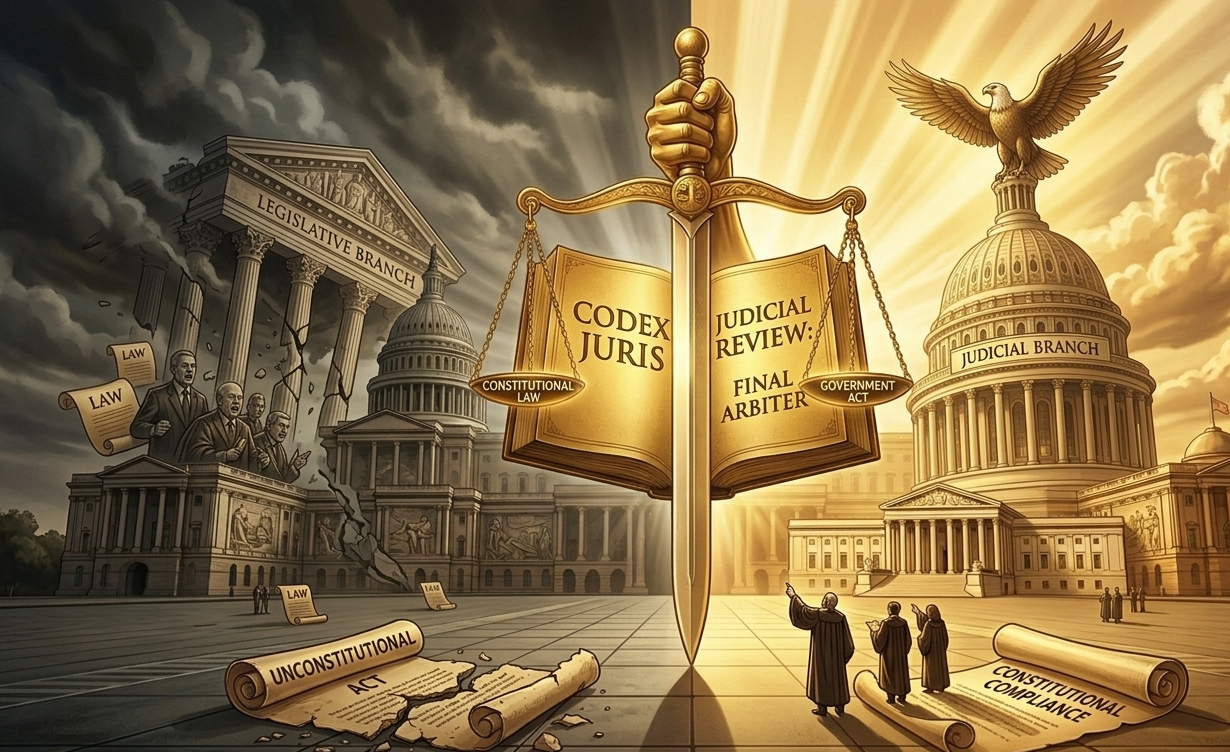
What is Judicial Review ?
Judicial Review is the constitutional power of courts to examine laws and government actions for compliance with the Constitution. It serves as a key safeguard against misuse of power and protects fundamental rights.
2 मिनट का पाठ →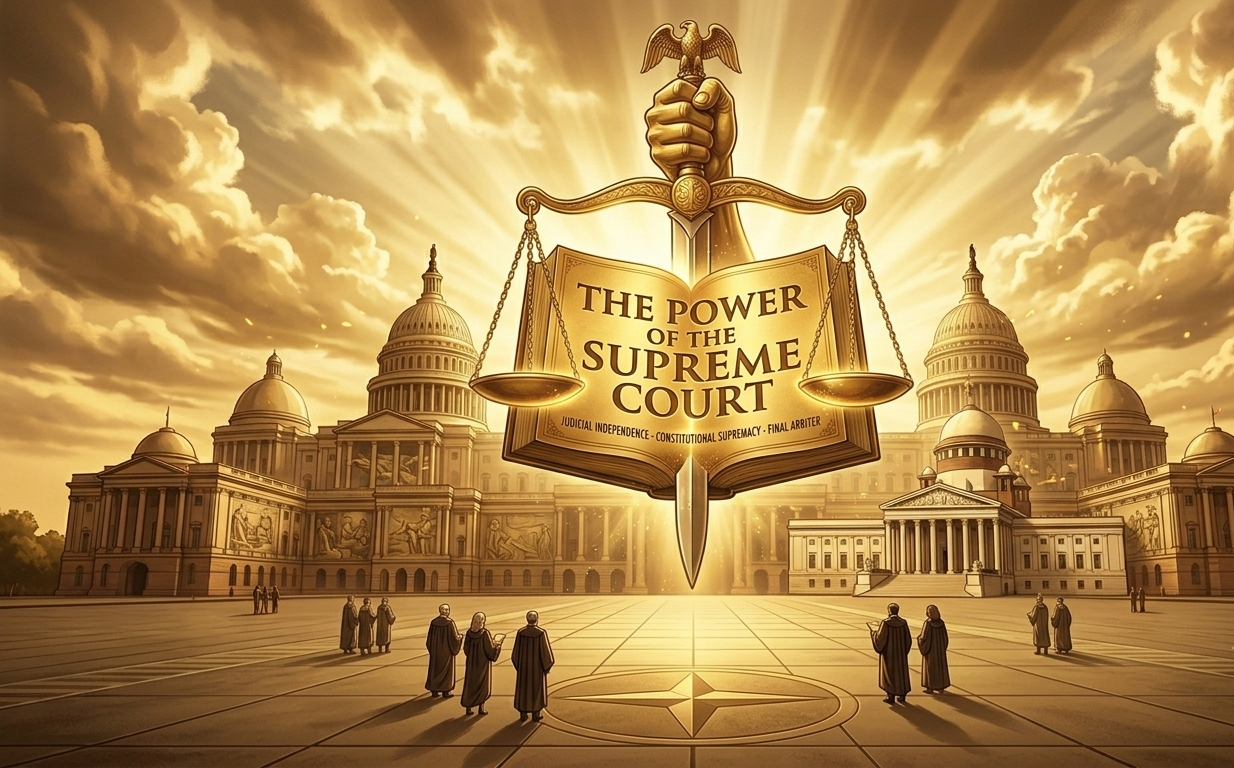
Powers of the Supreme Court
The Supreme Court of India possesses extensive constitutional powers that enable it to protect fundamental rights, interpret laws, review government actions, and maintain constitutional balance. These powers make it the guardian of the Constitution and the final authority in legal disputes.
2 मिनट का पाठ →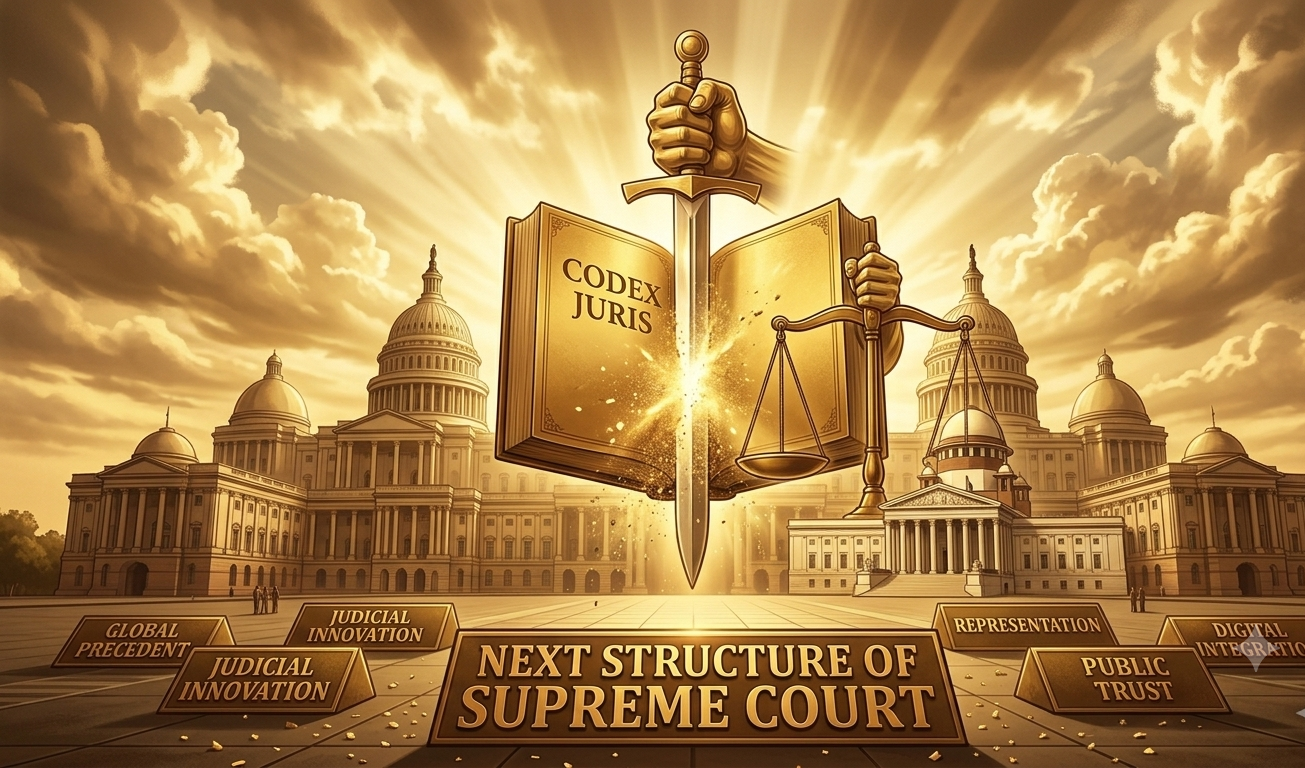
Structure of the Supreme Court
The Supreme Court of India is the highest judicial authority in the country. It protects the Constitution, safeguards fundamental rights, and serves as the final court of appeal for legal disputes.
2 मिनट का पाठ →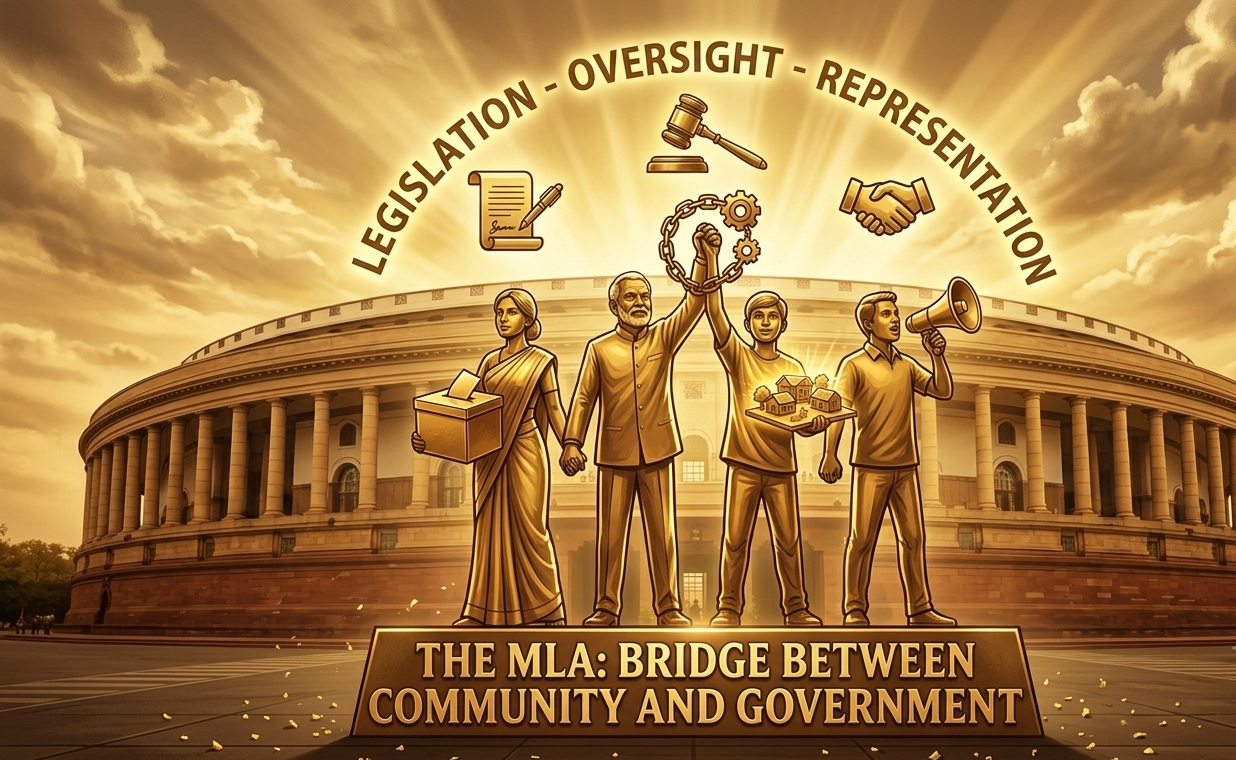
Role of MLAs in governance
Members of the Legislative Assembly (MLAs) are elected representatives who connect citizens with the state government. They make laws, raise public issues, oversee government actions, and help ensure effective governance.
1 मिनट का पाठ →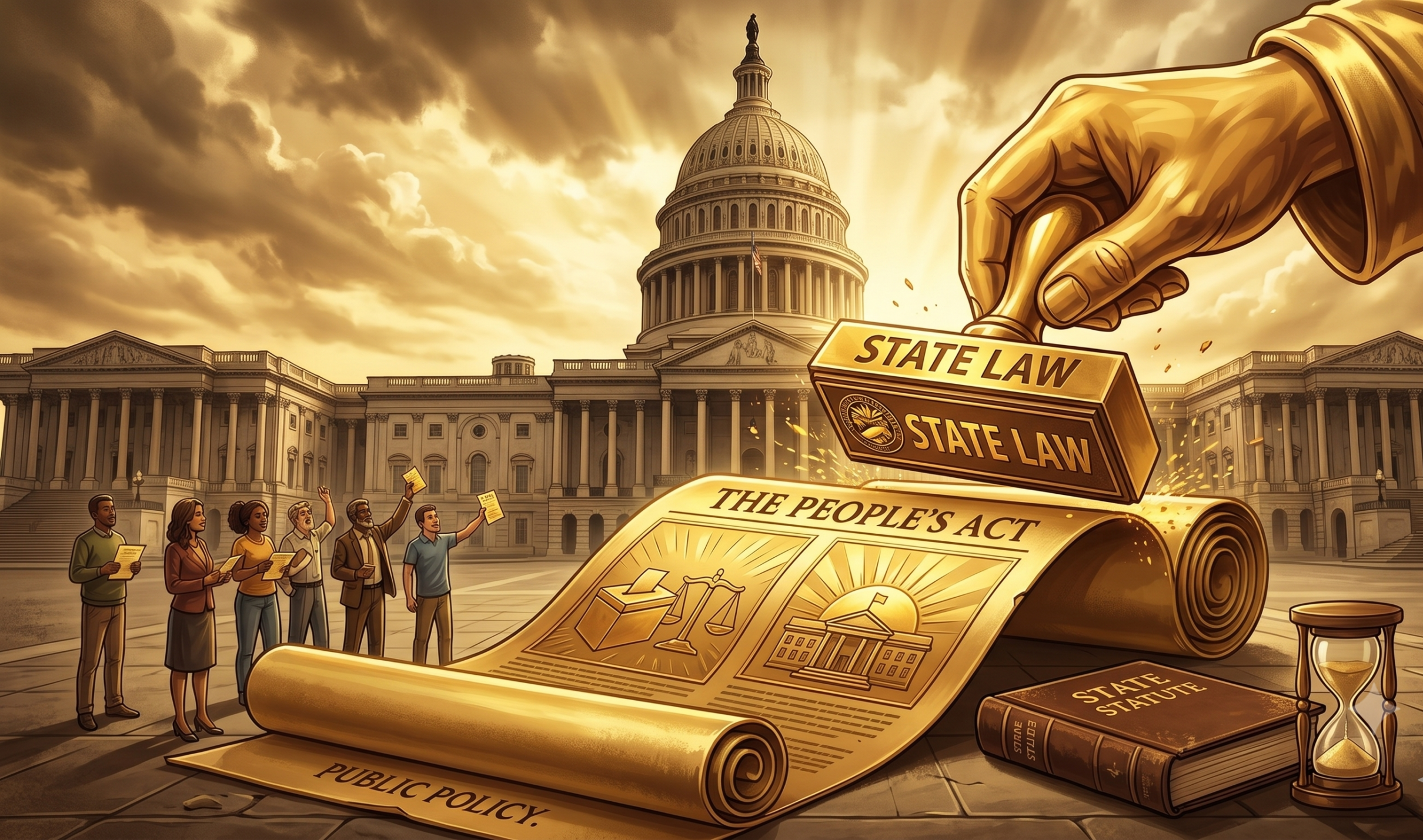
How State Laws Are Made
State laws are created through a structured legislative process involving discussion, review, voting, and approval. This process ensures accountability, representation, and effective governance at the state level.
2 मिनट का पाठ →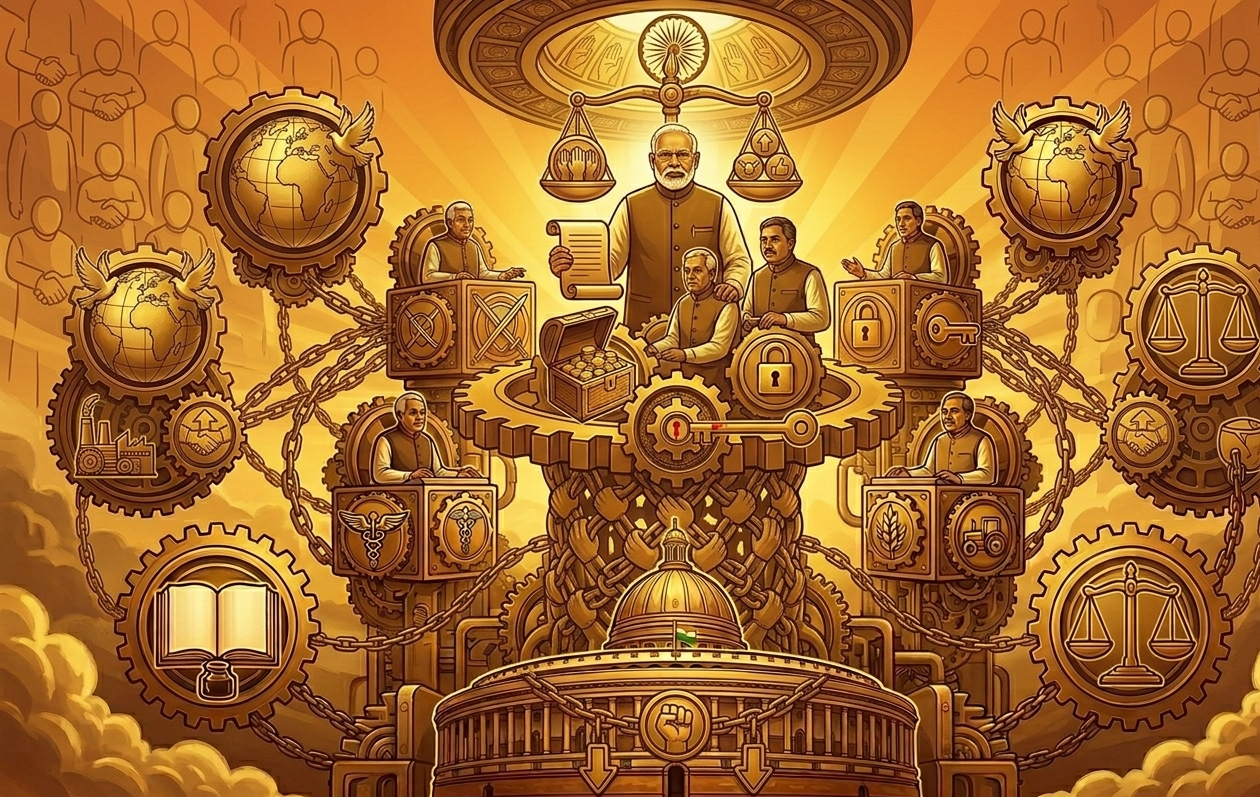
What is Supreme Court of India
The Supreme Court of India is the highest judicial authority and the guardian of the Constitution. It protects fundamental rights, reviews laws, and ensures justice across the country.
1 मिनट का पाठ →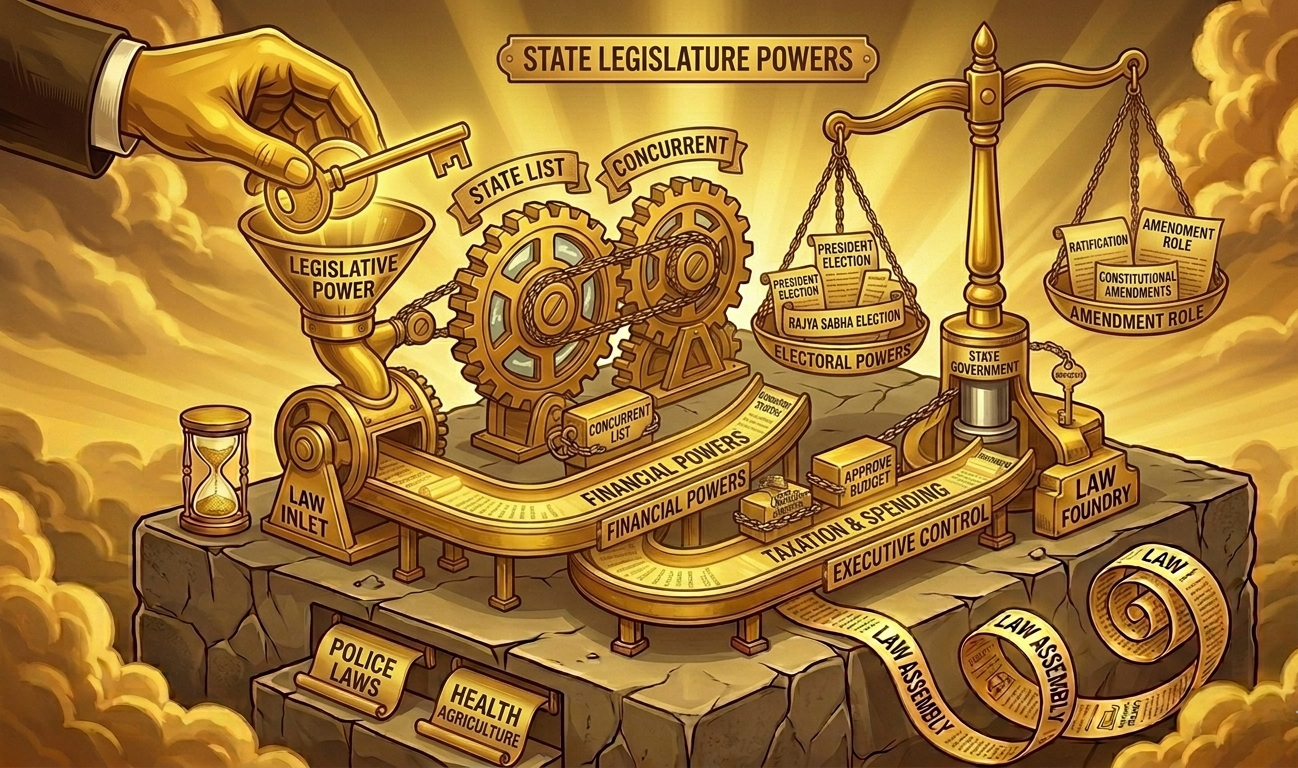
Powers of State Legislature
The State Legislature is responsible for making laws, controlling finances, and holding the state government accountable. It operates within powers defined by the Constitution. Its effectiveness depends on active debate and oversight.
1 मिनट का पाठ →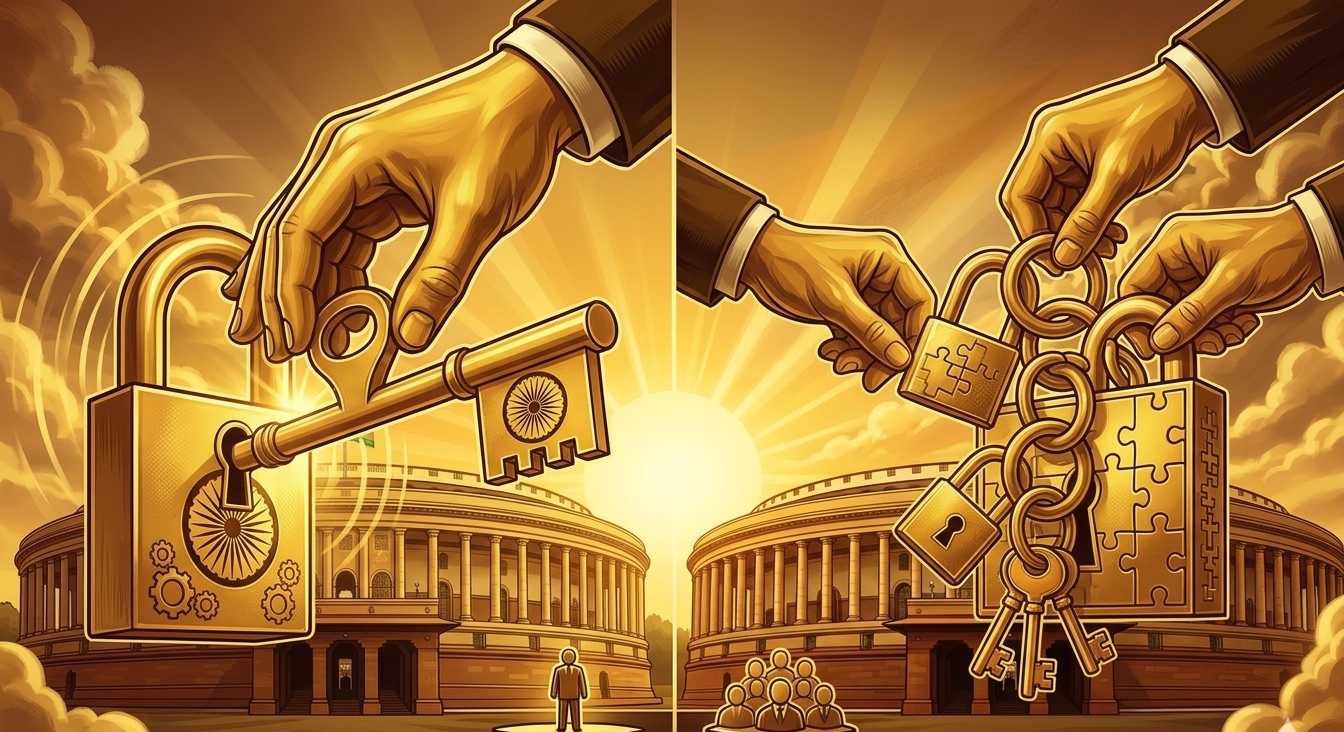
Which states have two houses and why?
Some Indian states follow a bicameral legislature with two houses—Vidhan Sabha and Vidhan Parishad. This system adds a layer of review and broader representation but also increases cost and complexity. That’s why only a few states choose to adopt it.
2 मिनट का पाठ →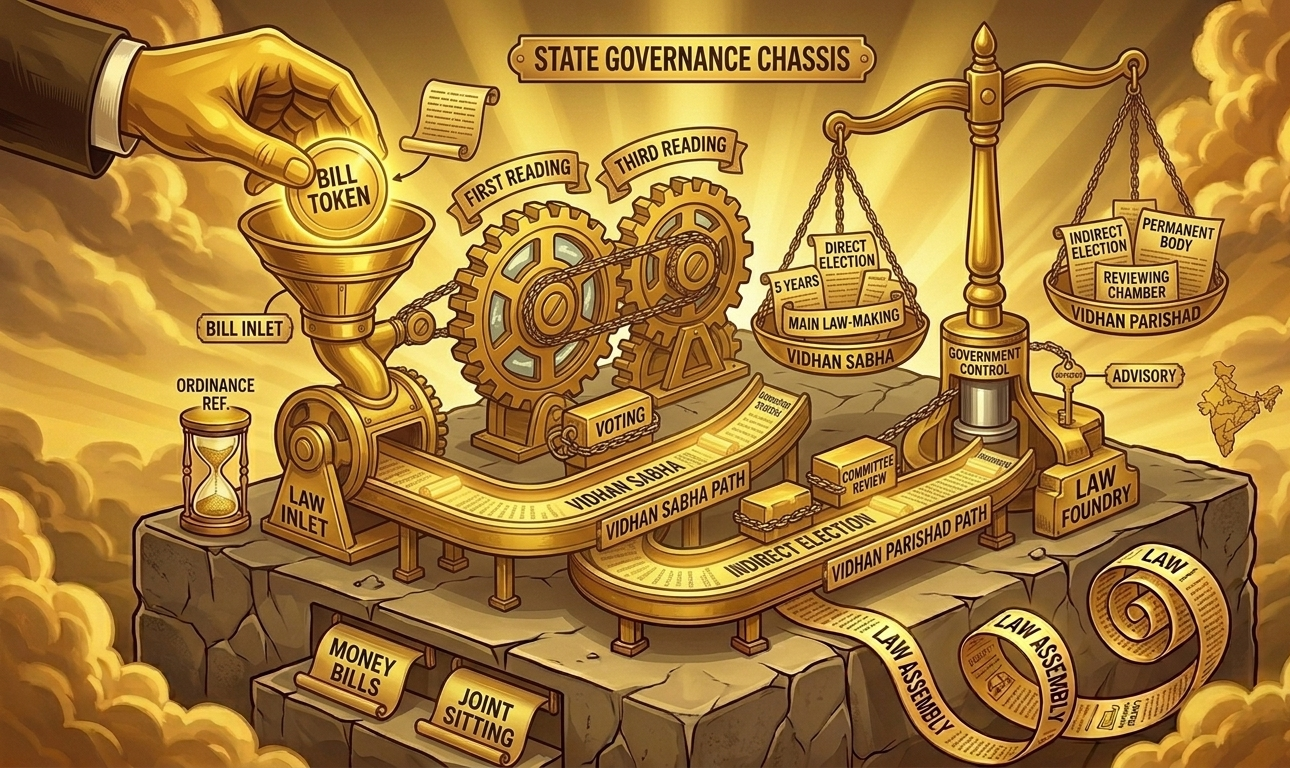
Difference between Vidhan Sabha and Vidhan Parishad
Vidhan Sabha and Vidhan Parishad are the two houses of a state legislature in India. While the Sabha is directly elected and holds real power, the Parishad acts mainly as a reviewing body. Together, they create a system that balances representation with review.
2 मिनट का पाठ →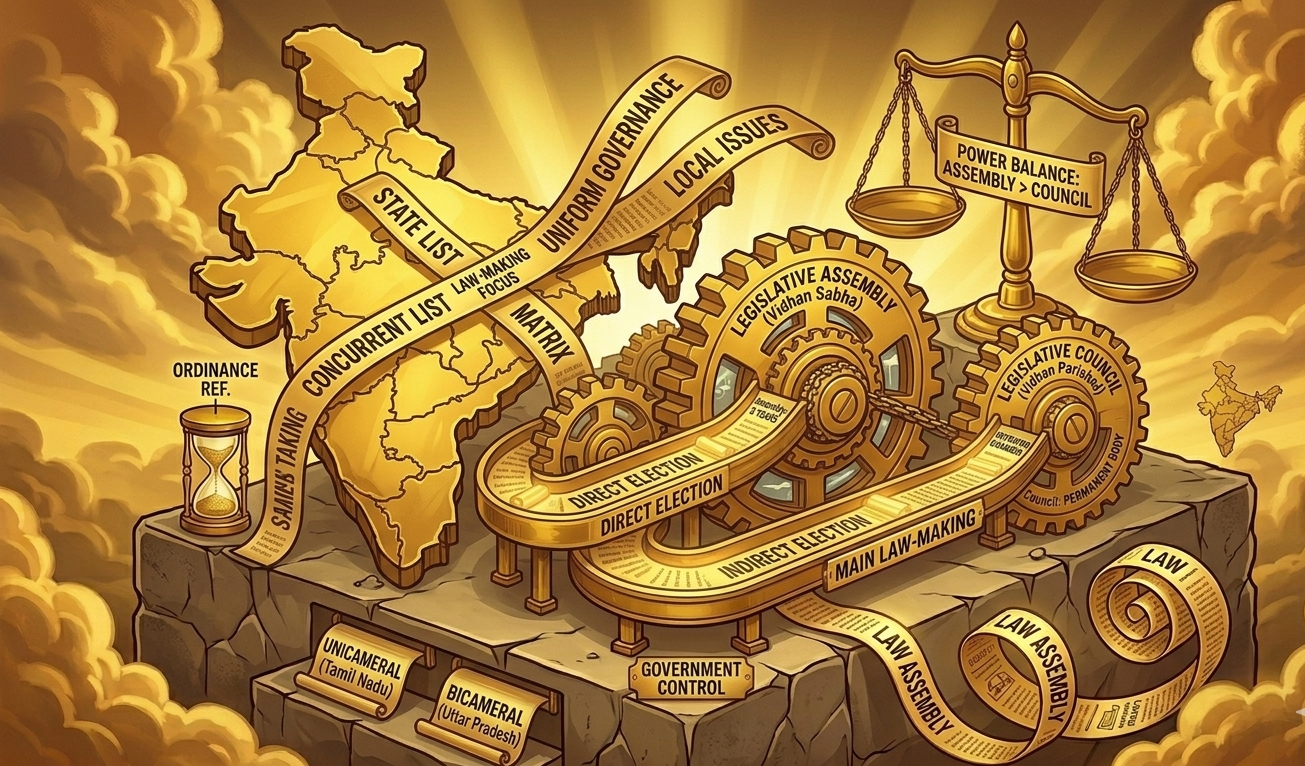
What are State Legislatures?
State Legislatures are the law-making bodies at the state level responsible for governing local matters. They operate through either a single house or a two-house system. These institutions bring governance closer to people and strengthen federalism.
2 मिनट का पाठ →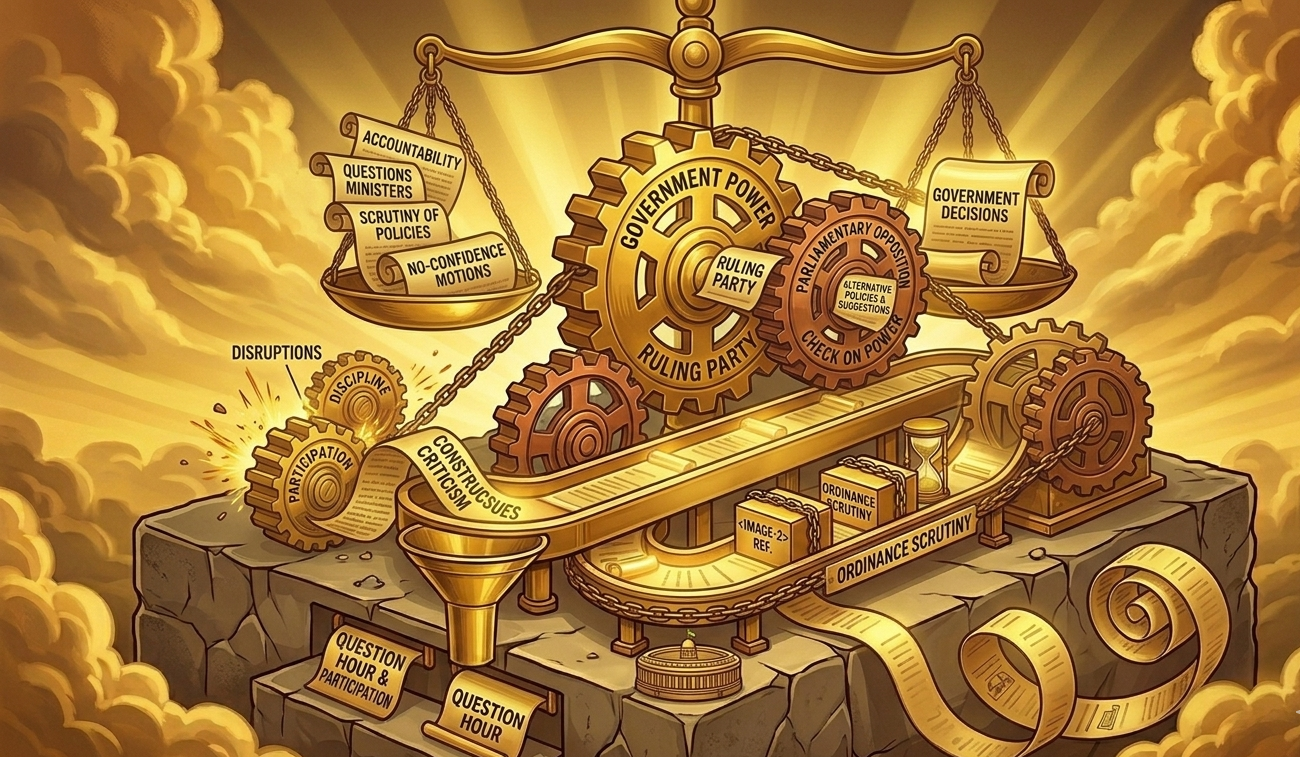
What is Question Hour and why it matters?
Question Hour is the first hour of a Parliament sitting where MPs question ministers on government actions. It is one of the most direct tools of accountability, forcing the government to answer publicly. Its effectiveness depends on how seriously it is used.
1 मिनट का पाठ →Role of opposition in Parliament
The opposition in Parliament is essential for holding the government accountable and preventing misuse of power. By questioning decisions and offering alternatives, it ensures debate and transparency. A democracy is only as strong as its opposition
1 मिनट का पाठ →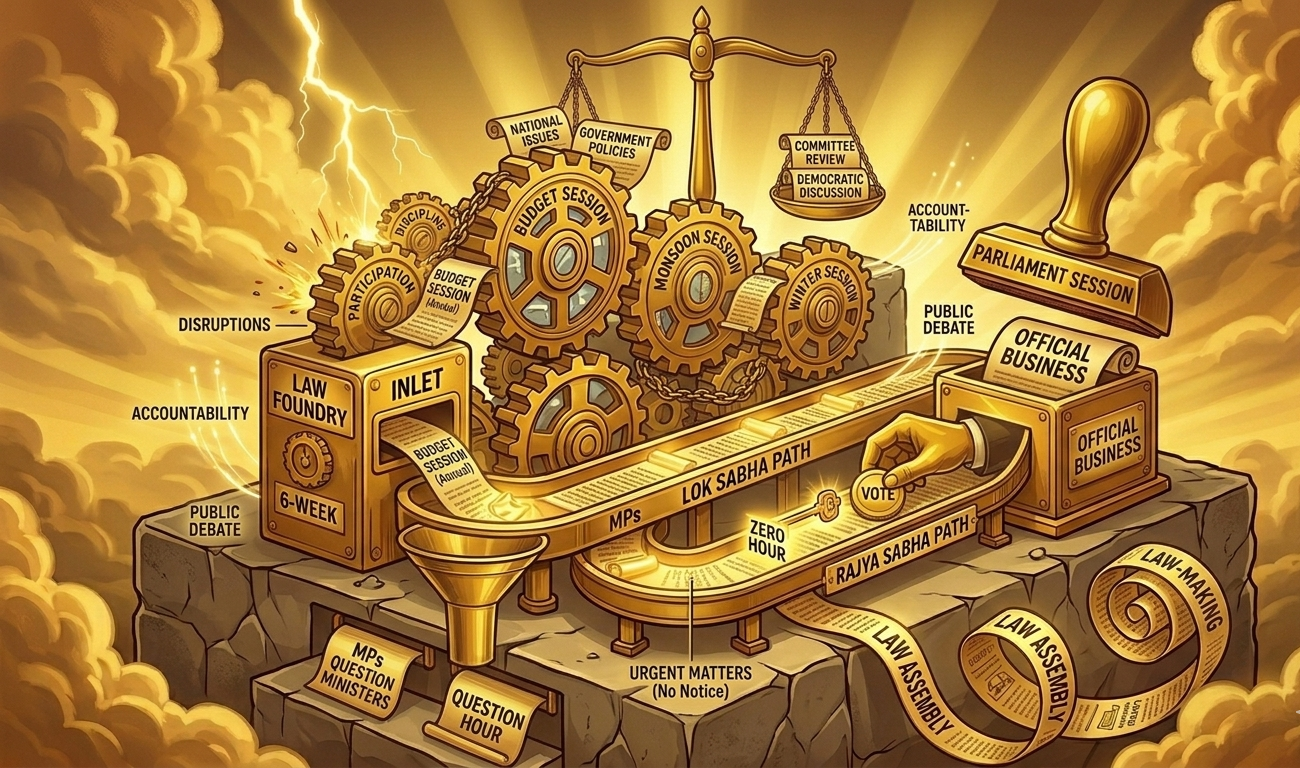
What happens during a Parliament session?
A Parliament session is the period when Lok Sabha and Rajya Sabha meet to conduct official business like law-making and holding the government accountable. These sessions are central to democratic functioning. Their effectiveness depends on meaningful debate and participation.
1 मिनट का पाठ →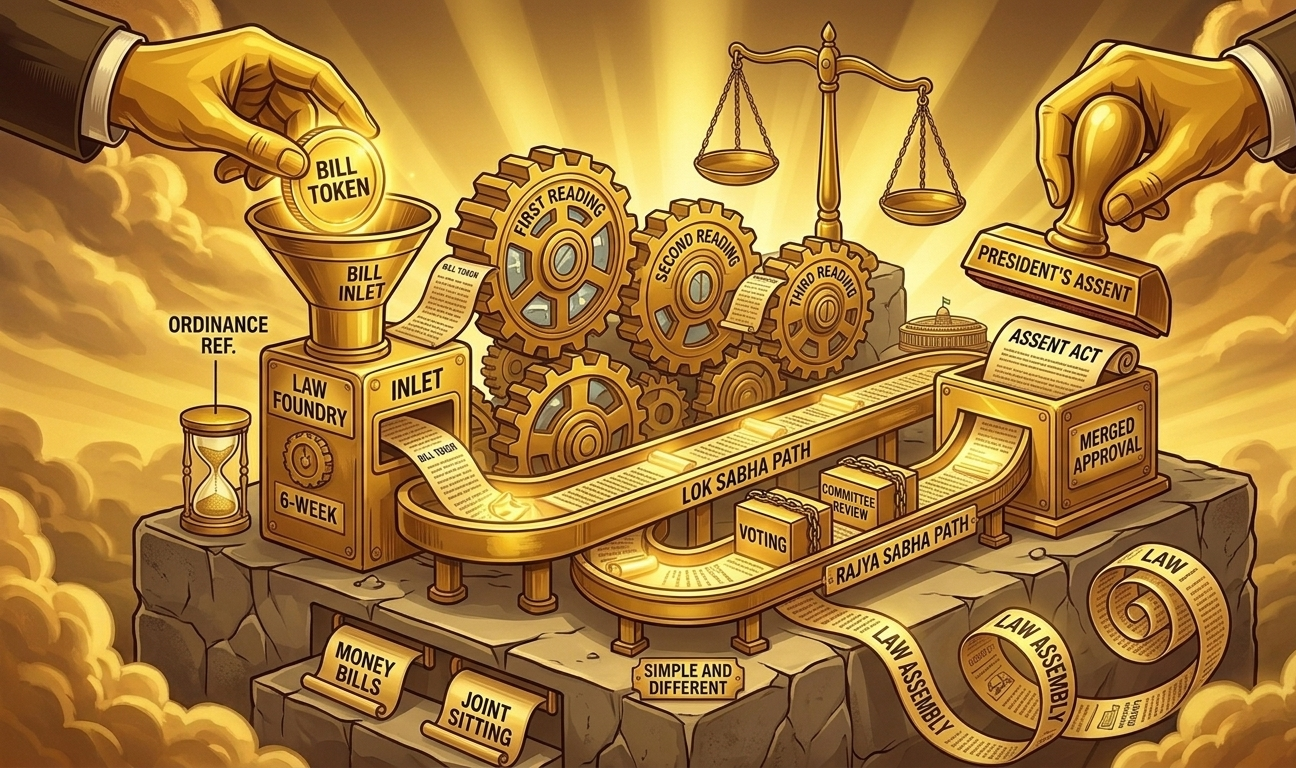
How laws are made in Parliament
Laws in India are made through a structured parliamentary process involving multiple stages of discussion, approval, and review. A Bill must pass both houses and receive the President’s assent to become law. This system ensures accountability but depends on meaningful debate to be effective.
2 मिनट का पाठ →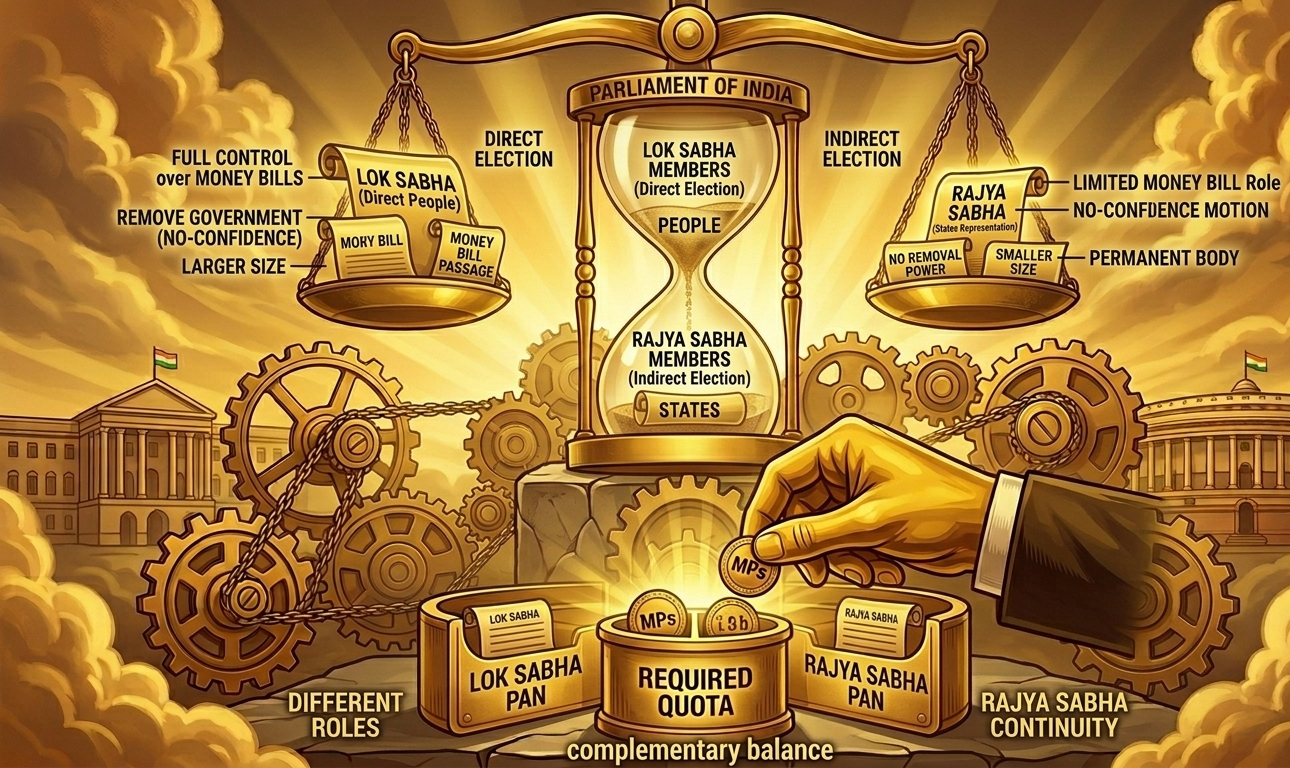
Difference between Lok Sabha and Rajya Sabha
The Parliament of India is a bicameral legislature consisting of Lok Sabha and Rajya Sabha. While Lok Sabha represents the people, Rajya Sabha represents the states, creating a balance in law-making. Together, they ensure accountability, stability, and effective governance.
2 मिनट का पाठ →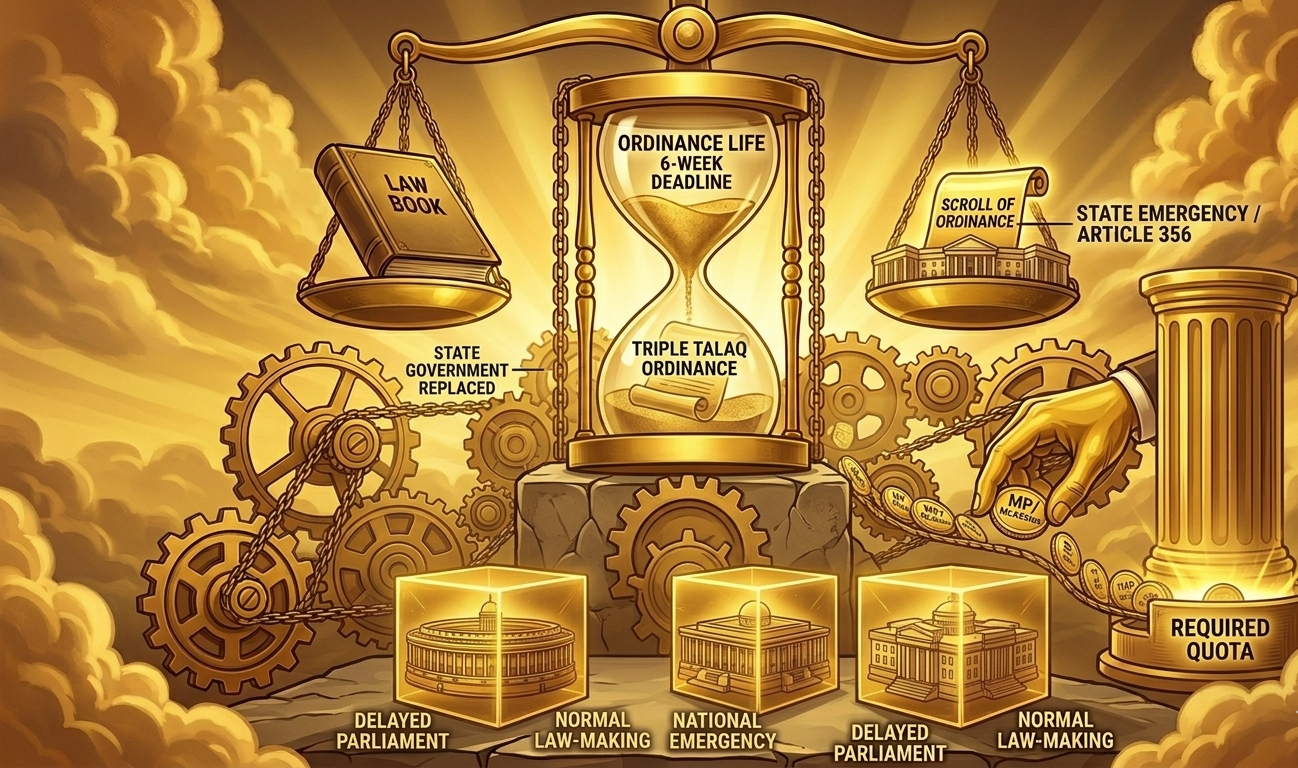
Structure of Parliament: Lok Sabha & Rajya Sabha
The Parliament of India is a bicameral legislature consisting of Lok Sabha and Rajya Sabha. While Lok Sabha represents the people, Rajya Sabha represents the states, creating a balance in law-making. Together, they ensure accountability, stability, and effective governance.
2 मिनट का पाठ →Role of President during emergencies
During emergencies, the President of India becomes the formal authority through which extraordinary powers are exercised. While acting on Cabinet advice, the President’s approval activates provisions that shift power toward the Union. These powers ensure stability in crises but carry serious risks if misused.
2 मिनट का पाठ →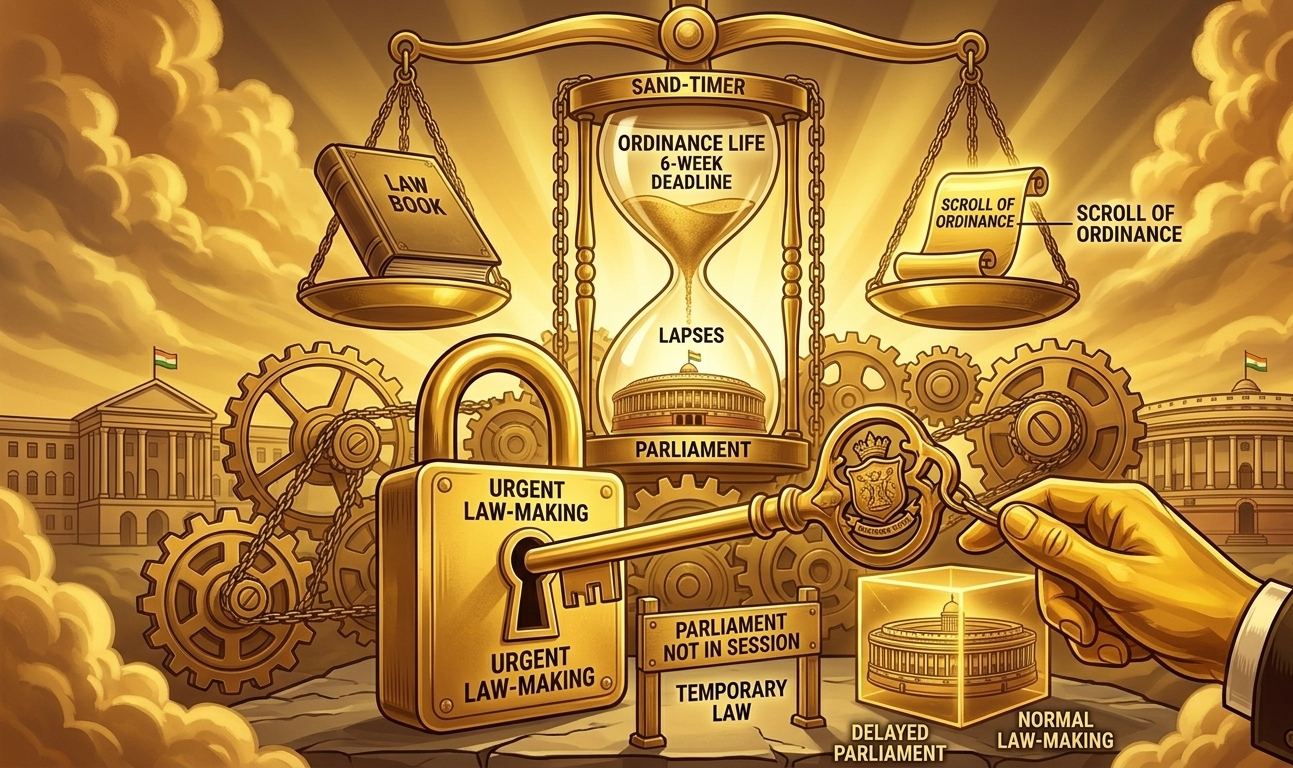
What is a Presidential Ordinance?
A Presidential Ordinance is a temporary law issued when Parliament is not in session to handle urgent situations. It has the same force as a law but must be approved by Parliament within a limited time. While it enables quick action, it can be controversial if used to bypass legislative debate.
2 मिनट का पाठ →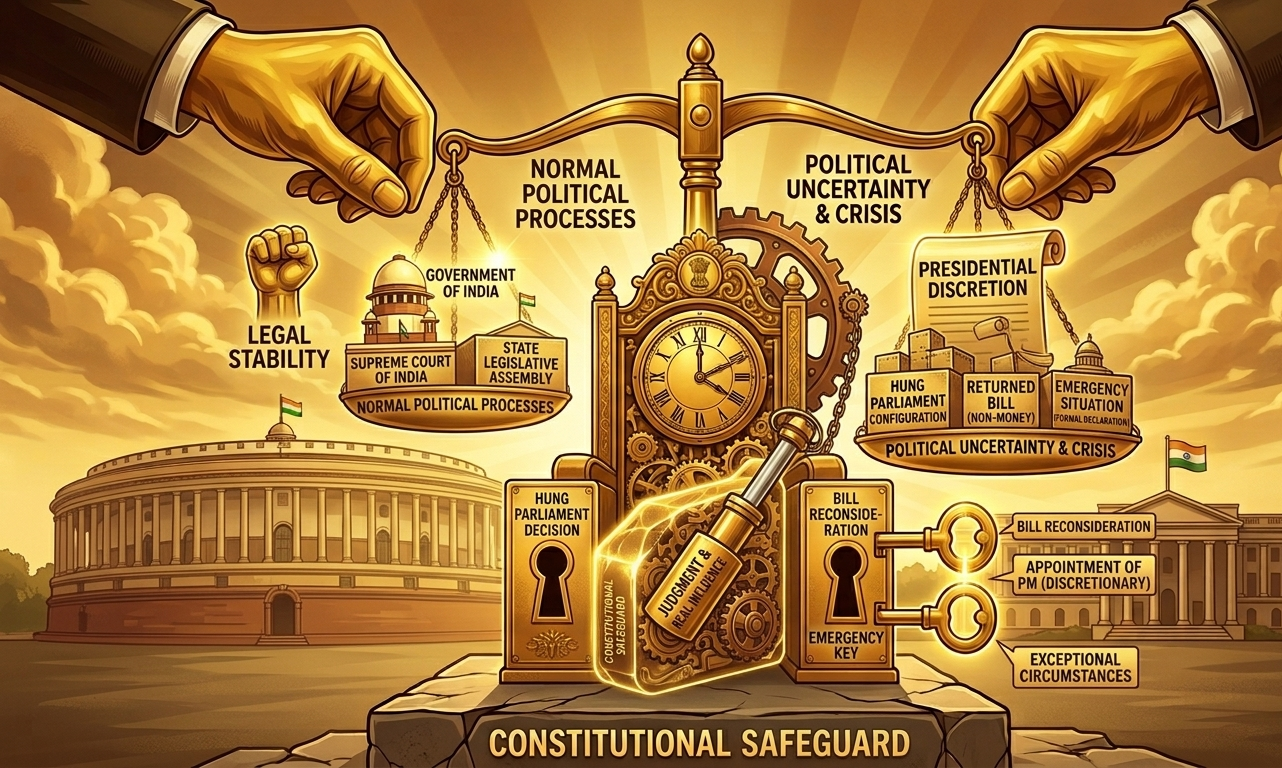
When can the President use real power?
The President of India usually acts on ministerial advice, but real power appears during exceptional situations. In moments like a hung Parliament or constitutional uncertainty, the President must exercise judgment. These powers are limited but crucial for maintaining stability and constitutional balance.
2 मिनट का पाठ →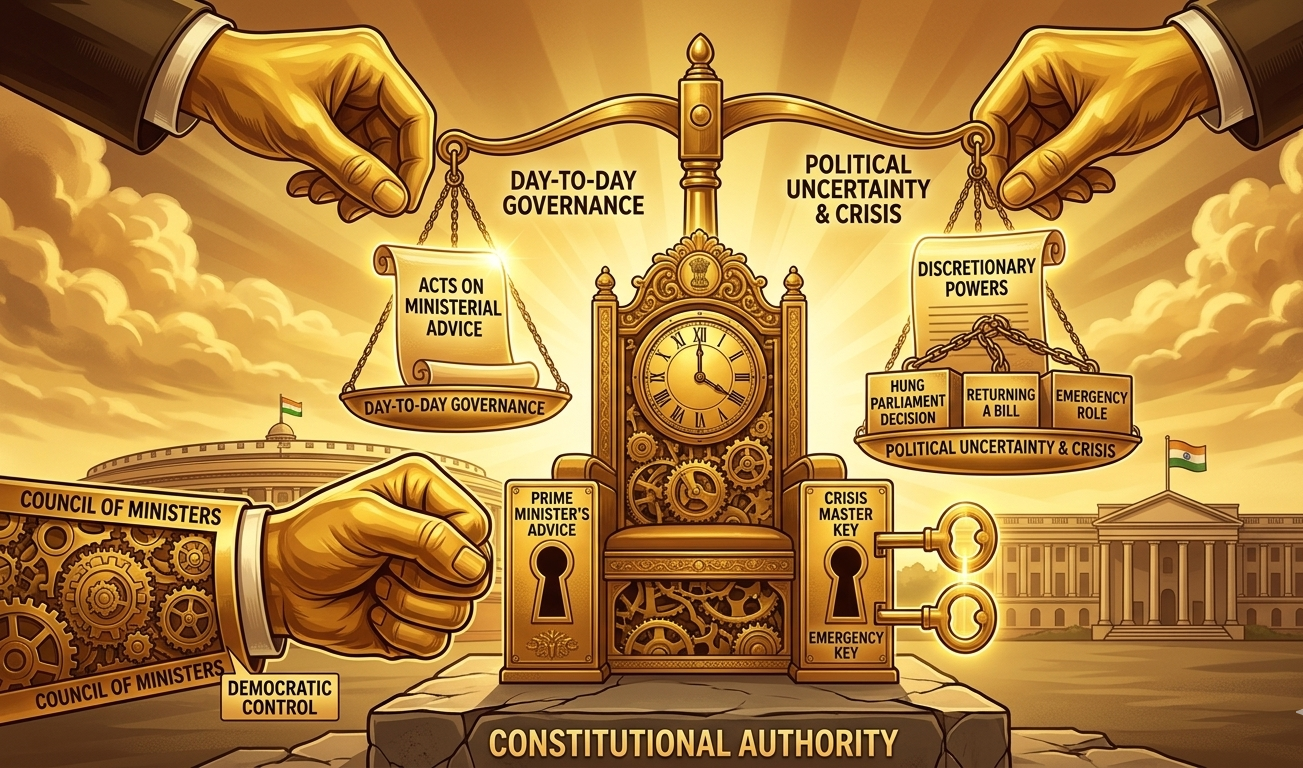
Is the President just a symbolic head?
The President of India is often seen as a ceremonial head, but that view is incomplete. While most powers are exercised on the advice of the government, the President holds important constitutional authority and limited discretion in key situations. The role is largely ceremonial in routine governance, but becomes significant during political uncertainty.
2 मिनट का पाठ →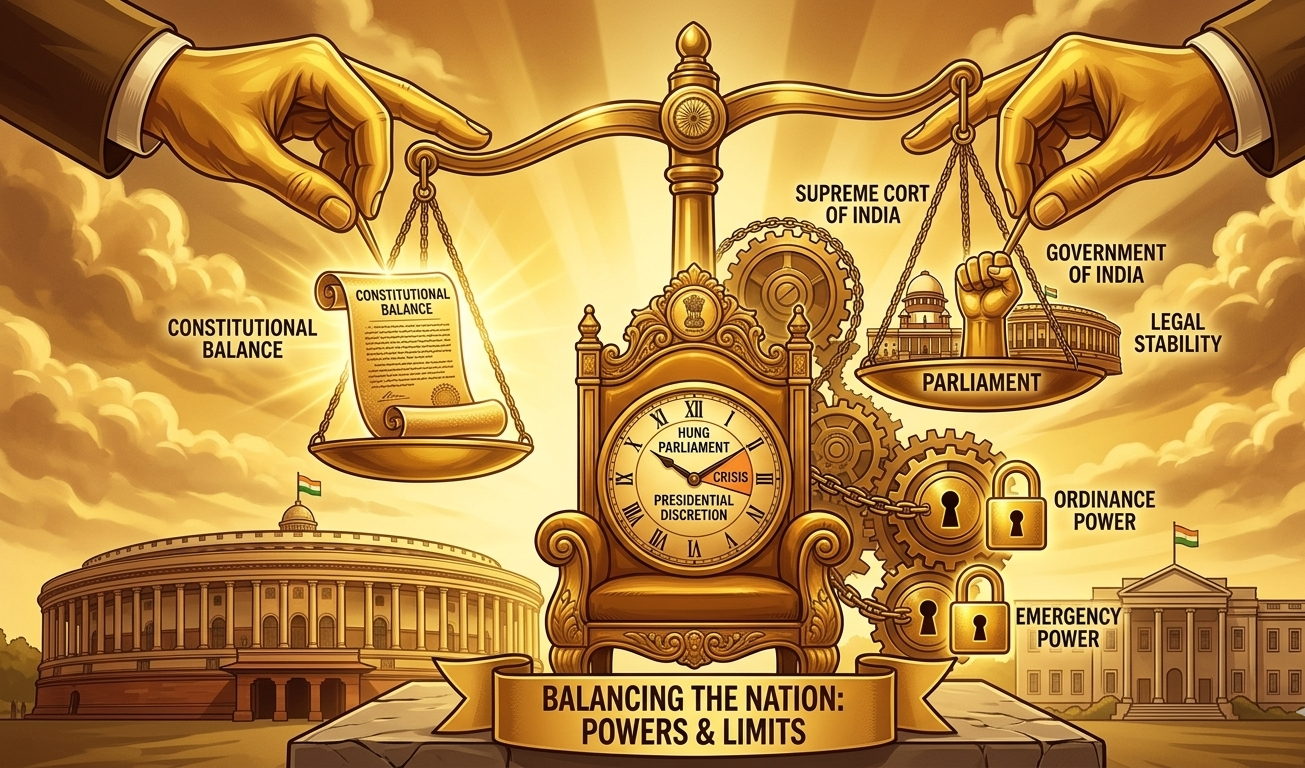
Powers of the President
The President of India holds significant constitutional powers, but most are exercised on the advice of the Council of Ministers. While the position appears powerful on paper, it is largely ceremonial in practice. However, in exceptional situations, the President plays a crucial role in maintaining constitutional balance.
2 मिनट का पाठ →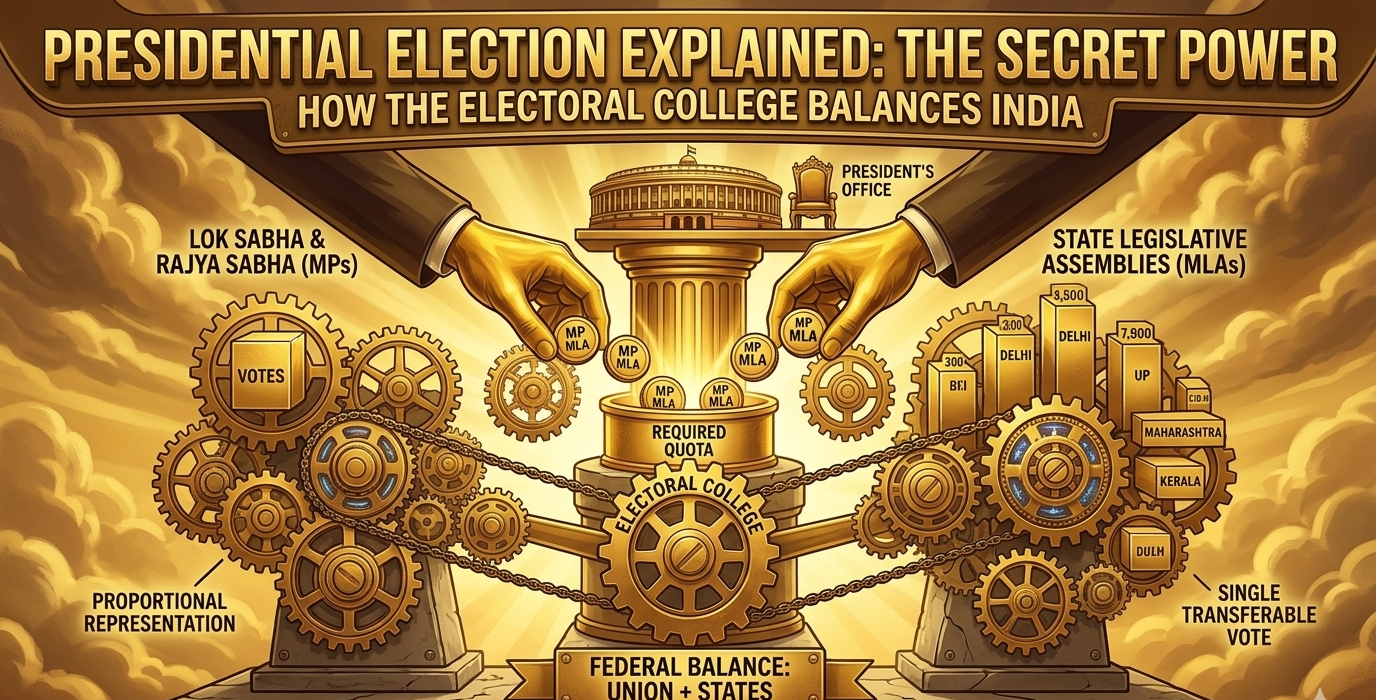
How is the President elected?
The President of India is elected indirectly through an Electoral College consisting of elected MPs and MLAs. This system balances representation between the Union and the states using proportional representation. While it ensures broader consensus, it also reduces direct public involvement in the selection process.
2 मिनट का पाठ →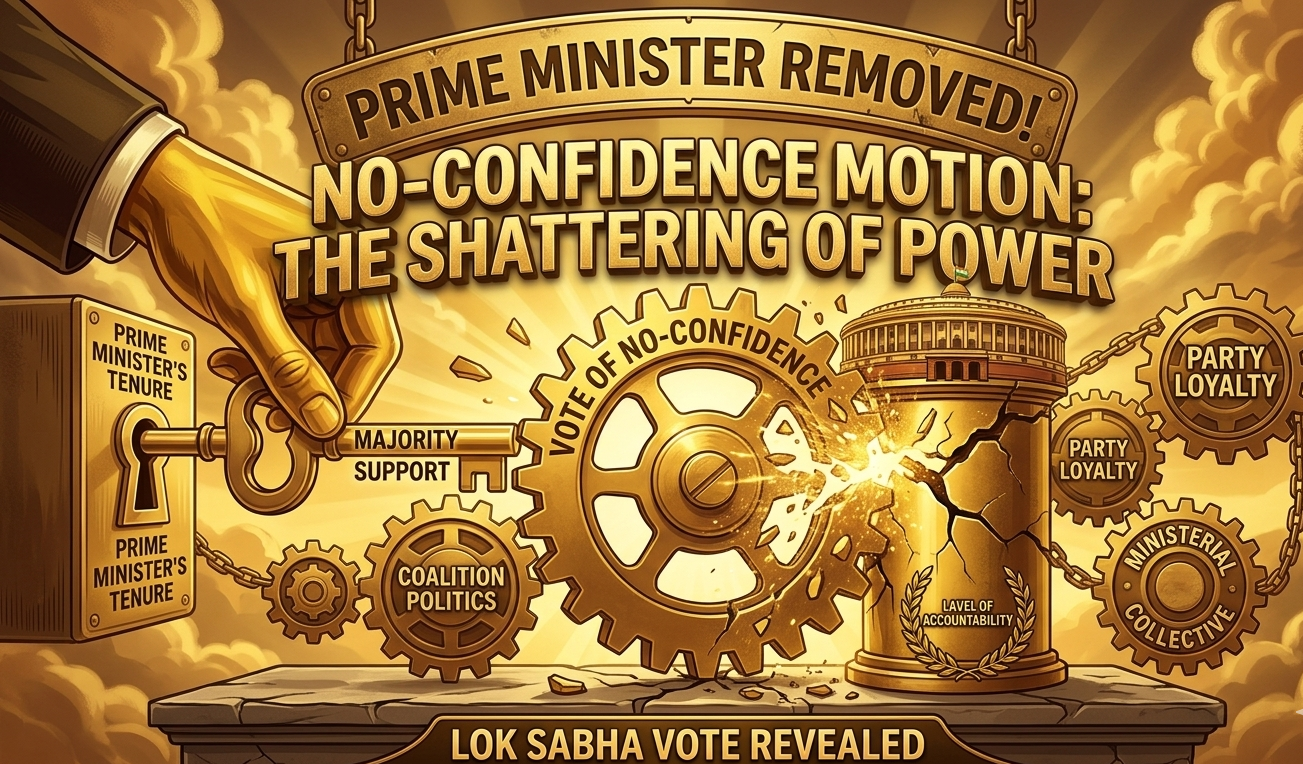
Can a Prime Minister be removed?
A Prime Minister in India can be removed from office if they lose the support of the Lok Sabha. Unlike a fixed-term system, their position depends on maintaining a majority. This ensures accountability but can also create instability in certain political situations.
2 मिनट का पाठ →What is Collective Responsibility?
Collective Responsibility is a key principle of parliamentary democracy where all ministers are jointly accountable for government decisions. The Council of Ministers must act as a single unit and maintain the confidence of the Lok Sabha. While this ensures unity and stability, it can also limit individual dissent within the government.
2 मिनट का पाठ →
Powers and functions of the Prime Minister
The Prime Minister of India holds the highest executive authority and directs the functioning of the government. As head of the Council of Ministers, the PM controls policy, administration, and political strategy. While this enables strong leadership, it also raises concerns about concentration of power if checks are weak.
2 मिनट का पाठ →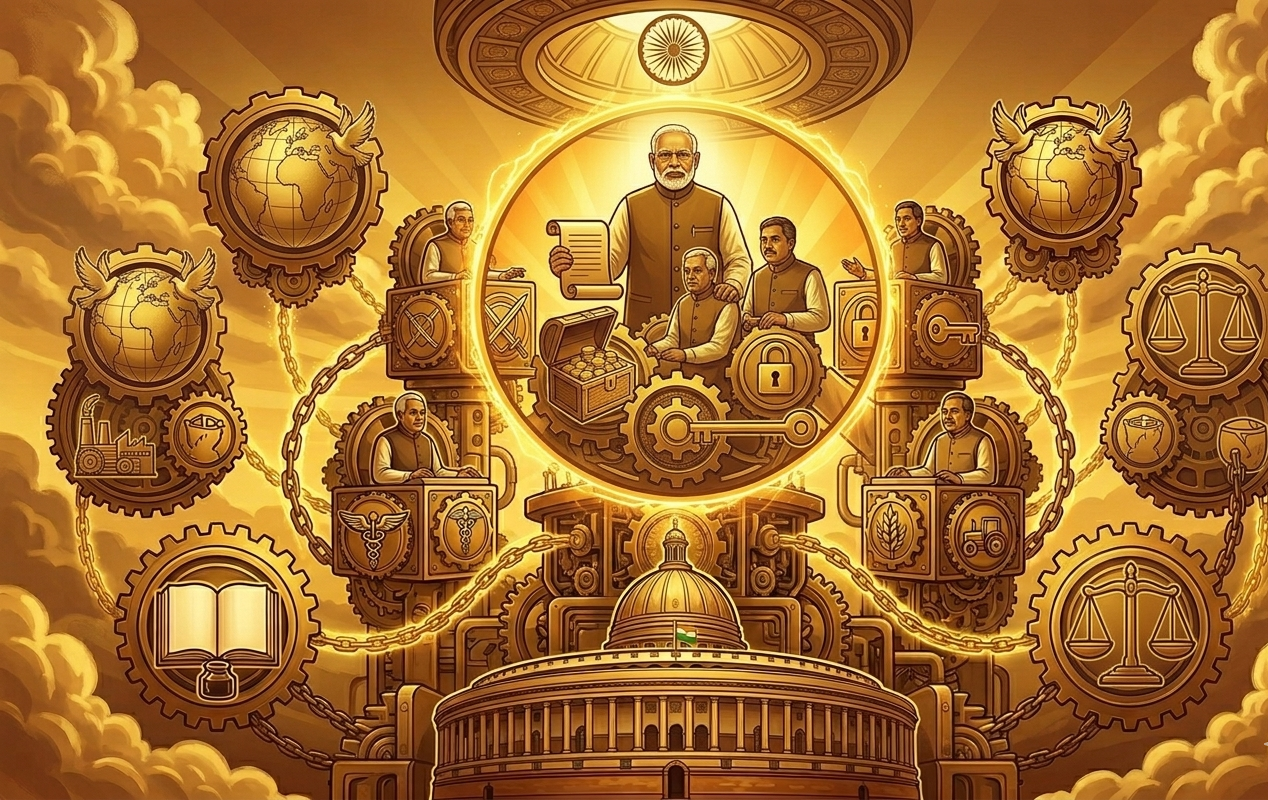
Difference between Cabinet Ministers and Council of Ministers
The Cabinet and the Council of Ministers are not the same. While the Council includes all ministers, the Cabinet is a smaller group of senior leaders who make key decisions. In practice, real executive power is concentrated within the Cabinet, not the entire council.
2 मिनट का पाठ →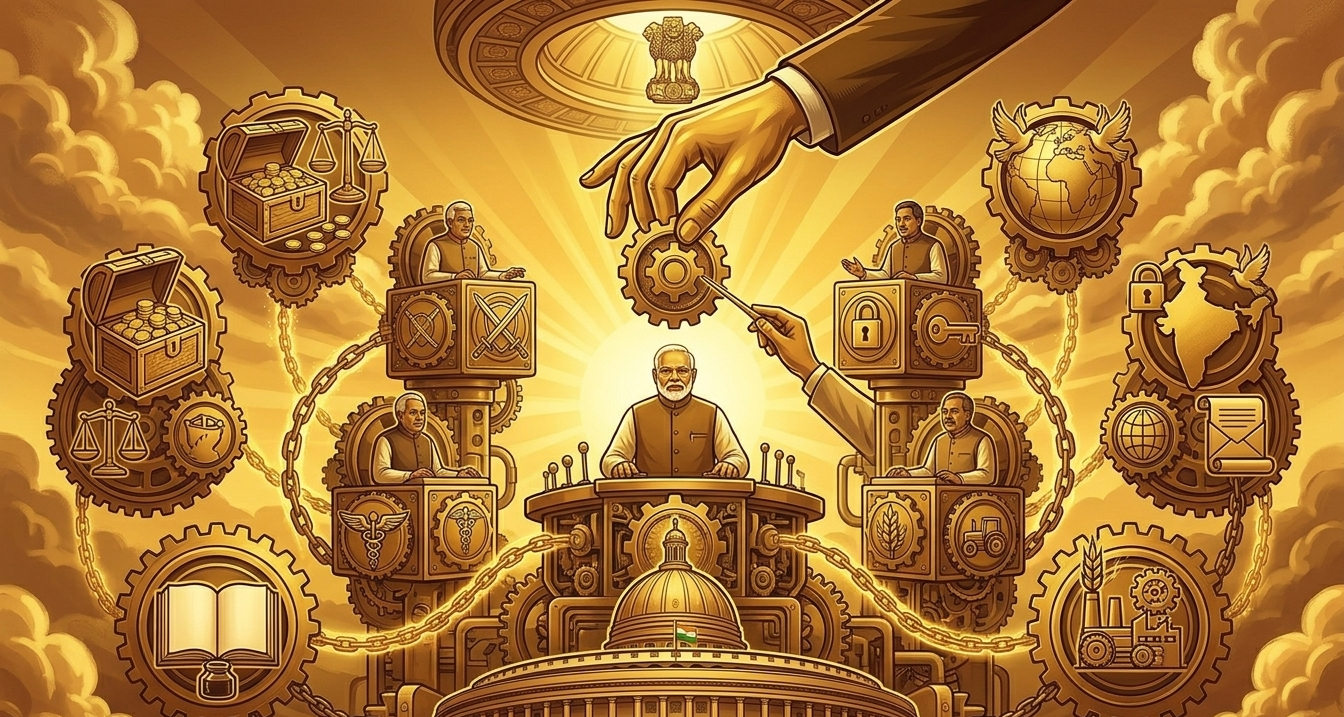
What is the Council of Ministers?
The Council of Ministers is the core executive body that assists the Prime Minister in governing the country. It consists of ministers handling different departments and operates on the principle of collective responsibility. While it ensures division of work and specialization, its effectiveness depends on leadership and political balance.
2 मिनट का पाठ →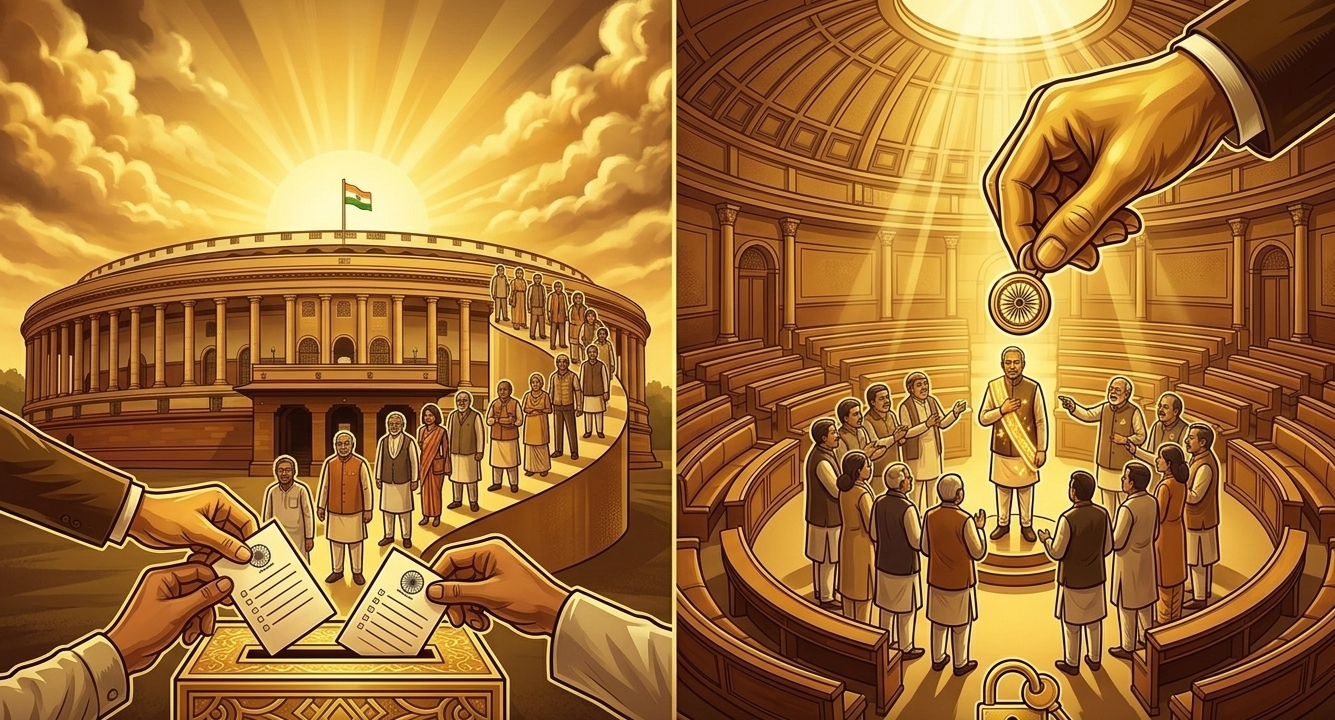
How is the Prime Minister elected?
The Prime Minister of India is not directly elected by citizens but chosen through the parliamentary process. Voters elect Members of Parliament, and the majority party or coalition selects its leader as Prime Minister. This system ensures accountability to Parliament while allowing flexibility in leadership.
2 मिनट का पाठ →Who is the Prime Minister of India and what do they do?
The Prime Minister of India is the central executive authority responsible for running the government and shaping national policy. Appointed by the President but dependent on Lok Sabha majority support, the PM combines political leadership with administrative control. The role is powerful, but its impact depends on how responsibly that power is exercised.
2 मिनट का पाठ →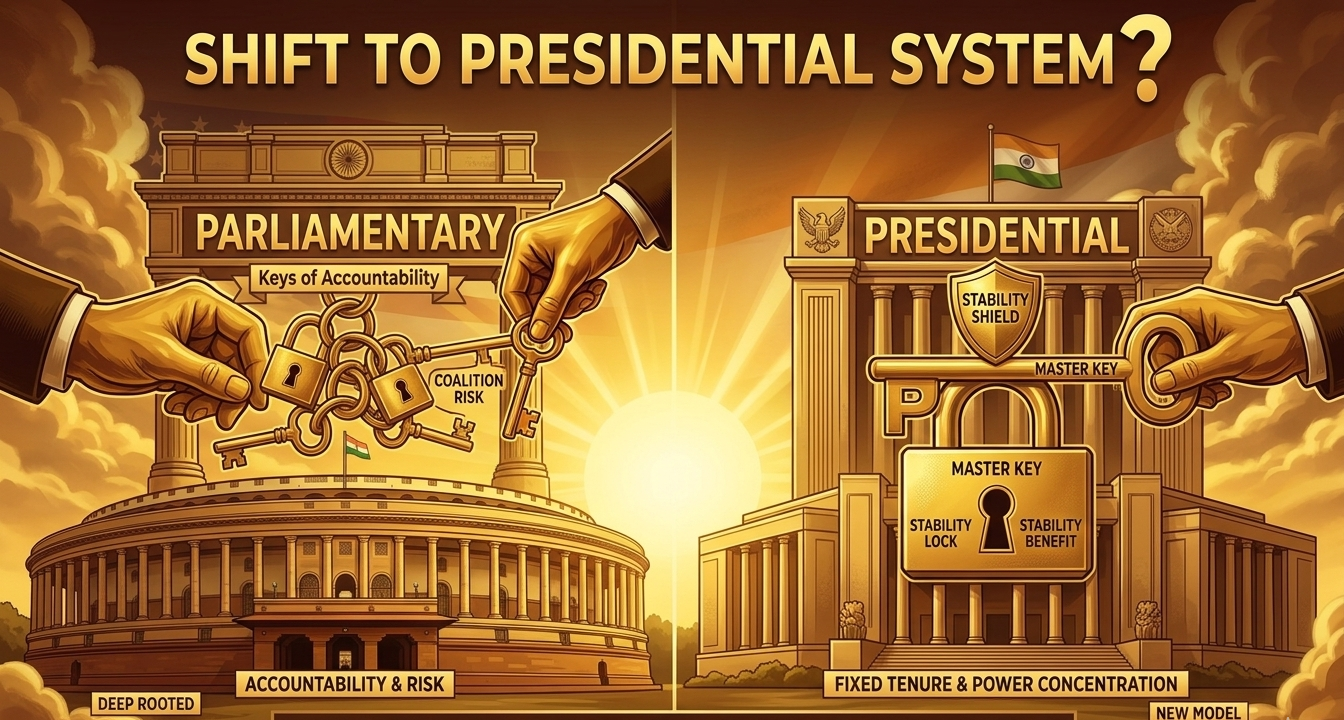
Can India shift to Presidential System? Pros and Cons
India can shift to a presidential system, but doing so would require major constitutional changes and political consensus. While it may offer stability and fixed leadership, it also raises concerns about reduced accountability and concentration of power. The real question is whether such a shift suits India’s political and institutional realities.
2 मिनट का पाठ →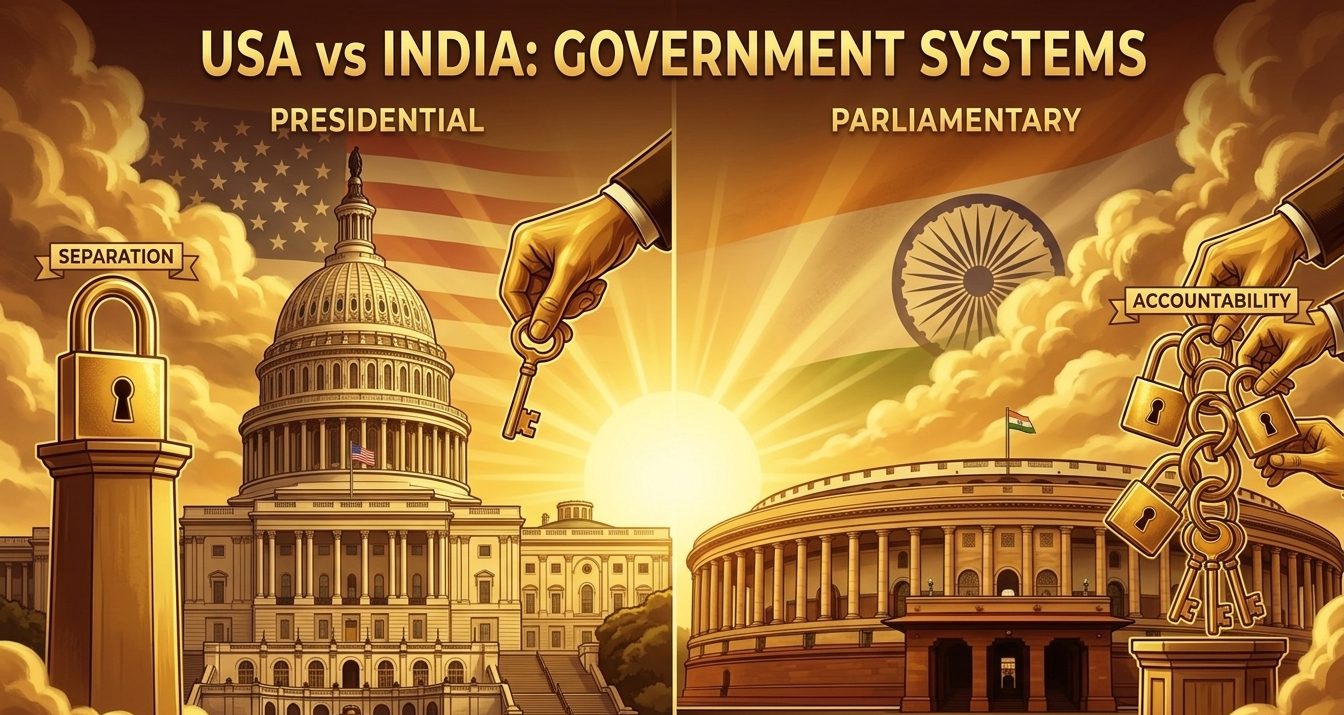
Why USA follows Presidential but India follows Parliamentary
The USA and India follow different governance systems based on their historical context and political priorities. While the USA adopted a presidential system to ensure stability and separation of powers, India chose a parliamentary system to promote accountability and flexibility. These choices reflect different solutions to different governance challenges.
2 मिनट का पाठ →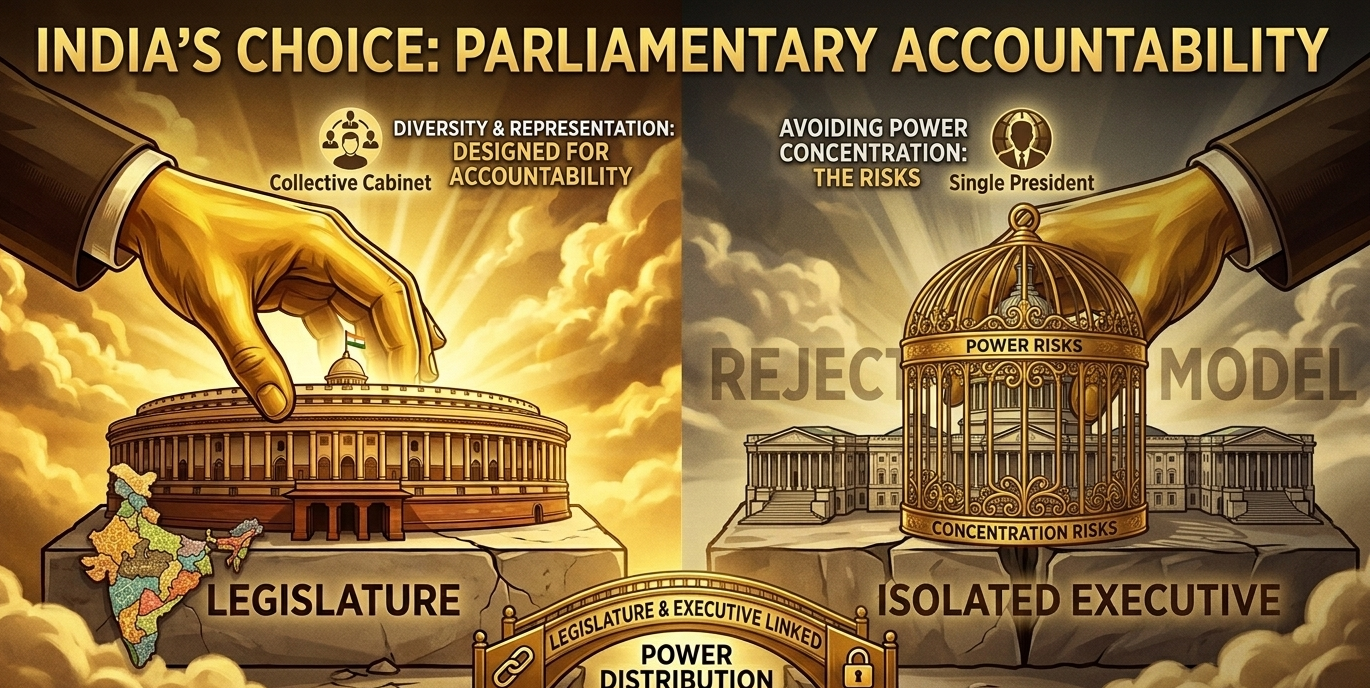
Why India chose Parliamentary System over Presidential System
India adopted the parliamentary system to ensure accountability, flexibility, and representation in a highly diverse society. By linking the executive to the legislature, it prevents concentration of power while allowing governments to adapt to changing political conditions. However, its success depends on political maturity, as it can lead to instability or dominance if misused.
2 मिनट का पाठ →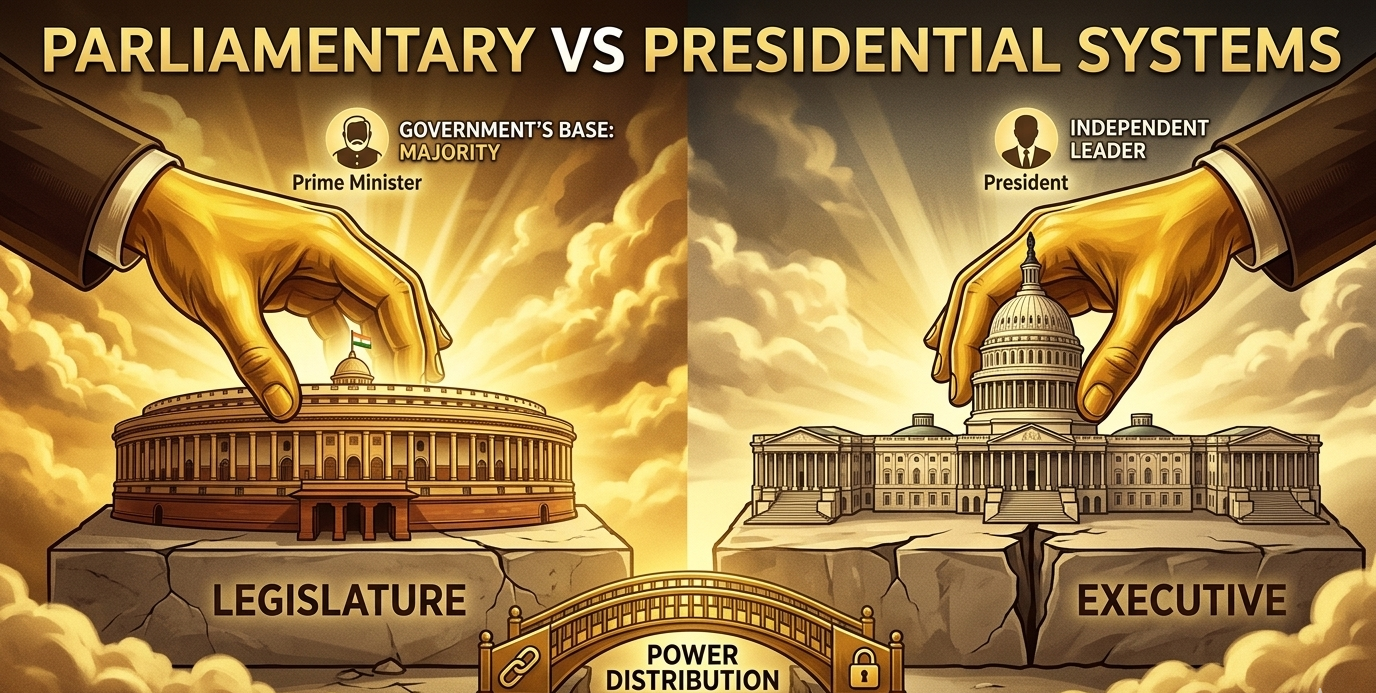
Difference between Parliamentary and Presidential System
Parliamentary and presidential systems differ in how executive power is structured and exercised. Parliamentary systems link the executive to the legislature, ensuring accountability but risking instability. Presidential systems separate powers, providing stability but often causing deadlock. These differences shape how effectively governments function in real-world political conditions.
2 मिनट का पाठ →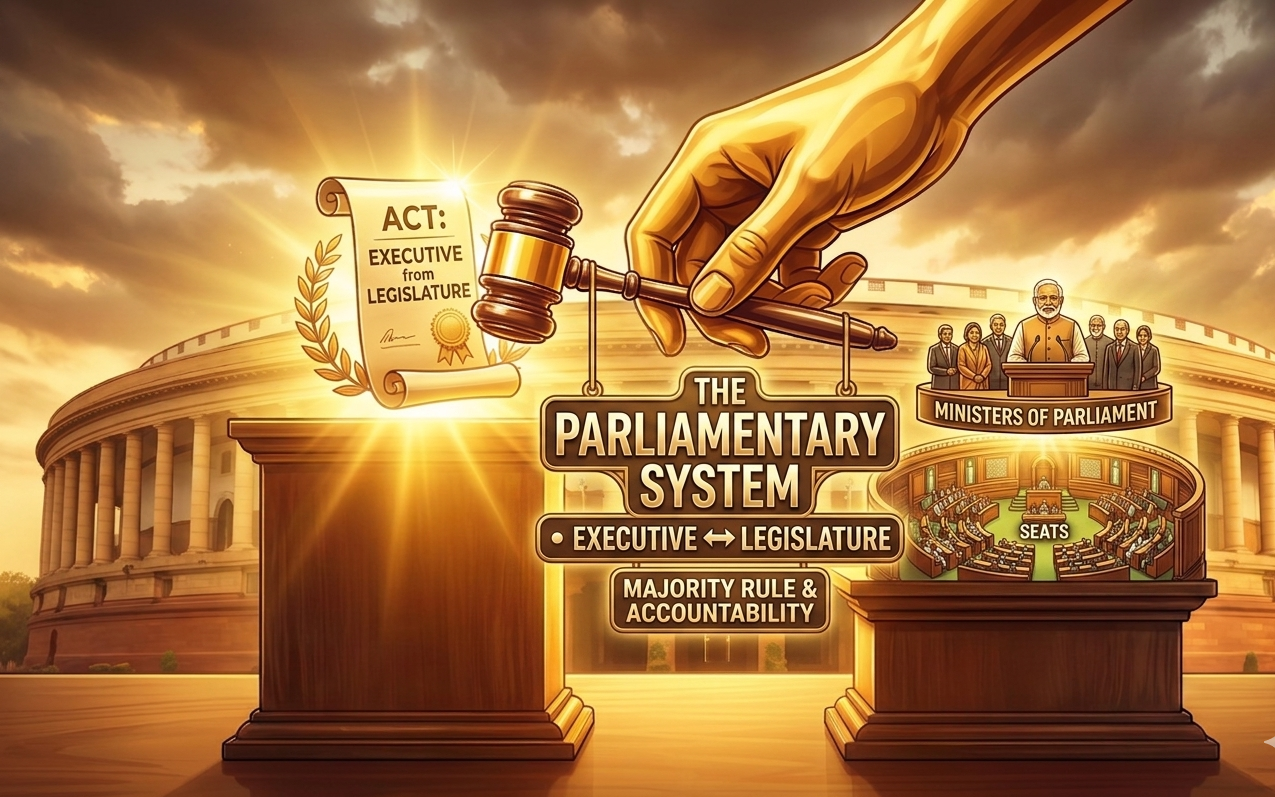
What is a Parliamentary System?
The parliamentary system links the executive directly to the legislature, ensuring real-time accountability.Governments survive only with majority support, making political stability crucial Core principles like collective responsibility and no-confidence motions keep power in check.Effective in strong majorities—but vulnerable to instability and dominance when misused.
2 मिनट का पाठ →
The Cancellation of Dealership Agreement is a Serious Business Supreme Court of India in HPCL v. Dharamnath Singh
The Supreme Court held that cancellation of dealership agreements is a serious commercial action.Termination must strictly follow contractual terms and natural justice.Arbitrary cancellation invites judicial scrutiny.Dealership termination demands fairness, evidence, and proportionality.
2 मिनट का पाठ →
Promotion in Judiciary Merit-Cum-Seniority Emphasized Over Seniority-Cum-Merit
The Supreme Court clarified that merit-cum-seniority gives primacy to merit in judicial promotions.Seniority alone cannot justify elevation where merit is the governing standard.Judicial performance, integrity, and competence must drive advancement.Excellence in the judiciary outweighs mere length of service.
2 मिनट का पाठ →
Comprehensive Guide to India’s Digital Personal Data Protection Act, 2023
India’s Digital Personal Data Protection Act, 2023 creates a comprehensive privacy framework.It introduces consent-based processing, enforceable user rights, and regulatory oversight.Businesses face strict compliance obligations and significant monetary penalties.Data protection is now a statutory mandate not a policy choice.
2 मिनट का पाठ →
Insurance Is a Contract of Indemnification Unveiling the Supreme Court’s Groundbreaking Bridge Collapse Ruling
The Supreme Court has reaffirmed that insurance is a contract of indemnity, not profit.Compensation must strictly reflect actual financial loss.Policy terms govern liability and cannot be rewritten in equity.Insurance restores the insured it does not create windfalls.
2 मिनट का पाठ →
Possession Is Key: Supreme Court Clarifies Hindu Succession Rights Under Section 14(1)
Overview The Supreme Court of India has reaffirmed a critical principle under Section 14(1) of the Hindu Succession Act, 1956 where a Hindu female is in possession of property, her limited right enlarges into absolute ownership.The Court clarified that possession is the determining factor. If property is possessed by a female Hindu under any pre-existing […]
2 मिनट का पाठ →
Land Acquisition Objections Are a Fundamental Right
The Supreme Court has reaffirmed that the right to object in land acquisition is a substantive safeguard.Authorities must meaningfully consider objections before final acquisition.Mechanical approval renders proceedings vulnerable to judicial review.State power to acquire land is sovereign but not absolute.
2 मिनट का पाठ →
Balancing Justice and Matrimonial Harmony Supreme Court’s Landmark Judgment in Dasari Srikanth v. State of Telangana
The Supreme Court has cautioned against misuse of criminal law in matrimonial disputes.Omnibus and vague allegations against relatives cannot justify prosecution.Courts must prevent abuse of criminal process in marital conflicts. The ruling balances protection for victims with safeguards against harassment.
2 मिनट का पाठ →
The Right to Life and Personal Liberty: Supreme Court Upholds Fundamental Rights in the Prabir Purkayastha Case
The Supreme Court has reaffirmed that personal liberty under Article 21 cannot be curtailed without strict procedural compliance.Illegal arrest cannot be cured by subsequent judicial remand.Grounds of arrest must be meaningfully communicated to the accused.The ruling strengthens constitutional safeguards against arbitrary detention.
2 मिनट का पाठ →
Supreme Court Quashes FIR Tool to Wreak Vengeance Against the Appellant
The Supreme Court has quashed an FIR filed with fide intent to harass the accused.Criminal law cannot be weaponized to settle personal scores or civil disputes.Courts must intervene when proceedings disclose no prima facie offence.The ruling strengthens safeguards against abuse of criminal process.
2 मिनट का पाठ →Legal Profession Is Sui Generis
The Supreme Court has held that the legal profession is sui generis and not covered under the Consumer Protection Act.Advocates cannot be treated as ordinary service providers for professional conduct.Complaints against lawyers must be addressed under the Advocates Act through Bar Councils.The ruling safeguards the independence and institutional integrity of the legal profession.
2 मिनट का पाठ →
Restoring Justice Through Restitution
The Supreme Court has reaffirmed that restitution is a mandatory judicial duty when a decree is reversed.No party can retain benefits obtained from an erroneous order.Courts must restore parties to the position they would have occupied but for the mistake.Justice demands undoing unjust enrichment not merely correcting the record.
2 मिनट का पाठ →
No Evidence of Forest Offence
The Supreme Court has set aside criminal proceedings in Kerala’s sandalwood case, ruling that suspicion cannot replace proof in forest offence prosecutions.The Court held that penal liability requires strict proof of statutory ingredients.Mere recovery or allegation is insufficient to sustain conviction.Criminal law punishes proven guilt not presumed wrongdoing.
2 मिनट का पाठ →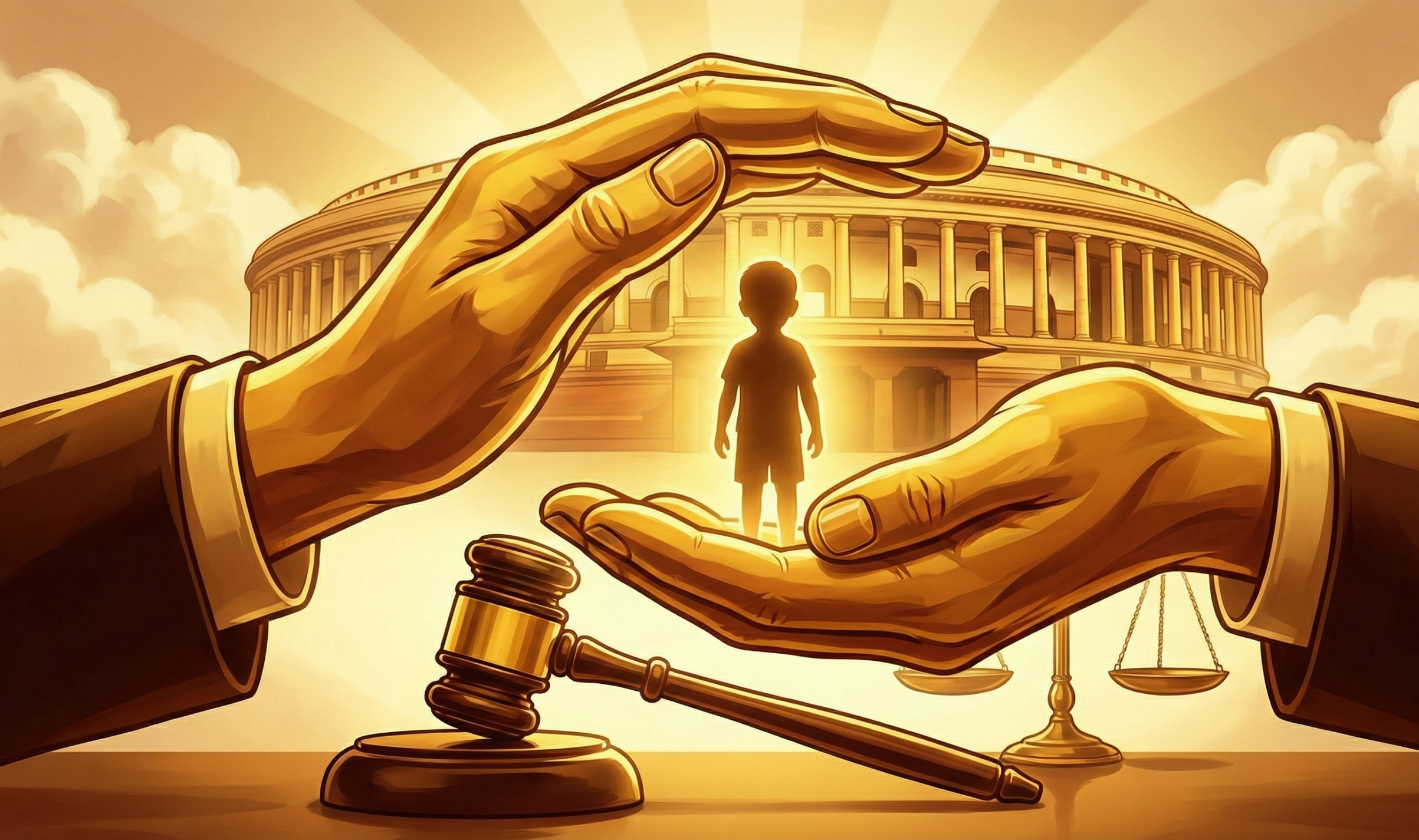
Welfare of the Minor Children is the Paramount Consideration
Welfare of the child overrides parental rights.Custody is determined by best interests, not entitlement.Emotional and psychological well-being are central.Courts adopt a child-centric, not parent-centric, approach.
2 मिनट का पाठ →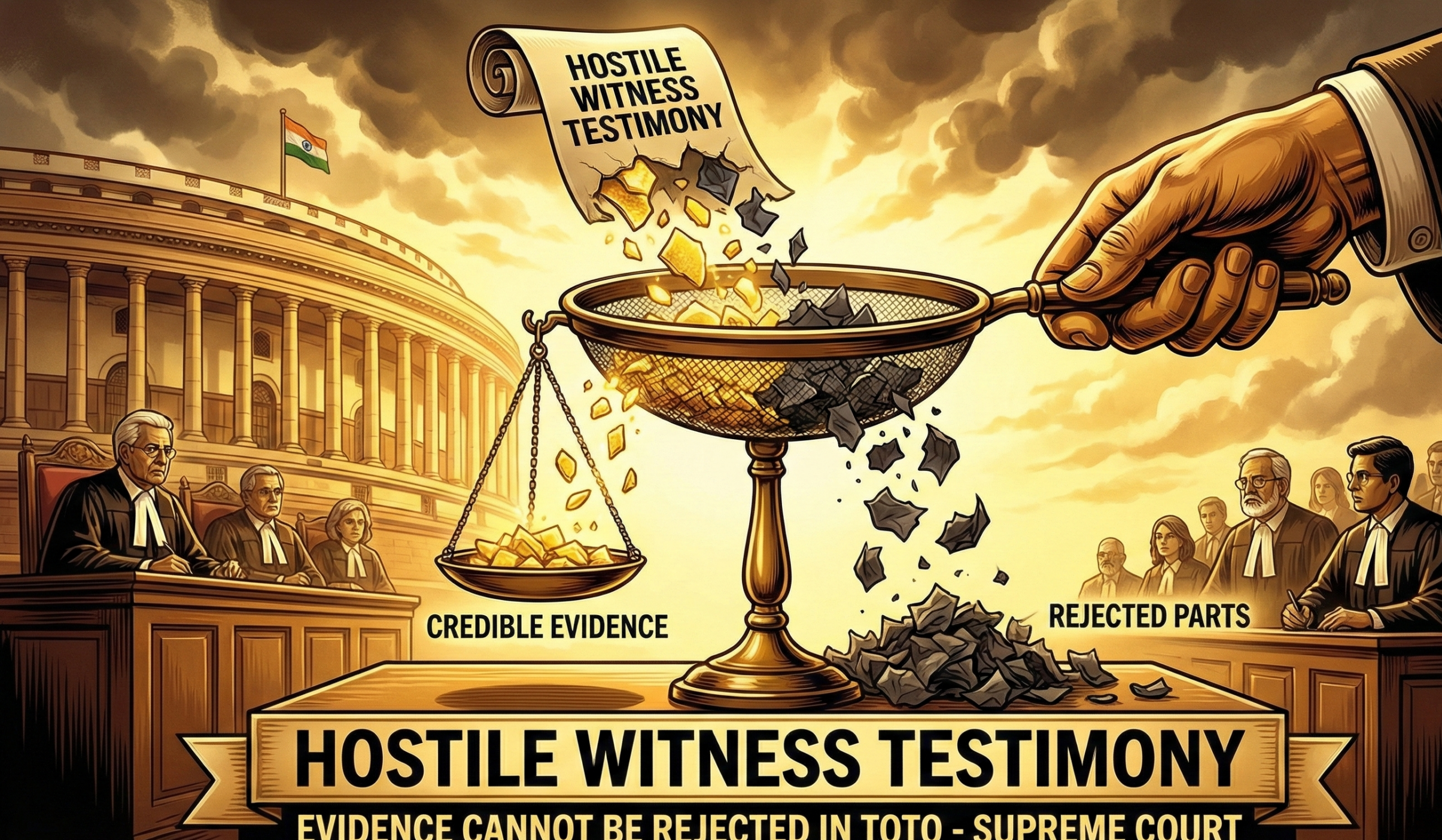
Hostile Witness Testimony: Evidence Cannot Be Rejected in Toto
Hostile testimony is not automatically worthless.Courts cannot reject such evidence in toto.Credible and corroborated portions remain admissible.Judges must separate truth from exaggeration
1 मिनट का पाठ →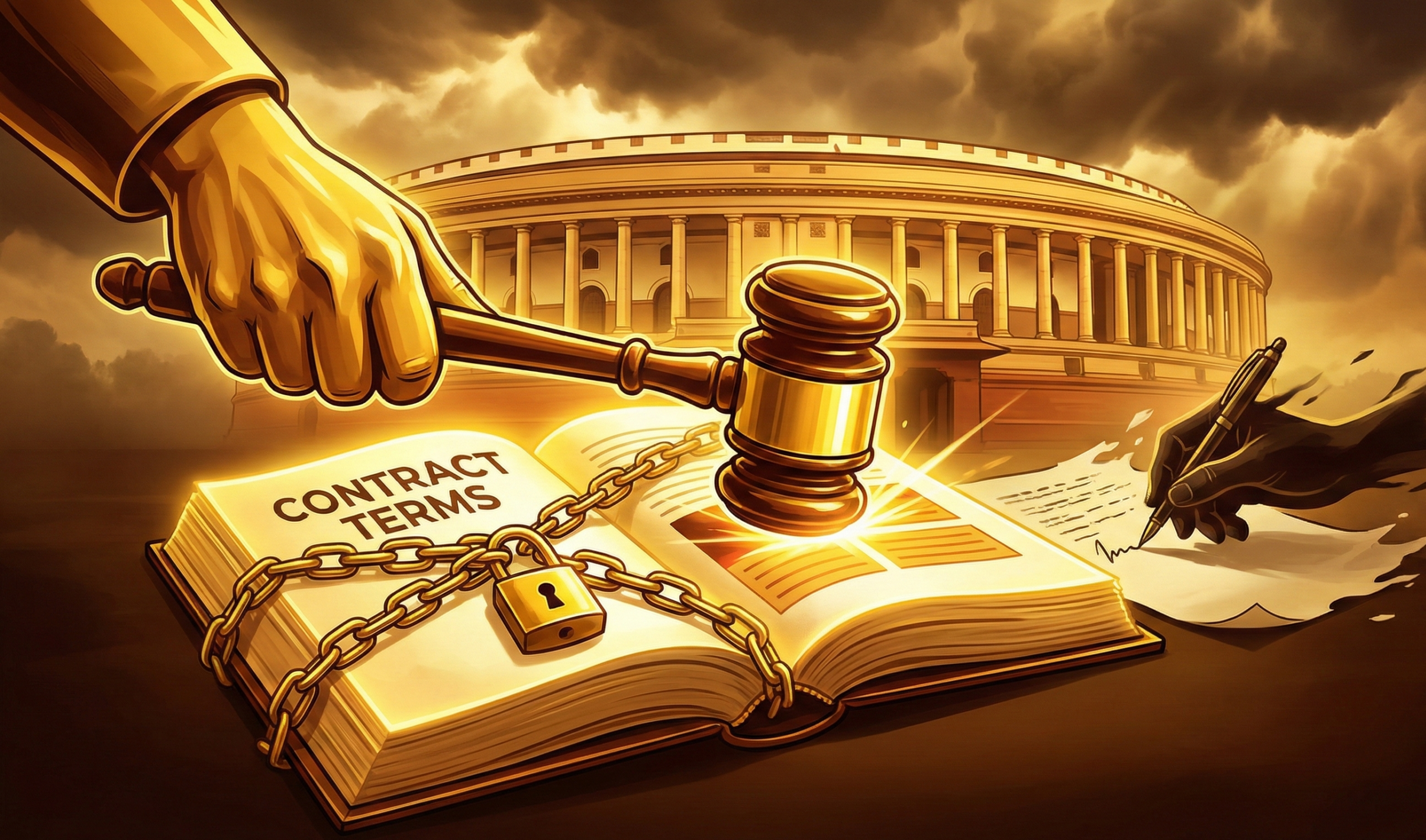
Arbitral Tribunal Must Decide in Accordance with Contract Terms
Arbitral tribunals must decide strictly as per contract terms.Equity cannot override express contractual provisions.Awards contrary to contract amount to jurisdictional error.Tribunals interpret agreements they cannot rewrite them.
1 मिनट का पाठ →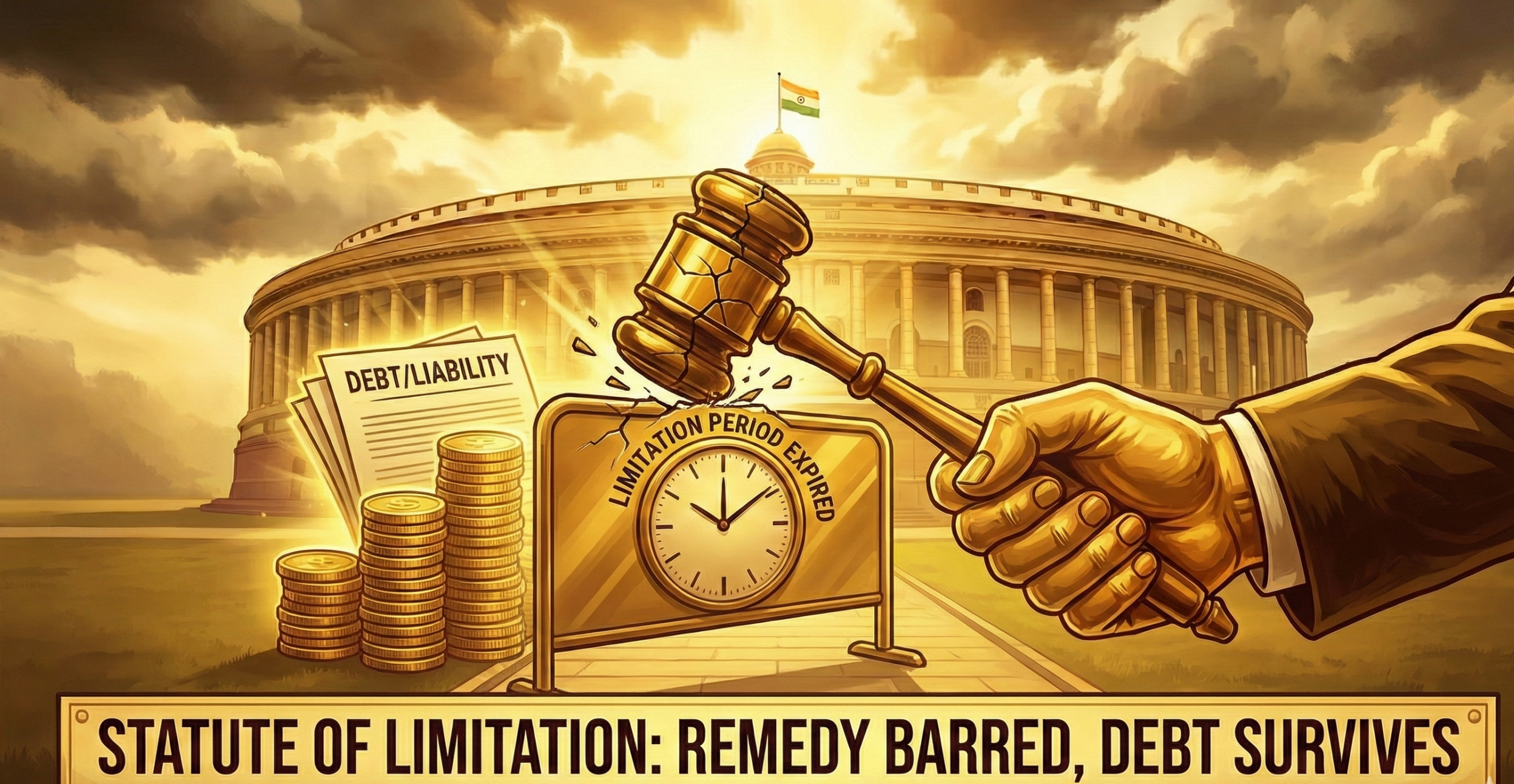
The Statute of Limitation Only Bars the Remedy and Does Not Extinguish the Debt
The Supreme Court clarifies that limitation bars the remedy, not the debt.A time-barred claim does not extinguish the underlying obligation.Expiry of limitation prevents suit it does not erase liability.Only express statutory extinguishment can destroy the right itself.
1 मिनट का पाठ →
Entertaining an Application Filed by a Stranger is Totally Unsustainable in Law
The Supreme Court reinforces strict locus standi in civil proceedings.Strangers to litigation cannot file applications in private disputes.Procedural discipline cannot be diluted on equitable grounds.Courts are not open forums for indirect or proxy intervention.
1 मिनट का पाठ →
Ensuring Efficiency: Supreme Court Upholds “Weeding Out Undesirable Elements” as Essential for Disciplined Forces
The Supreme Court upholds “weeding out” in disciplined forces.Higher standards apply to armed and uniformed services.Administrative removal is not always punitive dismissal. Institutional discipline outweighs individual continuation in service.
1 मिनट का पाठ →
Immediate Action, Reasonable Speed: Supreme Court Clarifies ‘Forthwith’ in Seizure Reporting Requirement
The Supreme Court clarifies that “forthwith” does not mean instantaneous action. Reasonable promptness satisfies statutory seizure reporting requirements. Minor, explained delays will not automatically vitiate prosecution. Procedural law must advance justice, not defeat it.
1 मिनट का पाठ →
Acceptance Is Binding: Supreme Court Rules on Urban Planning Dispute
Once planning conditions are accepted, they become legally binding.A party cannot accept benefits and later challenge obligations.The Supreme Court reinforces estoppel in urban planning disputes.Acceptance brings finality to municipal decision-making.
1 मिनट का पाठ →Liberty Not Lightly Curtailed
The Supreme Court has reaffirmed that personal liberty cannot be curtailed casually. Bail remains the rule, and jail the exception under Article 21. Pre trial detention cannot become a substitute for punishment. Courts must record strong, specific reasons before denying bail.
1 मिनट का पाठ →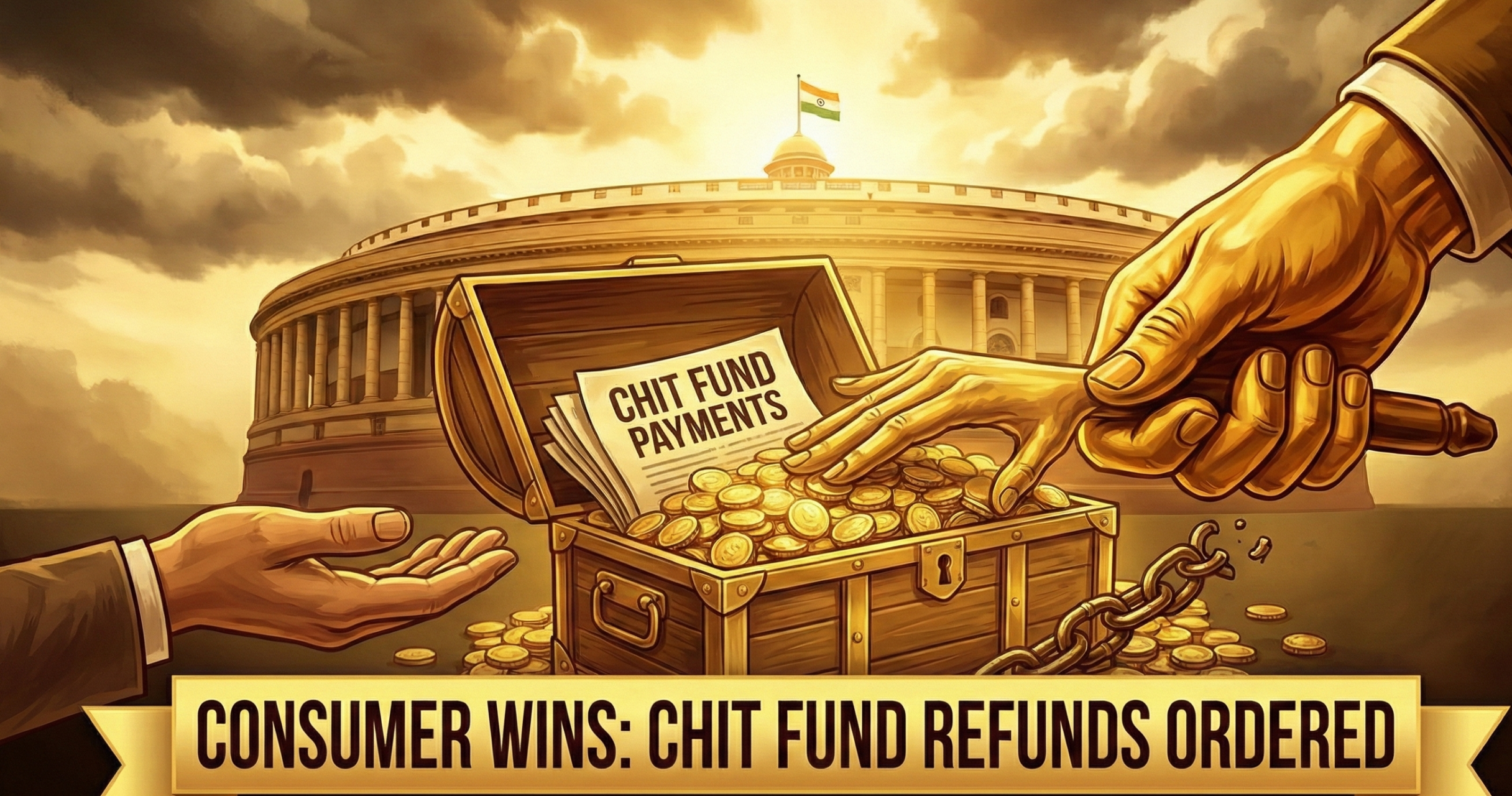
Consumer Wins in Supreme Court: Chit Fund Payments Must Be Refunded
The Supreme Court has ruled that chit fund companies must refund consumer payments if promised benefits are not delivered.The burden of proof lies on the service provider not the consumer. Contractual clauses cannot override statutory consumer protection.Failure to refund amounts constitutes deficiency in service under consumer law.
2 मिनट का पाठ →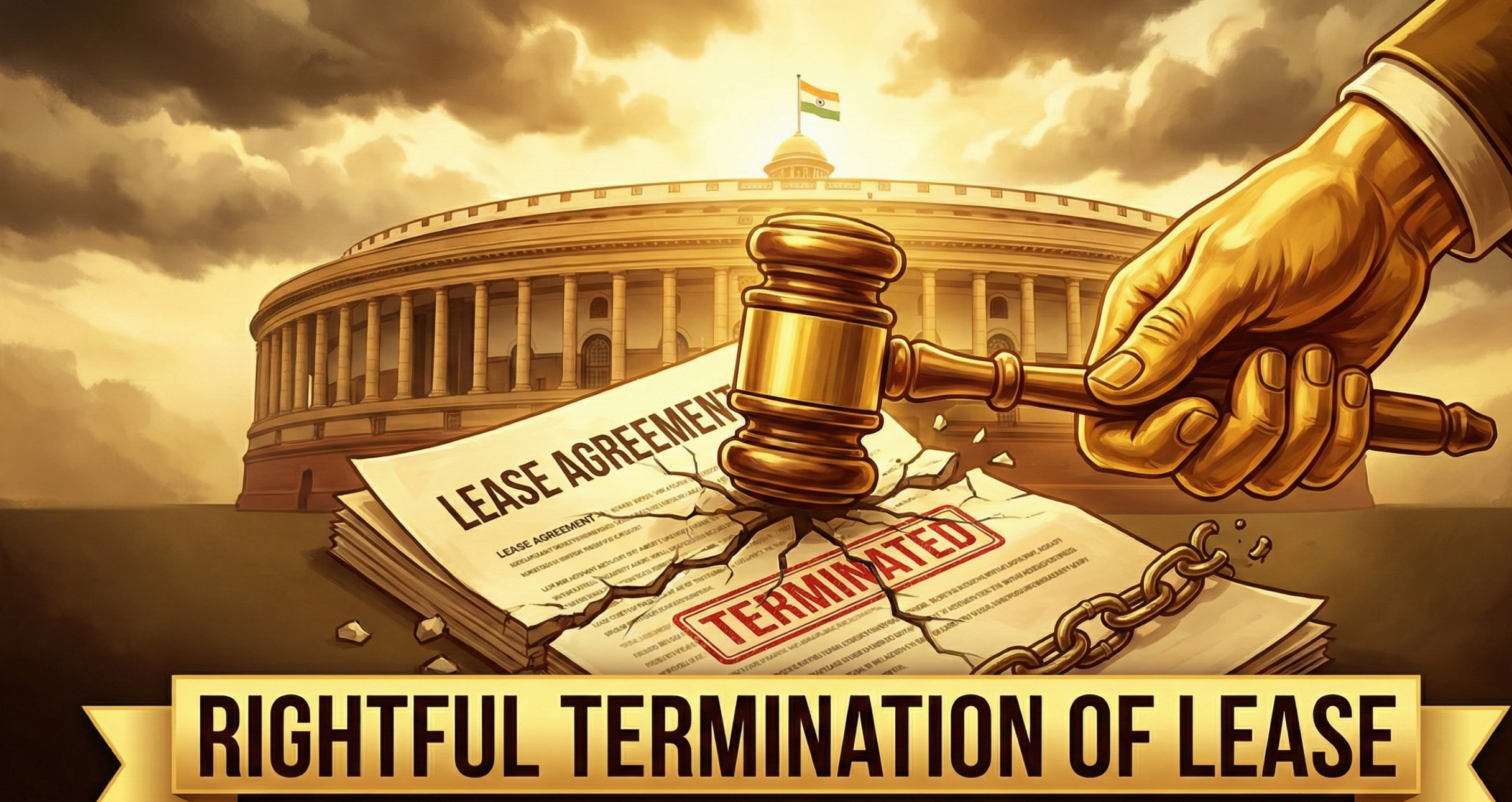
Rightful Termination of Lease Agreements
he Supreme Court has ruled that blatant violations of lease terms justify termination. Leasehold rights are conditional upon compliance with contractual obligations. Courts will not grant equitable relief to willful defaulters. The judgment strengthens certainty and discipline in lease law.
1 मिनट का पाठ →
The Public Examinations (Prevention of Unfair Means) Act, 2024
The Public Examinations (Prevention of Unfair Means) Act, 2024 criminalises organized and technology-driven exam fraud. It introduces stringent penalties for question paper leaks, impersonation, and digital manipulation. The law expands liability to intermediaries and service providers. The Act strengthens meritocracy and restores integrity in public examinations.
2 मिनट का पाठ →
Supreme Court Upholds Democratic Integrity
The Supreme Court granted interim bail during the election period, emphasizing the “vis viva” or living force of democracy. The Court balanced personal liberty with ongoing investigation. It clarified that the order does not reflect on guilt or innocence. The ruling reinforces constitutional protection of democratic participation.
1 मिनट का पाठ →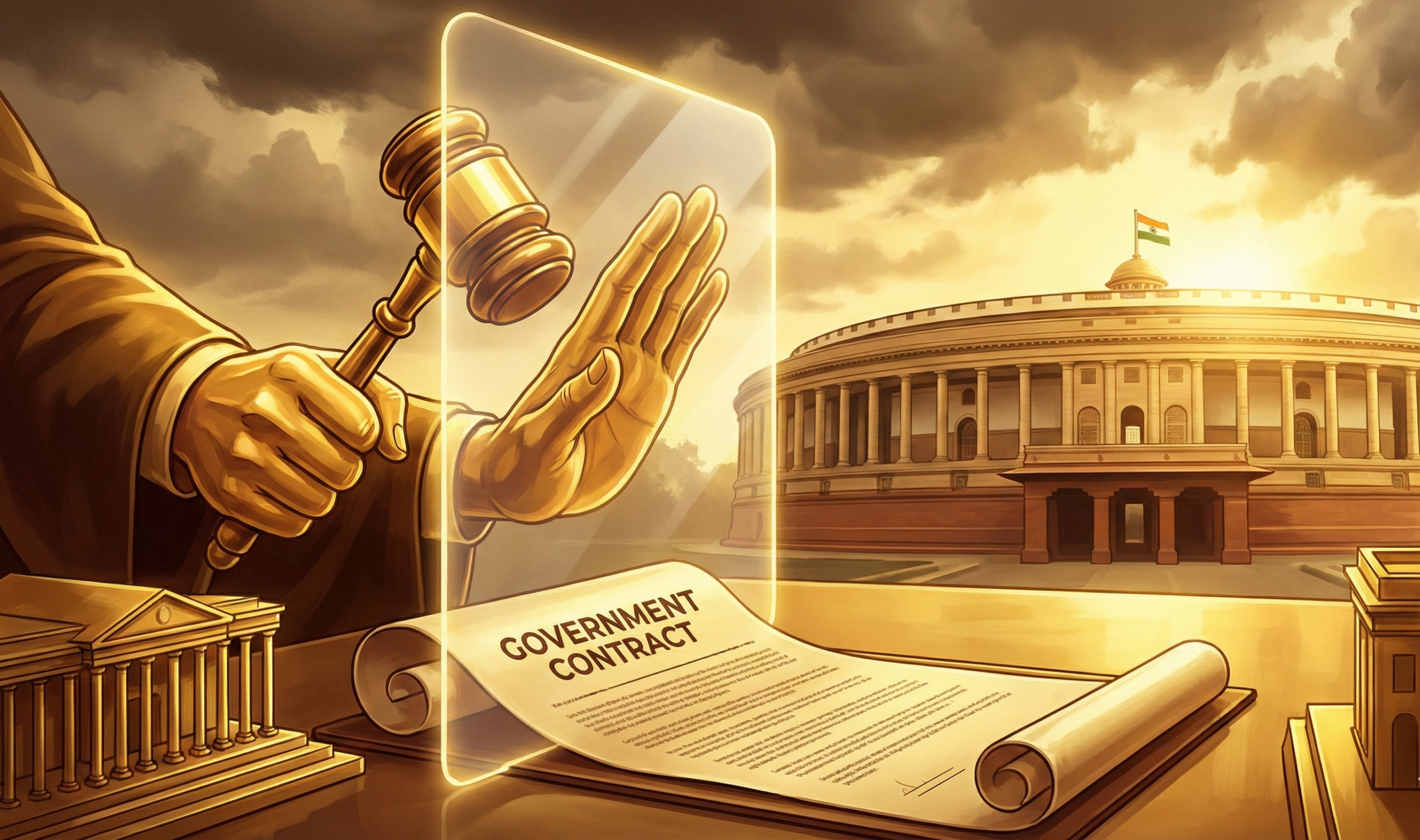
Supreme Court Clarifies Scope of Judicial Review in Government Contract Disputes
The Supreme Court has clarified that judicial review in government contract disputes is limited and restrained. Courts cannot re-evaluate commercial decisions of the State unless illegality or arbitrariness is established. Writ jurisdiction is not a substitute for civil remedies or arbitration. The ruling strengthens administrative autonomy while preserving constitutional safeguards
2 मिनट का पाठ →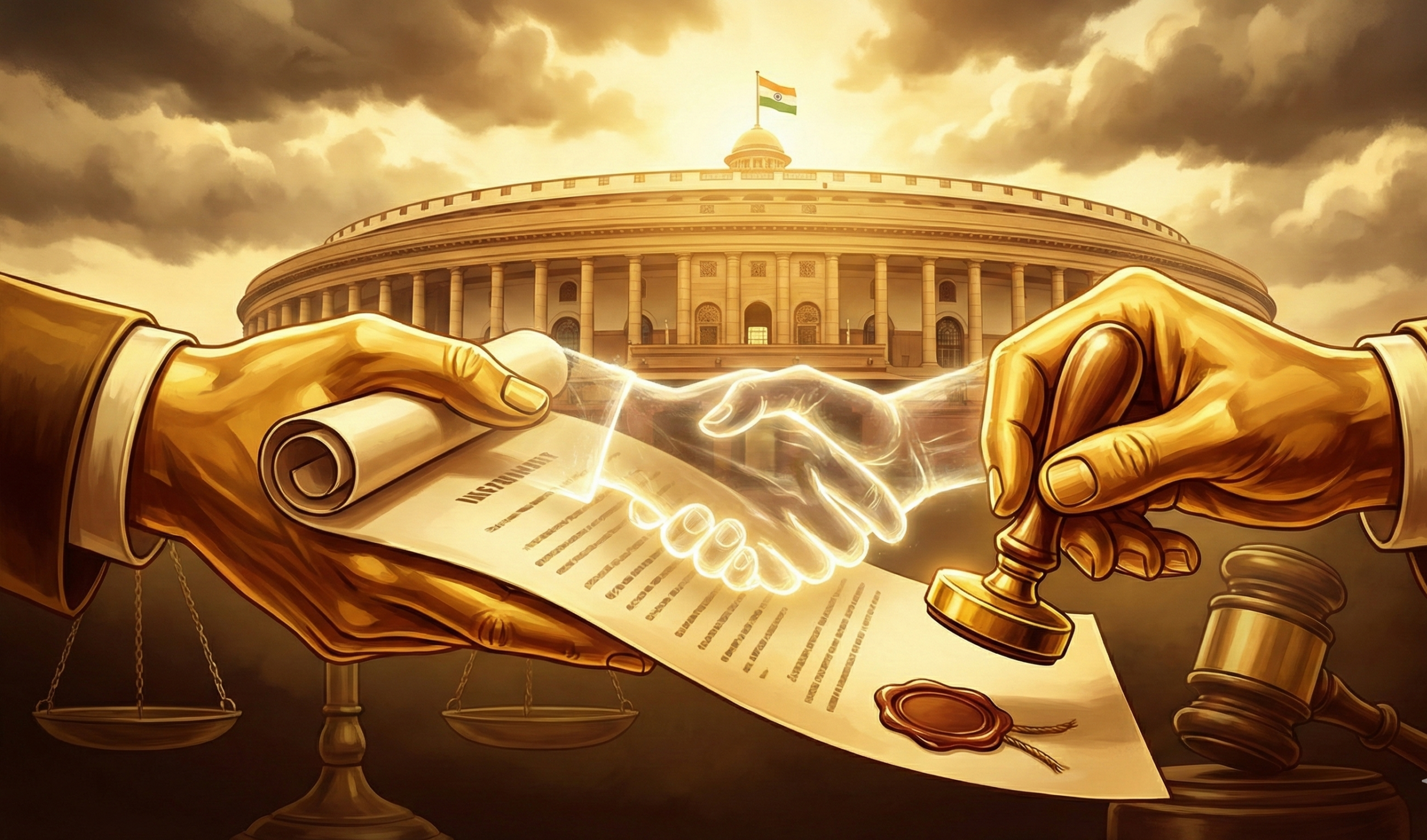
Acceptance of Insurance Proposals and Formation of Contract
The Supreme Court has ruled that an insurance contract is formed only upon clear and communicated acceptance by the insurer. Mere submission of a proposal or payment of premium does not create liability. Acceptance must be explicit and conveyed before risk commences. The judgment reinforces foundational principles of contract law in insurance matters.
2 मिनट का पाठ →
Supreme Court Upholds Minimum Qualifying Marks for Viva Voce in Judicial Selections
The Supreme Court has upheld minimum qualifying marks for viva voce in judicial recruitment. The Court ruled that interviews are essential to assess judicial temperament and suitability. Fixing cut-offs does not violate equality principles if applied uniformly. The judgment reinforces merit, transparency, and institutional integrity in judicial appointment
2 मिनट का पाठ →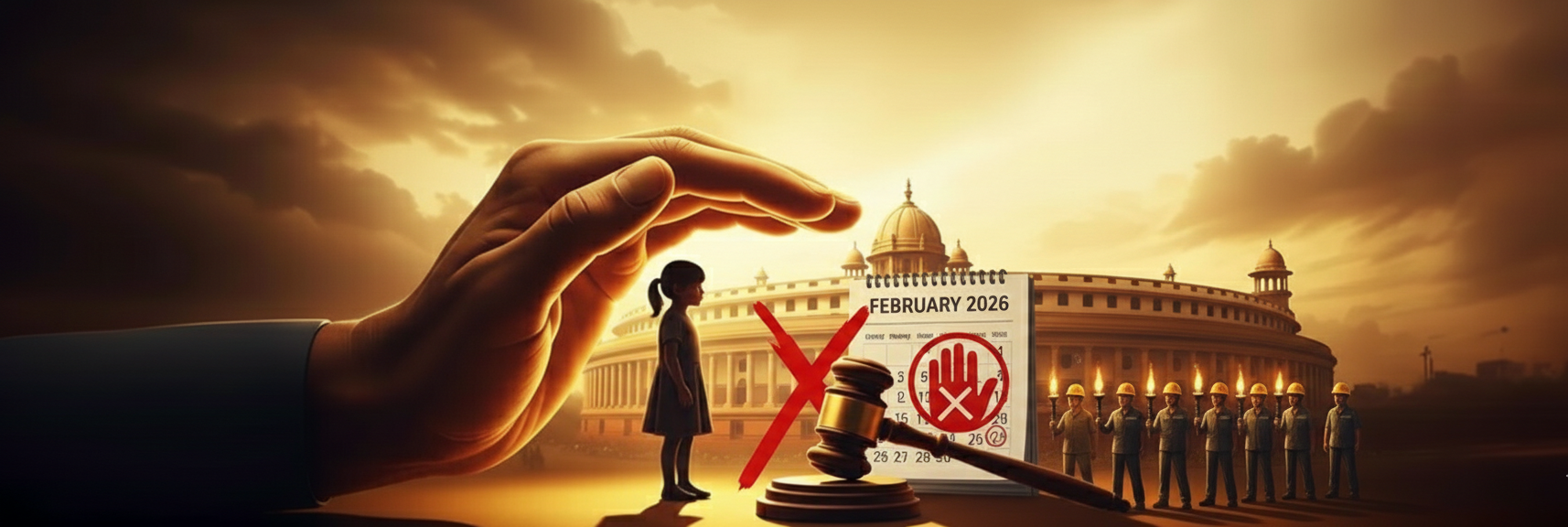
Non-Retroactivity of Rules in Ongoing Exams
The Supreme Court has ruled that recruitment or examination rules cannot be changed once the selection process has begun. Candidates acquire a legitimate expectation that the notified rules will govern the entire process. Any midstream alteration in eligibility or evaluation norms is arbitrary and violates constitutional guarantees of fairness. The judgment reinforces transparency and stability in public employment
2 मिनट का पाठ →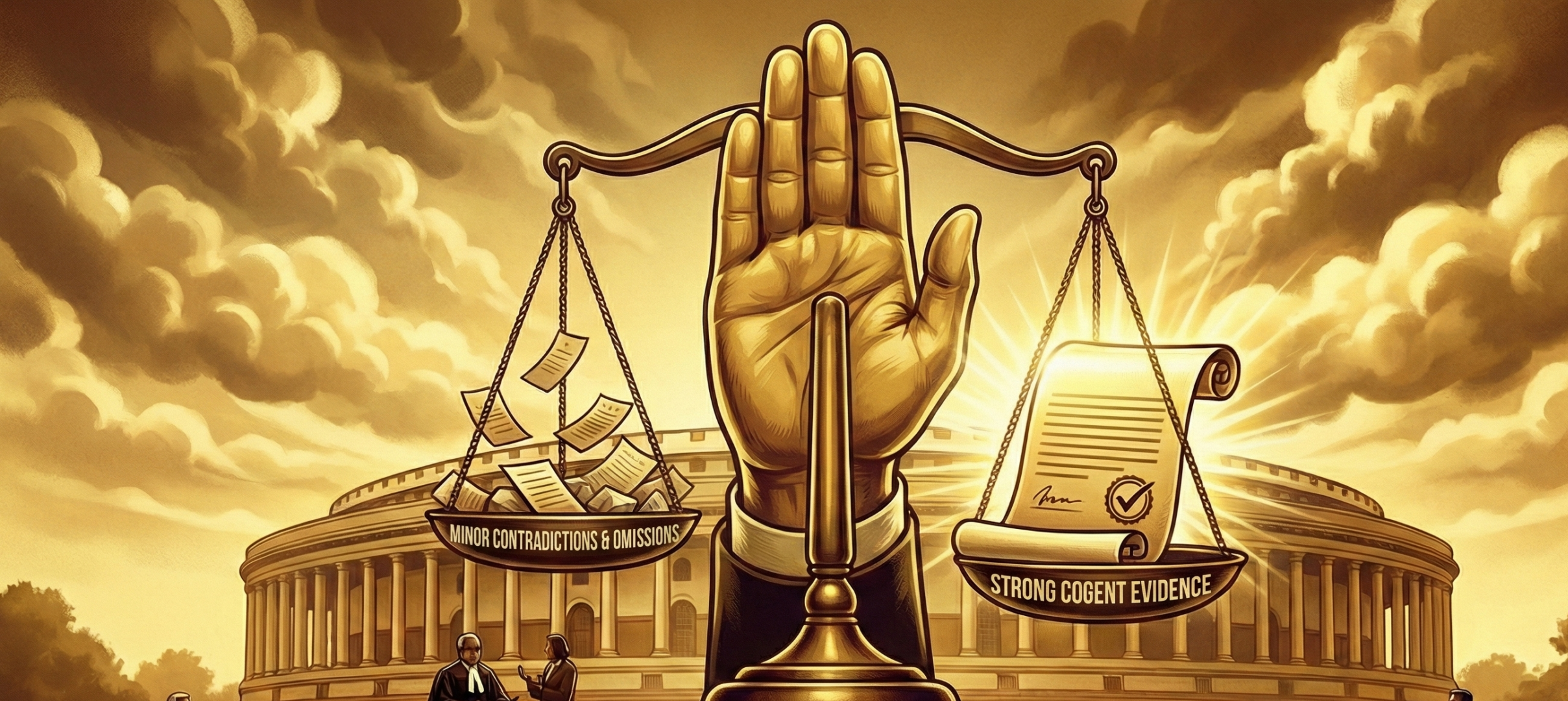
Every Contradiction or Omission Is Not — Court Ruling
The Supreme Court has ruled that minor contradictions or omissions in witness testimony are not enough to invoke Section 319 Cr.P.C. Courts can summon additional accused only when strong and cogent evidence emerges during trial. The judgment raises the evidentiary threshold and reinforces judicial restraint. It safeguards personal liberty while preventing mechanical use of extraordinary criminal powers.
2 मिनट का पाठ →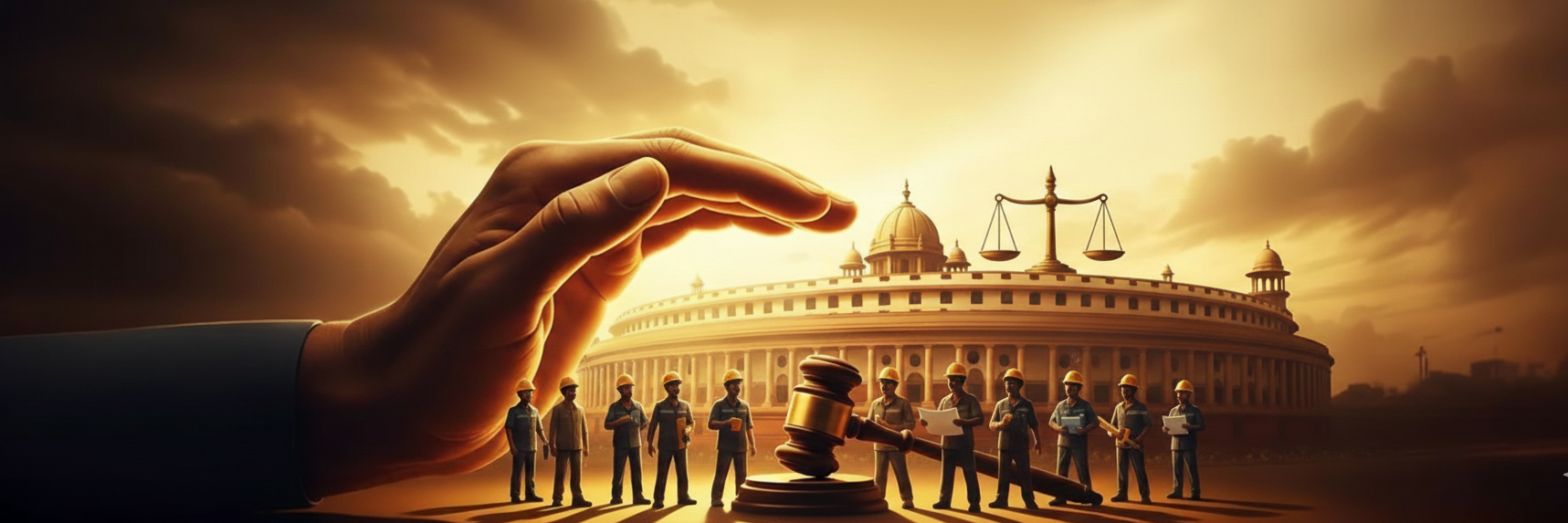
Supreme Court Upholds Appointment of Technical Assistants as Engineers in Tamil Nadu
The Supreme Court upheld Tamil Nadu’s decision to appoint Technical Assistants as Engineers, affirming the primacy of statutory service rules. The Court clarified that qualification equivalence is an executive determination and judicial review is limited. It rejected challenges under Articles 14 and 16, reinforcing administrative autonomy. The ruling sets an important precedent for public employment and service jurisprudence.
2 मिनट का पाठ →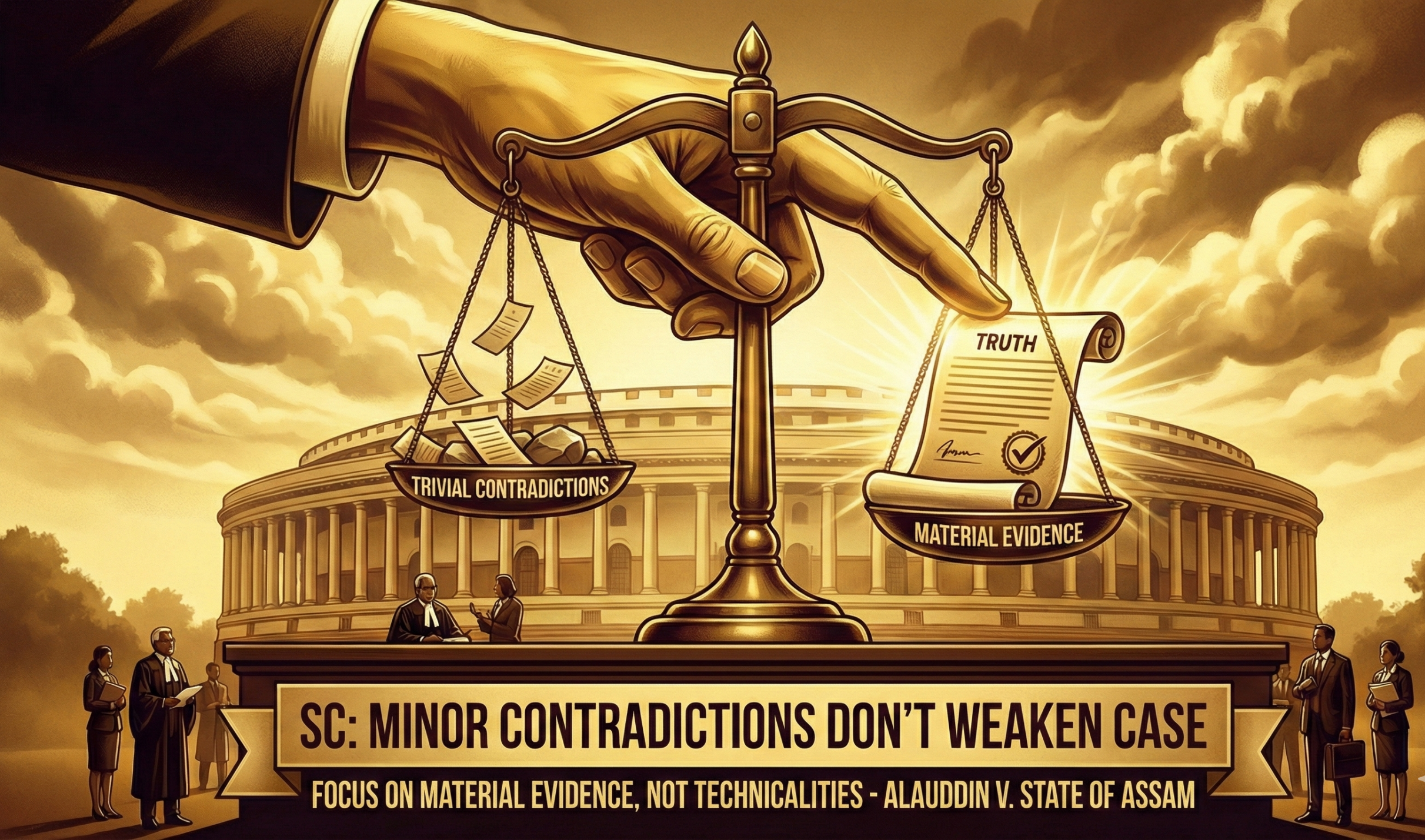
Analysing the Supreme Court’s Verdict in Alauddin & Ors. v. State of Assam & Anr
he Supreme Court in Alauddin & Ors. v. State of Assam & Anr. clarified that minor contradictions in witness testimony do not automatically weaken a criminal case. The Court distinguished between material inconsistencies and trivial discrepancies. It emphasized holistic evaluation of evidence rather than hyper-technical scrutiny. The ruling reinforces realistic evidentiary standards in criminal trials.
2 मिनट का पाठ →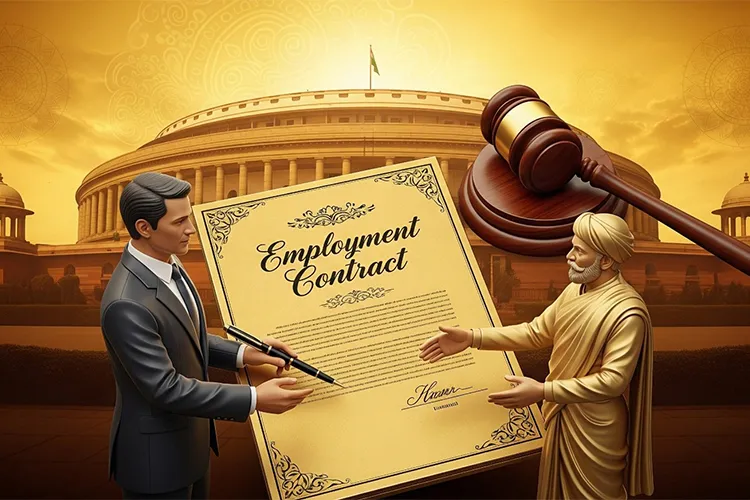
Legality and Enforcibilty of employment contracts in India
The Supreme Court of India recently reinforced the enforceability of exclusive jurisdiction clauses in employment contracts, even in the context of remote work. This ruling clarifies a critical aspect of dispute resolution for both employers and employees.
2 मिनट का पाठ →
Your Right to Say ‘Yes’ or ‘No’: The Law on Medical Decisions in India
Informed consent is a cornerstone of medical ethics and law in India, safeguarding patient autonomy and ensuring transparency in healthcare decisions. Courts consistently emphasize that valid consent requires comprehensive disclosure of information, patient understanding, and voluntariness, making it crucial in cases of medical negligence.
3 मिनट का पाठ →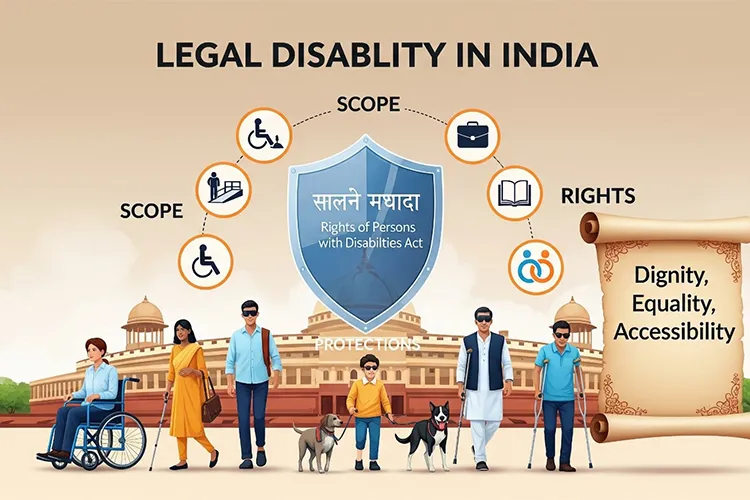
The Law on Disability in India: What You Need to Know
In India, ‘legal disability’ refers to conditions like minority and unsoundness of mind that impact a person’s legal capacity to contract or initiate legal action. While the law provides protections via the Limitation Act, the Rights of Persons with Disabilities (RPwD) Act, 2016, has significantly expanded the legal framework to promote autonomy and non-discrimination for individuals with disabilities.
4 मिनट का पाठ →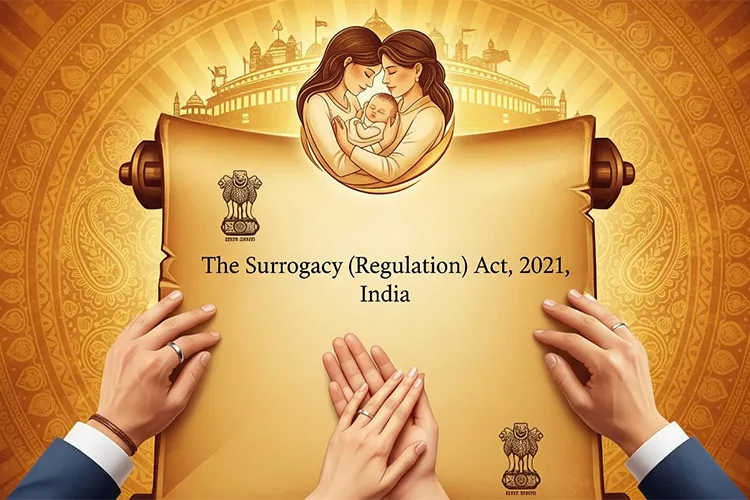
The 2021 Surrogacy Act: Navigating the Path to Parenthood
India’s Surrogacy (Regulation) Act, 2021, and its recent amendments continue to shape the landscape of assisted reproduction, primarily allowing altruistic surrogacy for eligible Indian heterosexual married couples. While recent changes permit donor gametes, ongoing legal challenges question the Act’s restrictive nature and its impact on diverse family structures.
3 मिनट का पाठ →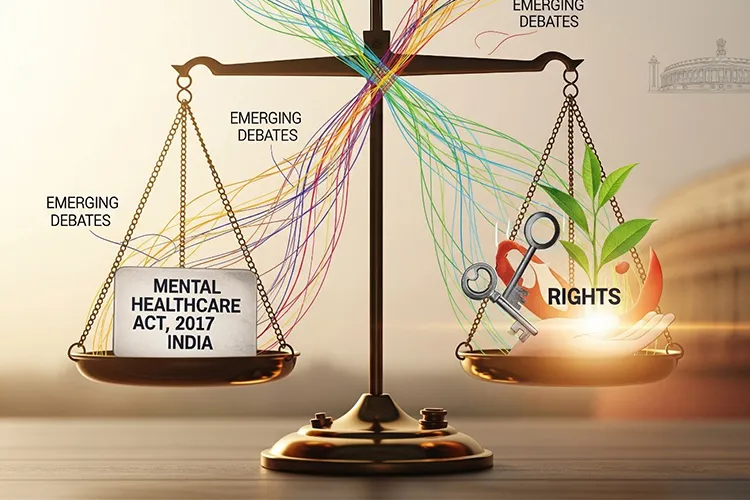
The 2017 Mental Healthcare Act: What It Means for You
India’s Mental Healthcare Act, 2017, marks a significant shift to a rights-based framework, decriminalizing suicide and mandating equal healthcare access. While a 2023 amendment addresses student mental health, ongoing challenges persist in full implementation and tackling the societal stigma around mental illness.
3 मिनट का पाठ →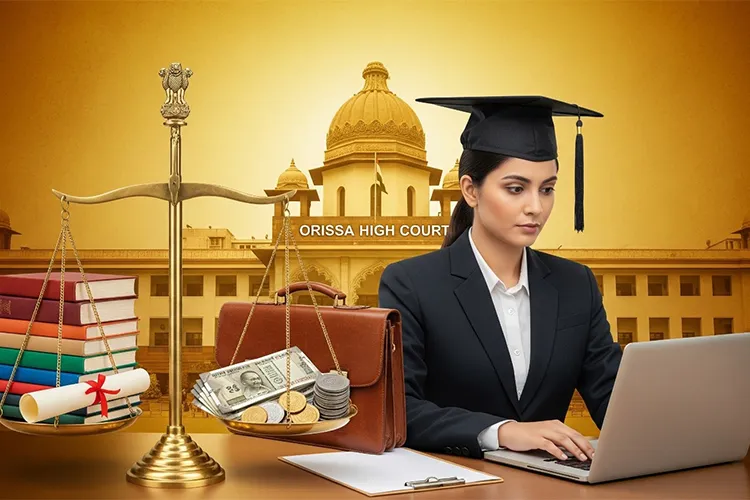
Orissa High Court: Educated Wives Cannot Demand Maintenance If They Choose Not to Work
In a significant ruling, the Orissa High Court has reiterated that educated and capable wives cannot simply choose to remain unemployed and solely rely on their husbands for maintenance. The judgment emphasizes that maintenance laws are meant to support those genuinely unable to support themselves, not to encourage idleness.
3 मिनट का पाठ →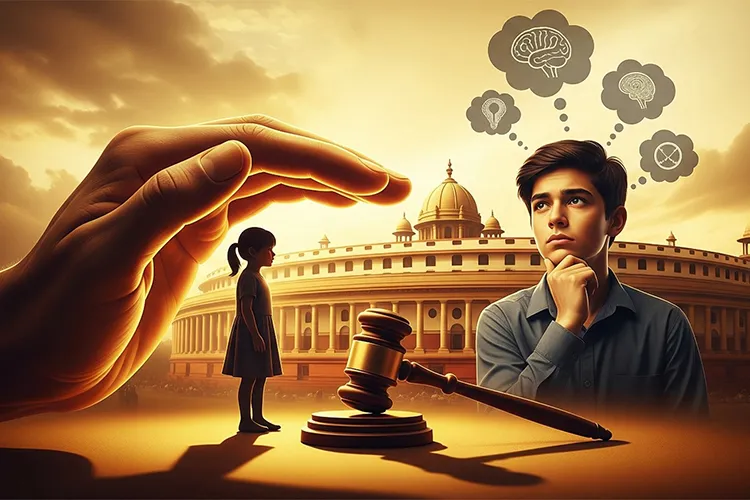
India’s Child Protection Law: A New Look at Teens and their Mental Health
Recent Supreme Court rulings and ongoing debates highlight the complexities of the Protection of Children from Sexual Offences (POCSO) Act, especially concerning adolescent consensual relationships and their mental health impact. While amendments have strengthened punishments, calls persist for a more nuanced approach that considers the evolving understanding of adolescent sexuality and the mental well-being of both victims and accused.
3 मिनट का पाठ →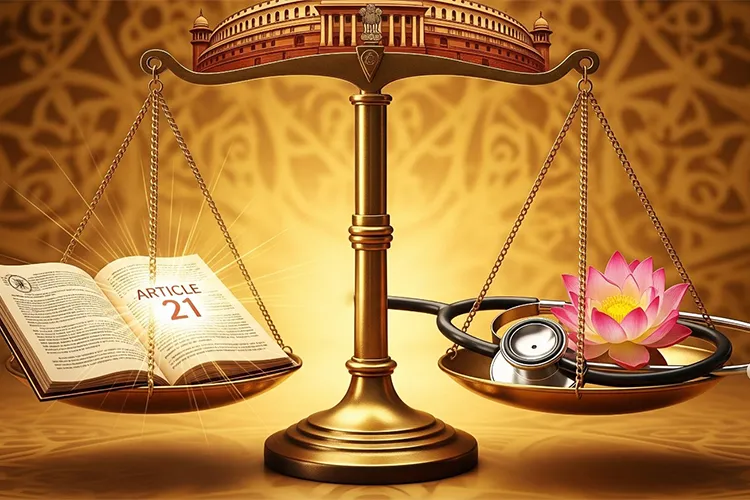
Health as a Right: India’s New Legal View
While not explicitly stated, the ‘Right to Health’ has been consistently interpreted by the Supreme Court of India as an integral part of the fundamental Right to Life under Article 21 of the Constitution. This judicial activism mandates the State’s obligation to ensure accessible, affordable, and quality healthcare for all citizens.
3 मिनट का पाठ →
A Peaceful End: The Law on End-of-Life Decisions in India
India continues to grapple with the complex legal and ethical questions surrounding assisted dying, particularly its intersection with the constitutional right to privacy and a dignified death. While passive euthanasia is permitted under strict guidelines, active euthanasia remains illegal, with ongoing debates on individual autonomy in end-of-life choices.
3 मिनट का पाठ →
The 3-Year Practice Rule for Judges: Good or Bad for Indian Courts?
The Supreme Court’s recent decision (All India Judges Association v. Union of India, May 20, 2025) to mandate a minimum of three years of legal practice for civil judge aspirants has ignited a nationwide debate, lauded by some for enhancing judicial quality and criticized by others for its potential exclusionary impact.
3 मिनट का पाठ →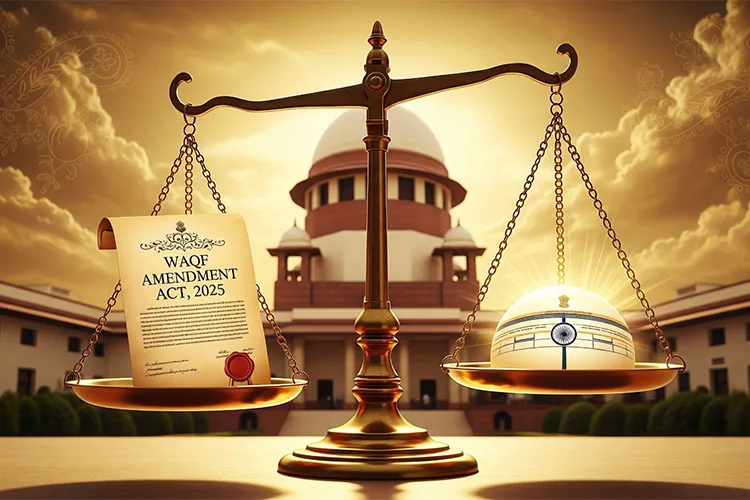
Supreme Court Backs Employment Bonds: What It Means for You
The Supreme Court’s recent ruling (Vijaya Bank & Anr. v. Prashant B. Narnaware, May 14, 2025) has affirmed the validity of employment bonds requiring liquidated damages for premature resignation, citing organizational costs and efficiency. While providing a significant boost to employers, its full applicability to private companies remains a key question.
3 मिनट का पाठ →
New Indian Criminal Laws: A Debate on Freedom and Government Control
India’s new criminal laws – Bharatiya Nyaya Sanhita (BNS), Bharatiya Nagarik Suraksha Sanhita (BNSS), and Bharatiya Sakshya Adhinayam (BSA) – replacing colonial-era statutes from July 1, 2024, aim to modernize justice. However, a closer look reveals significant concerns about increased police powers, broader definitions, and potential for confusion, raising questions about their true ‘decolonizing’ impact.
4 मिनट का पाठ →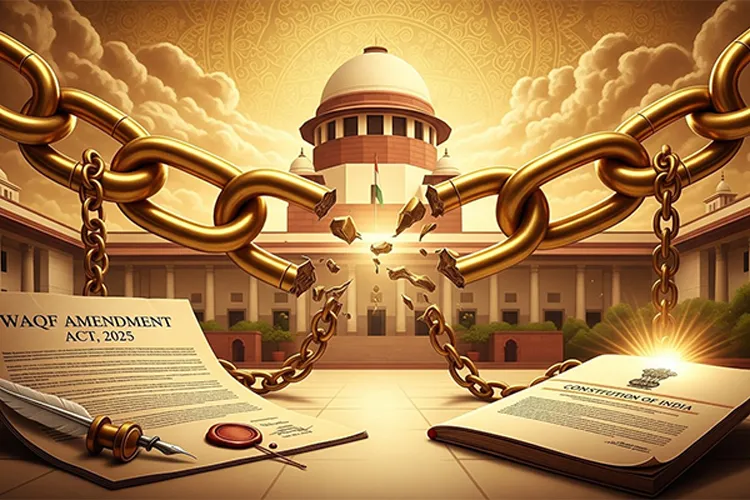
India’s New Waqf Regime: Is it Constitutional?
The Supreme Court is currently hearing a batch of petitions challenging the constitutional validity of the Waqf Amendment Act, 2025. This Act introduces significant changes to Waqf declarations and board compositions, raising concerns about religious autonomy and executive overreach.
3 मिनट का पाठ →
A Big Change for Arbitration in India: The Supreme Court’s Decision
The Supreme Court, in a recent 4:1 majority judgment (Gayatri Balasamy v ISG Novasoft Technologies Limited), has clarified that courts have only limited power to modify arbitral awards under Sections 34 and 37 of the Arbitration and Conciliation Act, 1996, aiming to balance judicial oversight with arbitration’s finality.
3 मिनट का पाठ →