Under 17
How State Laws Are Made
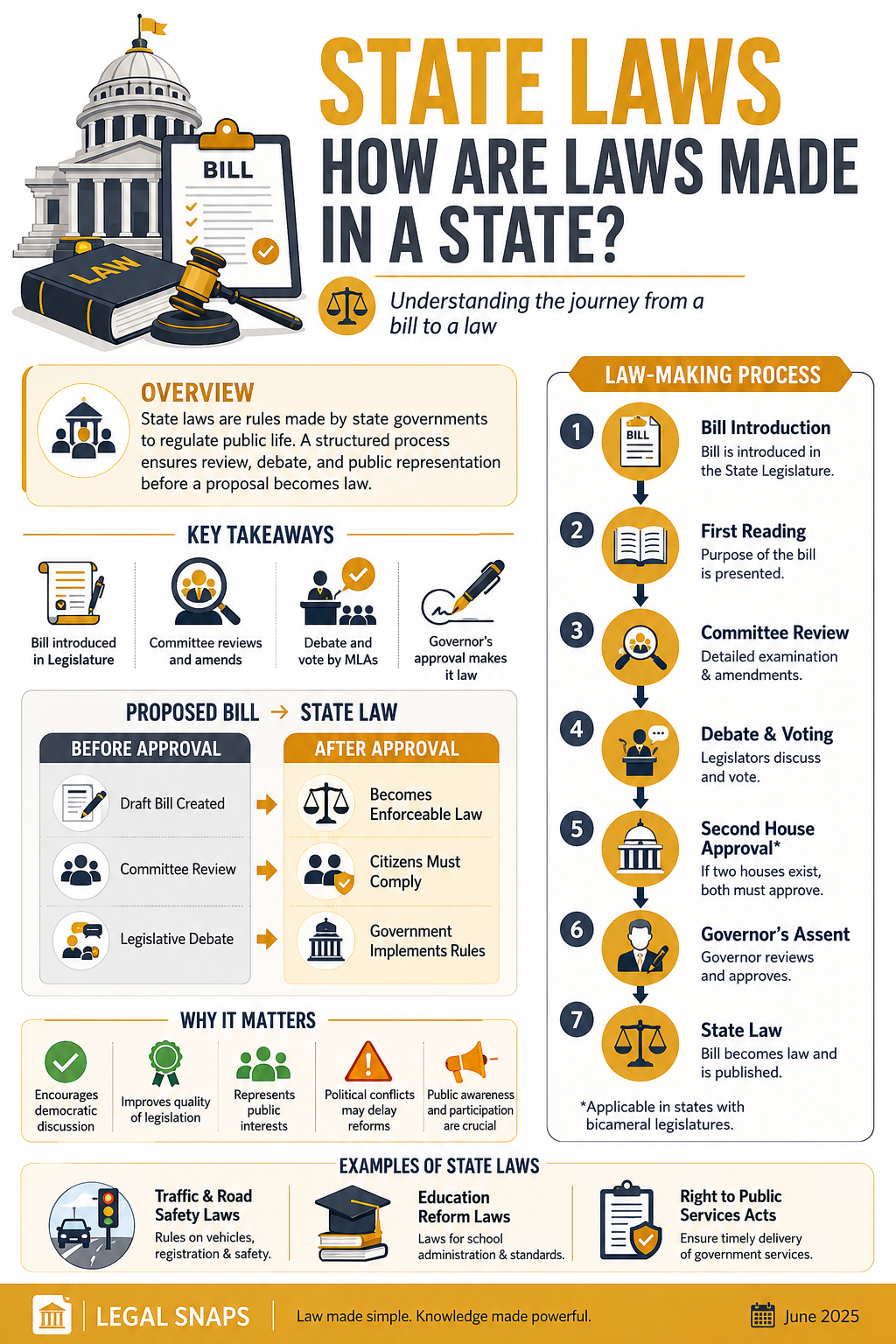
State laws are created through a structured legislative process involving discussion, review, voting, and approval. This process ensures accountability, representation, and effective governance at the state level.
Overview
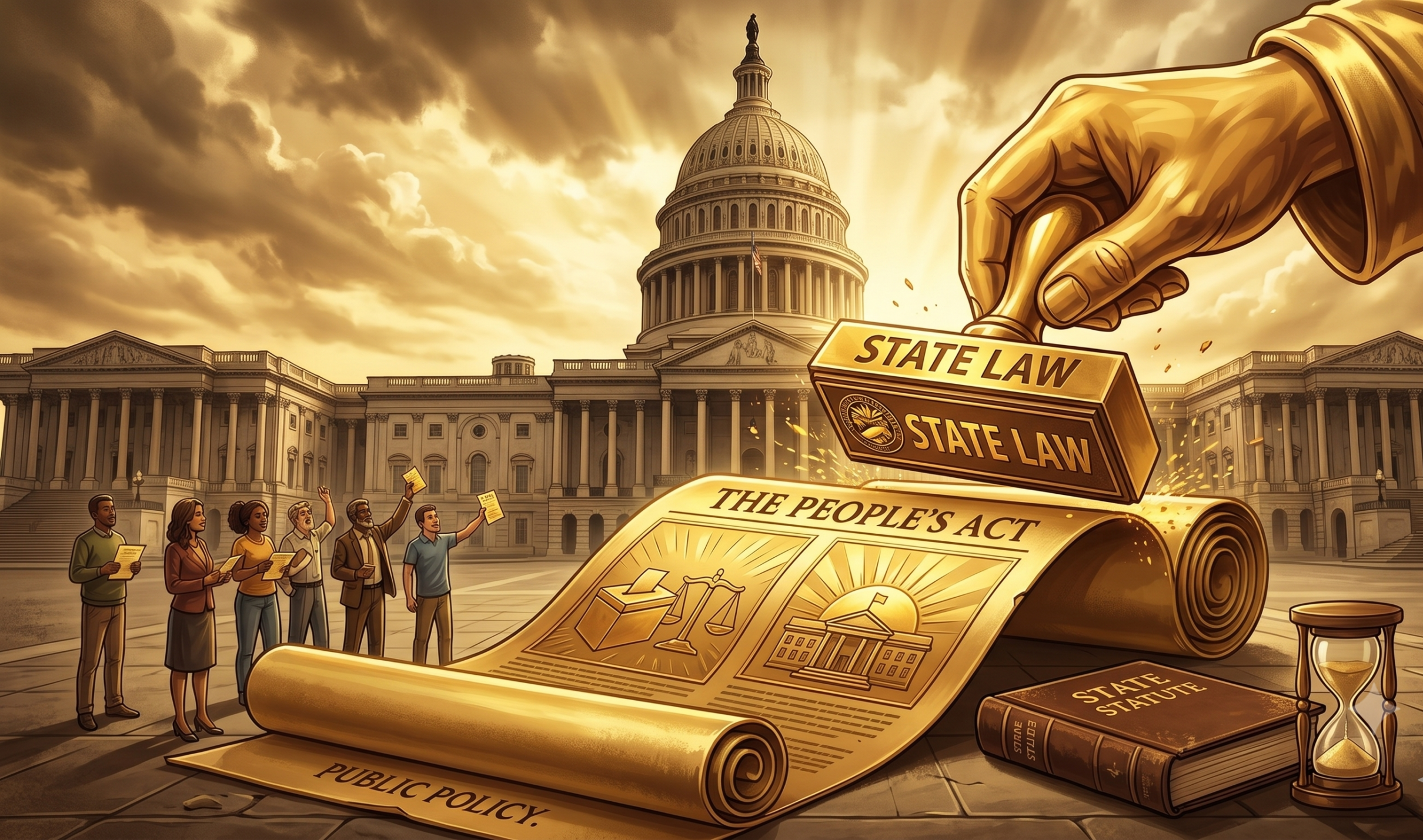
State laws are rules created by state governments to regulate matters within a particular state. These laws cover areas such as education, public health, transportation, property, and criminal justice.The law-making process ensures that different viewpoints are considered before a law is approved. State laws affect the daily lives of citizens and help maintain order and governance within the state.
Key Points
- Bill Introduction: A proposed law is introduced as a bill in the State Legislature
- First Reading: The bill is presented and its main purpose is explained
- Committee Review: Detailed examination and possible amendments
- Debate and Voting: Legislators discuss and vote on the bill
- Second House Approval: Required in bicameral states
- Governor’s Assent: Final approval that makes the bill a law
Legal Analysis
The state law-making process provides an opportunity for discussion, review, and representation before a law is passed. This helps improve the quality of legislation and prevents rushed decision-making.Committee review and legislative debates allow lawmakers to identify weaknesses, consider alternatives, and refine proposals before they become law.
However, the process can sometimes be slowed by political disagreements, lengthy debates, or lack of consensus. In certain cases, political interests may influence legislative priorities.Public awareness and citizen participation remain important safeguards to ensure that laws serve the broader public interest rather than narrow political objectives.
Examples
Right to Public Services Acts: Several states enacted laws ensuring timely delivery of government services.
State Education Reforms: States regularly pass laws governing school administration and educational standards.
Traffic and Road Safety Laws: States regulate vehicle registration, transport management, and road safety measures.
Conclusion
The process of making state laws is a vital part of democratic governance. It ensures that proposed laws are examined, debated, and approved through a transparent system.When functioning effectively, this process produces practical and balanced laws that benefit society. Active citizen participation and legislative accountability are essential to maintaining the quality and legitimacy of state laws.
“`